
In this guide
These are the questions I get asked more than any others, answered quickly and honestly. You’ll find:
- What to look for when buying queens and nucs, and why one hive is rarely enough
- How to sort a bad-tempered colony, and when to give up and start again
- How to keep your bees healthy through varroa, feeding and winter
- The kit and timing that actually matter through the season
- How our course and community can help you keep going
Whether you’re weighing up your first colony or troubleshooting a problem mid-season, work through the sections below or jump straight to the question on your mind.
Choosing and buying your bees
Which queen should I buy?
Buy for temperament first. If you’ve got a defensive colony, you don’t need more honey, you need calmer bees. Our F1 Buckfast queens are bred for exactly that. They’re calm, placid and prolific. Get the queen right and everything else gets easier, so it’s worth taking your time over Queens.
Are your queens imported?
Yes and no. We bring in a number of queens from our trusted overseas breeding partner, and we also raise thousands of queens right here in the UK. Every UK-raised queen carries a UK flag on her listing, so you always know exactly what you’re buying. Have a look at UK Queens if you’d rather keep it local.
What if my queen arrives dead in the post?
We replace her free of charge, no arguments. Live arrival is guaranteed and we cover the full cost. We also send queens by tracked Royal Mail delivery, so she reaches you fast.
What exactly is a nuc?
A nuc, or nucleus colony, is a starter hive with everything you need already in place. You get bees, brood, food and a laying queen, all established on the frames. In my opinion it’s the easiest, safest way to start beekeeping. You can see what’s included on Starter Colonies page.
Can I start with just one hive?
Yes, and plenty of people do. But two is better. If one colony struggles, you can steal a frame of brood from the strong one to prop up the weak one. One hive is a pet. Two is an apiary.
Queens and requeening
How fast will a new queen calm an angry hive?
Not instantly. You have to wait for the old, angry workers to die off and the new queen’s calm brood to emerge. Give it four to six weeks before you see the first signs, but honestly you’re often waiting until the following season. Be patient. If temperament is your problem, our guide on How to Requeen a Beehive walks you through it.
Should I try to requeen a laying worker colony?
No. Shake them out. Trying to rescue a laying worker colony is a huge waste of time and resources. Shake the bees out, let them beg their way into another hive, and start fresh. It’s far easier.
Keeping your colony healthy
When should I treat for varroa?
Proactively. Don’t wait until you can see the damage the mites are doing, because by then you’re already in trouble. Treat in late summer to protect your winter bees, then hit the mites again with an oxalic acid based product in winter when the colony is broodless. That two-pronged approach keeps mite levels down, and low mites means healthy bees.
Why did my bees die over winter?
Most winter losses come down to starvation, weak numbers going into winter, or, for the majority of UK colonies, varroa and the viruses it spreads. Try not to blame the cold. Healthy, well-fed, mite-free bees handle a British winter just fine.
Can I feed supermarket honey back to my bees?
Never. Shop-bought honey can build up something called HMF, which is toxic to bees, and it carries a real disease risk, including foul brood spores. There’s no excuse for it. Sugar syrup or fondant is cheaper, safer and far better for your bees.
What’s the secret to getting more honey?
Healthy bees. Focus on bee health, varroa control and giving the colony enough space. Don’t chase the honey. Build strong, healthy colonies and the honey tends to take care of itself.
Working your hives through the season
What’s the biggest kit mistake beginners make?
Big, thick leather gloves you can’t wash. Every time. You crush bees, you can’t feel what you’re doing, and you spread disease around your apiary. Get yourself some disposable nitrile gloves instead. You’ll feel what you’re doing, and you can bin them to keep your hygiene tight.
How often should I open the hive?
Every seven days through the swarming season. In the UK that’s roughly mid-April to the back end of July or early August. Every week in that window, get in and inspect the brood nest. Outside that period you can ease off a little, but you should still be checking on your bees all year round to make sure they’ve got everything they need.
Why did my bees swarm?
Because they’re bees, and swarming is how they reproduce. We can’t breed it out of them completely. Usually, though, it’s because the beekeeper missed the signs. Maybe you missed the queen cells, the colony ran out of space, or the queen was simply getting old. Stay ahead of your bees and learn to read the warning signs, because they’ll always tell you what they’re about to do.
When should I harvest my honey?
Wait until the frames are at least 80% capped with wax. Uncapped nectar holds too much water, so if you jar it, it’ll ferment and can ruin your whole harvest. Capped honey is ready honey.
What’s the number one rule of beekeeping?
Stay ahead of the bees. Anticipate their need for space, anticipate swarming, and anticipate starvation. Be proactive, not reactive. Do that and you’ll get the very best out of your bees.
Want a complete, structured course?
These guides cover the essentials, but if you want to learn beekeeping step by step with video lessons and ongoing support, our course is built for exactly that.
- From complete beginner to confident beekeeper in a structured, logical order
- Video lessons built from decades of hands-on experience
- Learn at your own pace with lifetime access
- Pays for itself with just one extra super of honey from a single hive
Learning and support
Which course should I get, 14-Day Beekeeper Basics or the full course?
If you want the whole system, all 300-plus 4K videos, the full blueprint and community access, go straight for the flagship Courses. If you just want the essentials so you can understand what’s going on in the hive, 14-Day Beekeeper Basics is for you.
Do I get support with the course?
Yes. The 14-Day Beekeeper comes with 12 months’ access to HiveQ Community, our private online beekeeping community. You’re not doing this alone. HiveQ is one of my favourite places to be, and you’ll see me in there all the time. I wouldn’t be without it.
What if I start with Basics and want to upgrade later?
Simple. Already completed 14DBK Basics? Upgrade to the full 14-Day Beekeeper and only pay the difference. We credit the £67 you paid for Basics straight against the full course, so you don’t lose a penny.
Can I join HiveQ without buying the course?
Yes. You can join HiveQ on a monthly or yearly subscription, with no course required. It’s a brilliant community where everyone helps each other out. It’s probably the thing I’m most proud of across everything we do.
Where to go next
Not sure where to start? For most new beekeepers, a calm, healthy nuc is the simplest first step, so take a look at Starter Colonies. If you’d rather learn the ropes first, the 14-Day Beekeeper and HiveQ are here to guide you every step of the way.
More starting guides
-
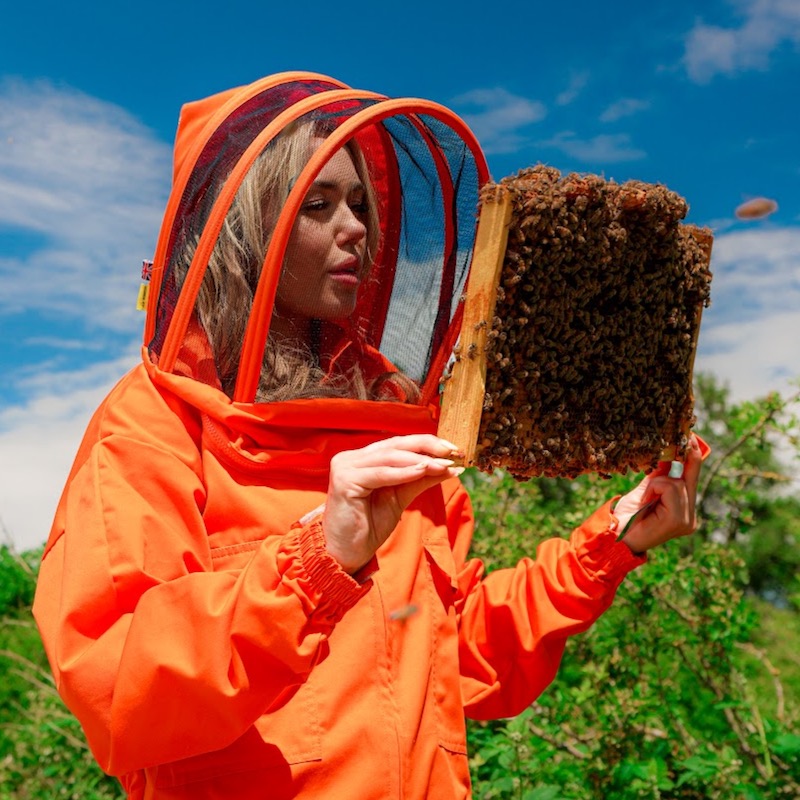
Getting started in Beekeeping
Thinking about keeping bees? This guide covers everything you need to know before your first hive arrives, from choosing equipment to buying your first colony. -
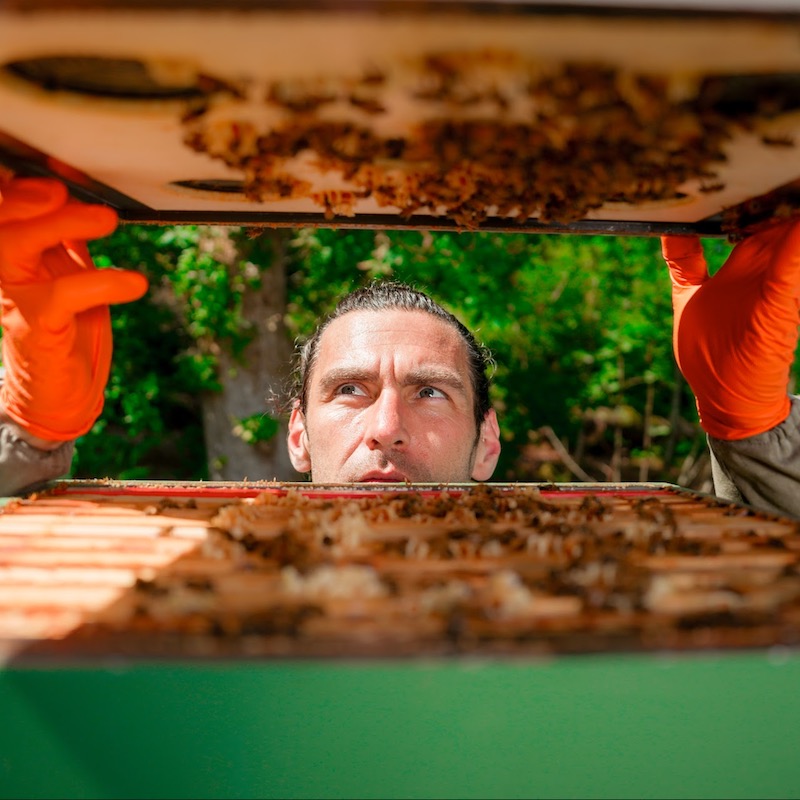
When to Do Your First Inspection
You’ve overwintered your bees. The weather’s warming up. You’re itching to get inside that hive. But when should you actually do your first inspection of the year, and what should you be checking for?