In this guide:
- What makes a queen genuinely British
- Why UK reared and mated queens appeal to so many beekeepers
- Why the British season is short, and what that means when you need a queen
- How to judge a queen supplier before you spend a penny
- Whether standard or premium is the right pick for your hives
What makes a queen British
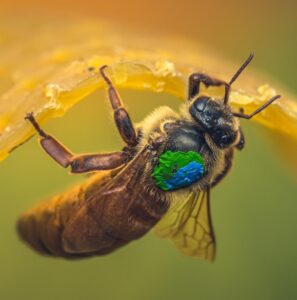
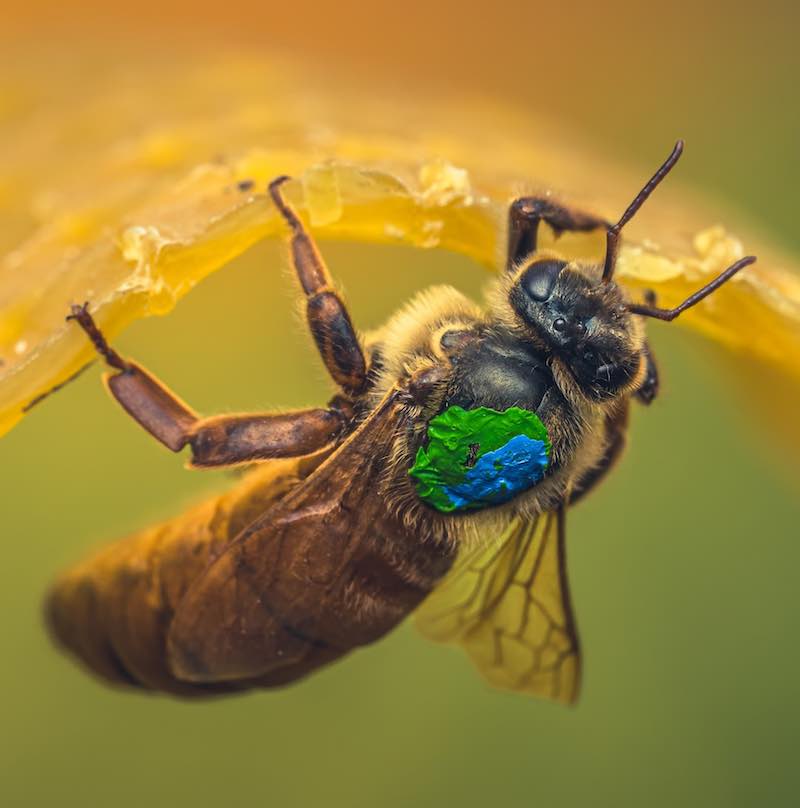
A British queen is grafted, reared and mated here in the UK. Her mother colony sits in a British apiary, the drones she mates with are flying in British air, and the beekeeper who produced her has watched her from a day old larva through to a laying queen.
That sounds obvious, but the label gets used loosely. Some queens are reared abroad and simply posted from a UK address. Others are reared here from imported breeder stock, which is genuinely British production. Neither is dishonest, but they are different things, and it’s worth asking which one you’re buying.
Our UK Queens come from proven Buckfast breeding programmes we’ve worked with for years, reared and mated in the UK.
What beekeepers say
Learn why beekeepers choose us.Very happy
Queens arrived on the 5th and were put in their sealed cages into the Queenless nucs next day… Today is 19th September inspected all 3 nucs and queens present and 5-6 day old larvae seen. So far very happy with the BMH mated queens.
Very helpful as always
I had a new queen that I thought was mated but 5 weeks on nothing so I dispatched her last week. I had already ordered a new queen for another hive and managed to add this new queen onto my order. Laurence was very helpful as always. This will be my 4th queen from BMH other queens are great and very calm daughters
Thriving in Scotland
Black Mountain’s Buckfast mated queens thrive! It’s rare to find queens that are strong enough to travel to North-West Scotland and thrive! But Black Mountain queens are strong, gentle and have produced wonderful cleaners!
Why beekeepers choose British queens
There are four reasons that come up again and again when customers ring us about British mated queens.
- Traceability. You can find out which lines she came from and who reared her. If something goes wrong, there’s a person at the end of the phone who knows the answer.
- Acclimatised bees. She was mated in British weather, so her workers are already dealing with the conditions your hives sit in.
- Less time in transit. A shorter journey means less stress on the queen and her attendants before she reaches you.
- Biosecurity. Government treats every consignment of imported bees as a risk to bee health here, which is why imports need health certification and checks at the border. Buying British takes that step out of the equation entirely.
There’s a fifth reason that matters to a lot of people. Buying a UK reared queen puts money back into British queen rearing, and the more people who do it, the more good British stock there is to go round.
The honest bit about the British season
The UK climate only gives us reliable mating conditions for two or three months a year, so our own British queens are available from roughly the end of May through to August.
If your colony loses its queen in April, waiting until June isn’t an option. That’s why we also sell early season queens reared where the weather allows, bred specifically for UK conditions. They fill a real gap, and thousands of beekeepers use them every spring with great results.
So the choice isn’t about one being good and one being bad. It’s about timing. If you can wait for the British season, a UK mated queen is a lovely thing to have. If you can’t, an early season queen keeps your colony alive, and that matters far more than where she was mated.
Why your supplier matters more than the label
The word “British” on a listing tells you where a queen was mated. It tells you nothing about whether she’s any good. We’ve seen British reared queens that were badly mated, poorly selected and stroppy as anything, and we’ve seen imported queens heading up beautiful colonies.
What actually decides the quality of a queen is the work behind her. Ask a supplier these questions before you order.
- Which lines are you breeding from, and what are you selecting for? If temperament isn’t near the top of the answer, think carefully. Calmness is our number one selection criterion, because aggressive bees put people off beekeeping altogether.
- Is she a mated queen or a virgin? A mated queen of known origin gives you certainty. A virgin, a queen cell or a locally raised replacement will mate with whatever drones are flying near you, and if those drones carry genes for bad temperament, your problem comes straight back.
- How controlled is the mating? No mating apiary in the UK is perfect, and ours aren’t island mated. But distance, landscape and drone saturation make a real difference to what you end up with.
- What health accreditation do you hold? We’re DASH accredited and members of the Bee Farmers Association, and we’re happy to talk about it.
- What happens if she arrives dead? Queens travel well, but the post is the post. We send every queen by Royal Mail Special Delivery for £9.99 and replace any dead on arrival queen free of charge, no arguments.
- What support do you get afterwards? Introduction is where most queens are lost, not delivery. We help before, during and after, and there are no silly questions.
That last point is the one people underestimate. A brilliant queen badly introduced is a dead queen. If you’re new to it, read our guide to How to Requeen a Beehive before she arrives, not after.
Standard or premium
Every one of our ranges comes in a standard and a premium version, and both are queens we’re proud to put our name to.
Standard means proven and reliable. These are calm, well selected mated queens, tested by thousands of beekeepers in ordinary back garden apiaries. Most people are delighted with them.
Premium buys you three things we can control. More exclusive maternal genetics, grafted from breeder queens that can cost upwards of £1,000 each. More exclusive drone lines flooding the mating sites. And better isolated mating apiaries, which gives us tighter control over who she actually mates with.
If you want the full breakdown, our guide to Standard vs Premium Queens walks through the genetics and the mating conditions in detail.
What changes after you requeen
If you’re buying a British queen to sort out a difficult colony, it helps to know the timeline. Nothing happens overnight, because you’re waiting for the old queen’s brood to be replaced by the new queen’s workers.
You’ll notice the first change at three to four weeks. By six to eight weeks the difference in temperament is usually obvious. By ten to twelve weeks the colony has fully turned over to her genetics.
Temperament is the most common reason people requeen, but it’s far from the only one. Our guide to the Reasons to Requeen Your Beehive covers ageing queens, failing queens, persistent disease and making increase. If calm bees are your main worry, start with Want Calm Bees? instead.
Where to go next
If you want a queen reared and mated here in the UK, selected for calmness first and backed by unlimited support, have a look at our UK Queens. If you’d rather talk it through before you order, contact us. We’re here every step of the way.