These four honey recipes put a jar to work in homemade sweets, seasonal syrups and a warming drink. I’ll take you through my woodland cook-up, including what worked, what turned sticky and what I’d change next time.
I love cooking over a fire, but I’m no expert. This was a day of trying things, tasting them and being honest about the results. For the full ingredient quantities and methods, you can get the free forest recipe guide.
Before you start cooking honey recipes over a fire
Give yourself time to get the fire ready before you start cooking. Mine had been burning for about 40 minutes before I began setting up the kitchen. The first big flames had died down, but there was still plenty of heat.
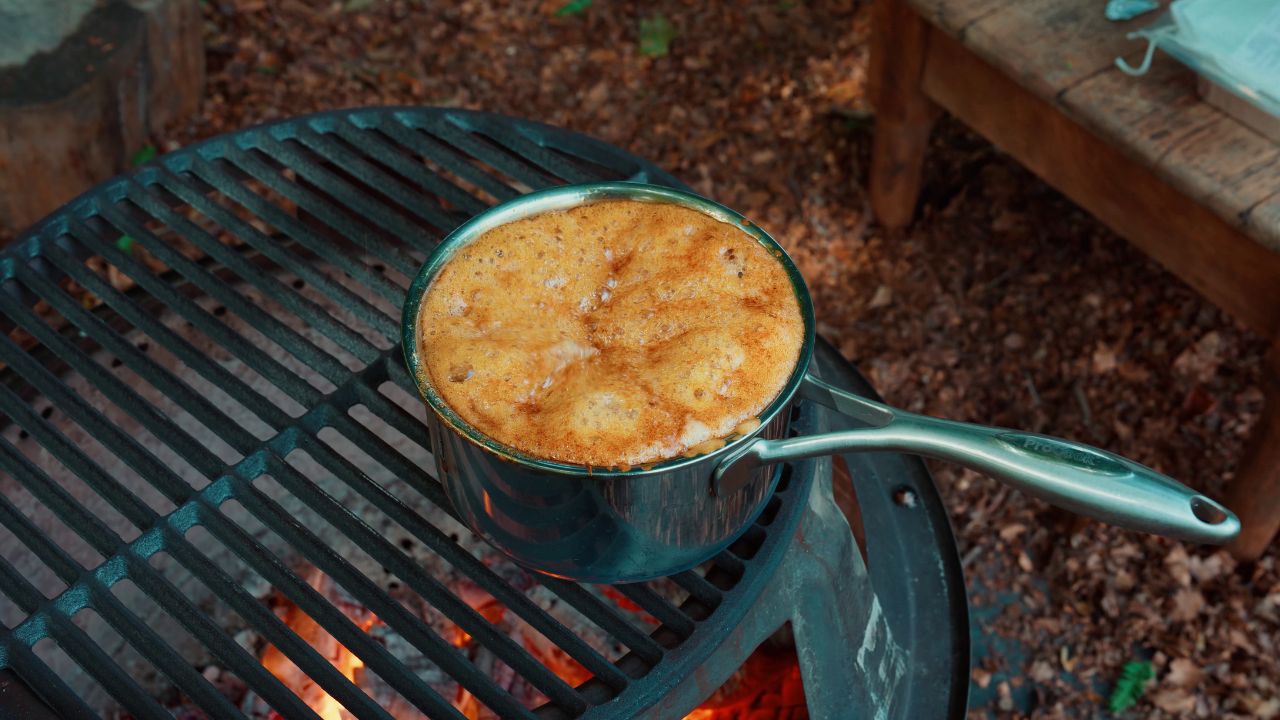
I used untreated wood and put a cooking grate above the fire. Even with that gap, the heat was fierce. Having a fire you enjoy sitting beside is one thing. Keeping a pan of sugar under control is another.
Before heating anything, get your equipment within reach:
- Saucepans for the honeycomb and syrups.
- A sugar thermometer for the honeycomb mixture.
- Baking parchment and a heatproof tray or container.
- A very fine filter bag for the rosehip liquid.
- A heatproof jug and cups for mixing and tasting.
Hot sugar deserves particular care. I warned about splashes while making the honeycomb, then managed to burn my hand later in the cook-up. Take your time around hot pans and boiling liquids.
The recipes here are food and drink ideas. I made them when I felt under the weather, but that personal experience is not evidence that they treat a cold.
Heather honeycomb recipe: expect a sticky result
Heather honey has a strong flavour and an aroma I love. I’d recently been out on the moors collecting honey, so using some in the cooking felt like the obvious next step.
This honeycomb is the sweet made with sugar and bicarbonate of soda, rather than a piece of comb cut from a hive.
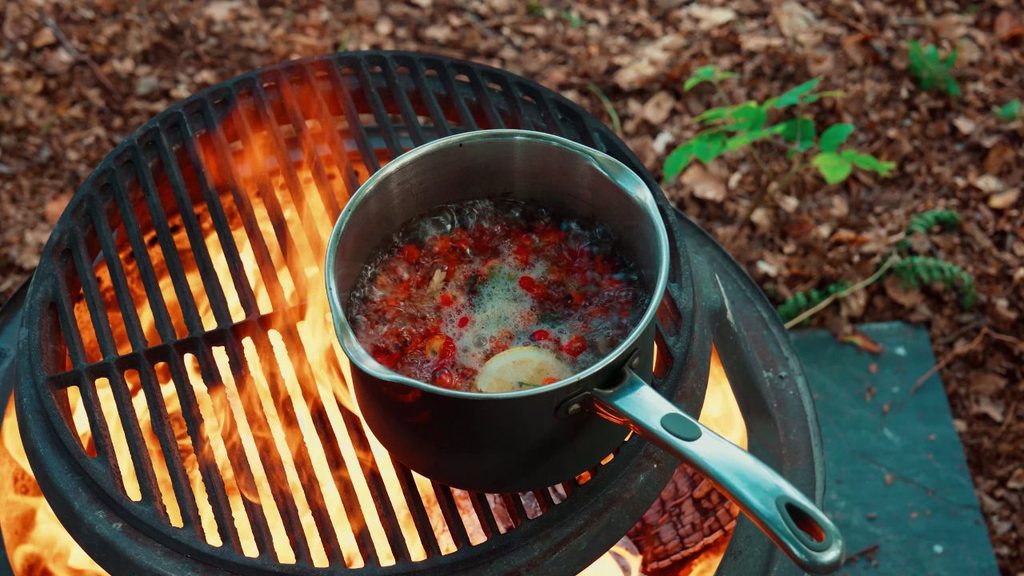
For my honeycomb recipe, I put honey, sugar and water into a pan. I watched the temperature with a thermometer and aimed for 150°C. I let the mixture boil without stirring it, giving the pan an occasional gentle movement.
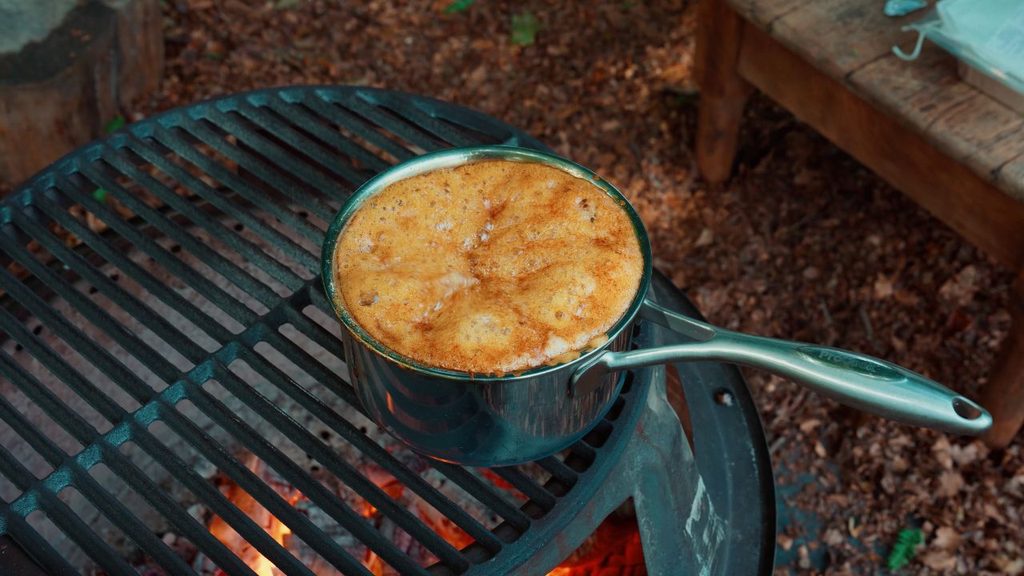
The bicarbonate of soda went in at the end, before the mixture went onto baking parchment. It foamed up, and I left it alone to cool for about an hour.
Don’t touch it while it’s hot. The temptation is to see whether it has set, but hot sugar can give you a nasty burn.
What mine actually tasted like
I’d hoped for something light and crisp. What I made was extremely sticky, with a honey flavour I really liked.
The taste test went well too. After a few doubtful reactions to the drinks, the honeycomb finally got a much warmer reception. A request for another piece is usually a good sign.
Treat that as an honest result from my attempt, rather than a promise of perfect texture. Use the measured recipe in the guide rather than guessing the balance of sugar, water and honey.
Rosehip syrup recipe: the filtering matters
Our foraging trip was meant to be about elderberries. We arrived to find most of them had already gone. We did come back with plenty of rosehips, so they became the next pan on the fire.
For the rosehip syrup recipe, I covered the fruit with water and let it boil for around 20 minutes. Then I filtered the liquid before adding orange juice and raw honey.
The filtering is the part I’d pay closest attention to. Rosehips contain fine hairs that can irritate your throat. A coarse kitchen sieve isn’t what I used. I poured the liquid through a very fine reusable filter bag to separate it from the skins and hairs.
Keep that job separate from the final mixing. Get the liquid properly filtered first, then add the orange juice and honey.
If you’re wondering what the term means when choosing a jar, our guide to what raw honey is and how to pick a good jar goes into more detail.
Serve a little before committing to a full glass
We tried the syrup straight, and the reaction was fairly blunt. It scored three out of ten in that glass.
It was very sweet. We talked about trying it diluted with water, in tea or with soda instead. I’d start with a small amount and adjust it to taste, rather than pour a full glass of syrup.
Elderberry syrup recipe with honey and spices
The elderberry syrup recipe brought together berries, ginger, lemon and warming spices. I used bought dried elderberries alongside some we’d collected. For your own batch, use sound, correctly identified fruit and follow the PDF’s preparation instructions.
The spices were cinnamon, cloves and star anise. Everything went into water to simmer for about 30 to 40 minutes, until some of the liquid had reduced.
I then let it cool before adding the honey and propolis. That was my order of work, and it also gave us a chance to tidy up before the final tasting.
What is propolis tincture?
Propolis is the sticky material you come across when working inside a beehive. The tincture I used was an alcohol-based extract.
It had a strong smell and flavour, so this is an ingredient to handle carefully. Propolis can cause allergic reactions. Make sure anyone drinking something containing it knows it’s there.
The tincture contains alcohol. Don’t assume that adding it to a warm syrup makes the finished drink alcohol-free.
My tincture was concentrated, so I used only a small amount. Check the full recipe and the directions for your product rather than copying an unmeasured splash.
The taste was better than expected
I’d described the syrup in a way that made my taste tester expect cough medicine. That probably wasn’t the best sales pitch.
The result was better received than the build-up suggested. We both preferred the idea of it warm. I’d have it with hot water, a little lemon and ginger, so the berry flavour and spices sit in a longer drink.
A heather honey and ginger drink for the fireside
While the syrups cooled, I made the drink I most wanted myself: hot water with heather honey, lemon and fresh ginger.
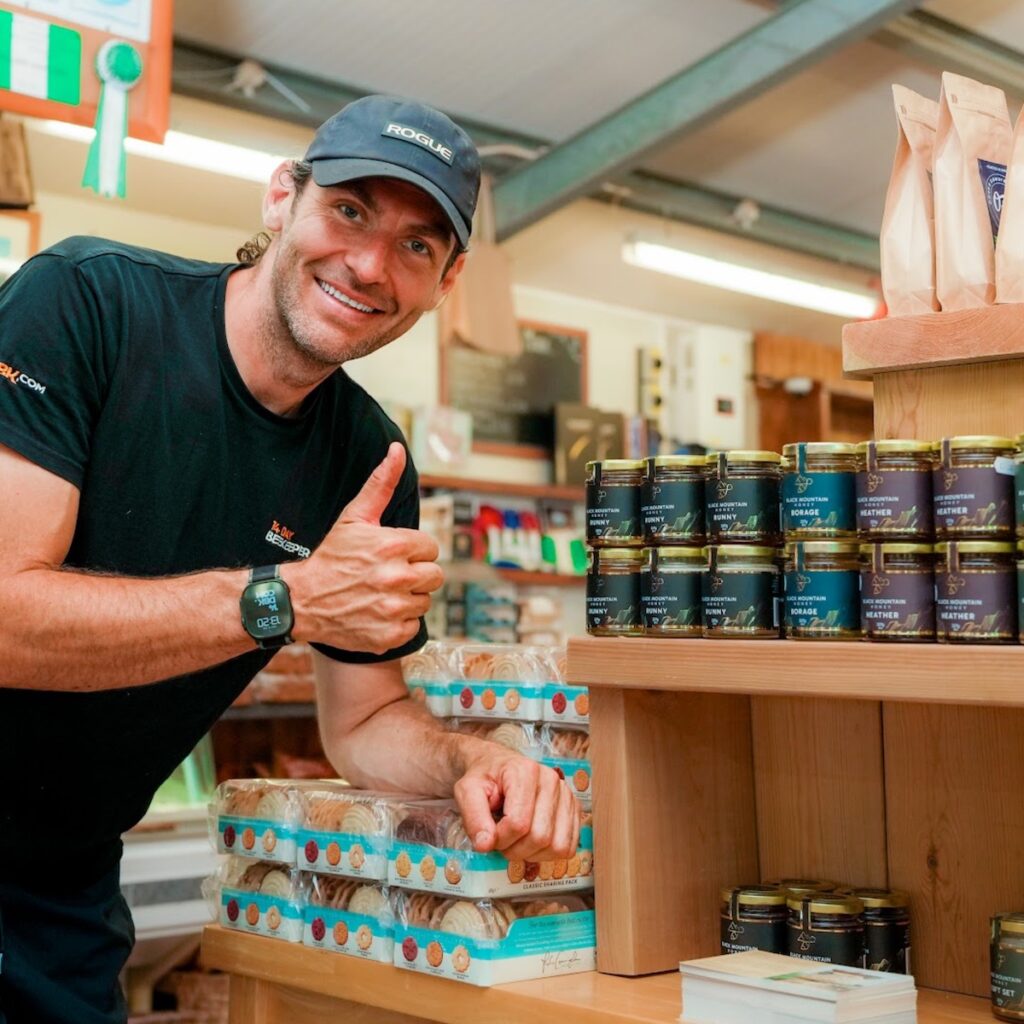
Heather honey is powerful. It isn’t always the jar I’d reach for on toast, but I like that strong flavour in a hot drink. You can find the Welsh ling heather honey in our shop if you’d like to try it.
My honey and ginger drink included pieces of ginger, which turned out to be the dividing line. I enjoyed them. My taste tester liked the drink more than the large bits of ginger.
The obvious change for next time was to strain his drink before serving it. You can enjoy the flavour without having to chew through a chunk of ginger between sips.
What I’d change for the next woodland cook-up
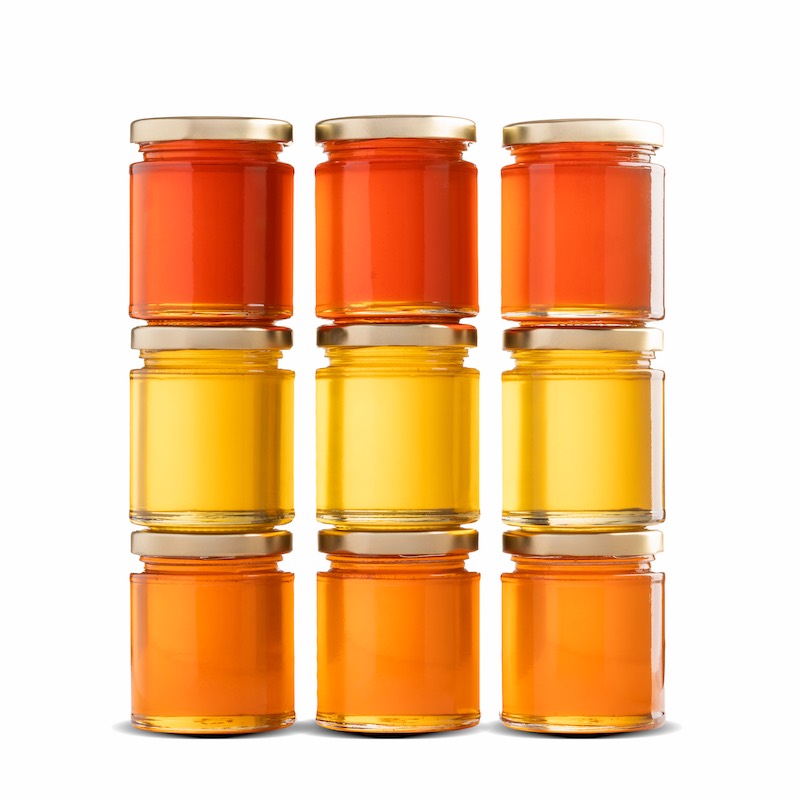
The honeycomb was the favourite in our tasting, despite its sticky texture. The rosehip syrup needed a different serving approach. The elderberry drink did better than expected, especially as something to drink warm.
My checklist for another go would be simple:
- Get the pans, thermometer and lined tray ready before heating sugar.
- Give hot mixtures time to cool instead of rushing the tasting.
- Filter the rosehip liquid thoroughly before mixing it with honey.
- Try syrups diluted before judging them straight from the jug.
- Strain the ginger drink for anyone who doesn’t enjoy the pieces.
- Keep track of the measured recipe so a result worth repeating can be made again.
Use the PDF for the measured recipe details before making a batch. Check storage guidance before bottling any syrup, rather than guessing how long it will keep.
Try the four honey recipes at home
Start with whichever of these honey recipes you’d most enjoy eating or drinking. For the ingredient quantities and methods, download the free forest recipe guide before you get the pans out.