A beekeeping business can take you somewhere you never planned to go. I spent years looking for a farm, bought serious honey extraction equipment and imagined building a physical bee farm. Then we couldn’t find the right place so we changed direction.
Meanwhile, Gruffydd Rees, known as Gruff, was building his bee farm and beekeeping supplies business. We’d started making videos at much the same time, but our businesses have grown in different directions. His experience and mine show how much the choice affects your money, your time and your family.
Featured filming kit
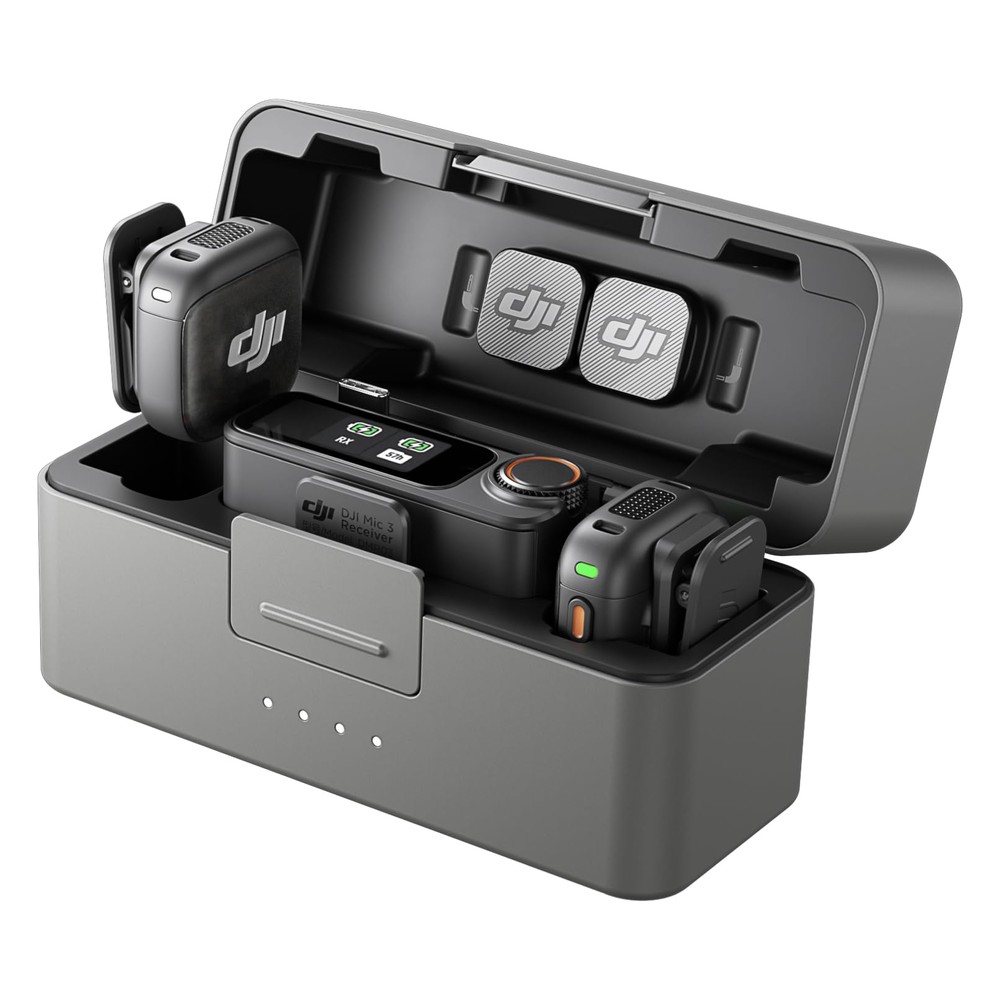
If you’re planning to put your own beekeeping on camera, sound is arguably more important than the video resolution. We use the DJI mics on every single video we film! The DJI Mic 3 wireless microphone kit includes two transmitters, a receiver and a charging case, with backup recording for your audio and comes highly recommended.
As an Amazon Associate I earn from qualifying purchases.
Recommended
DJI Mic 3 Wireless Microphone Kit (2 TX + 1 RX + Charging Case)
Two tiny wireless mics, a receiver and a charging case. Adaptive gain, noise cancelling and 32-bit float backup recording help keep your audio clean outdoors.
Building a beekeeping business around what you enjoy
For about five years, I followed the dream of buying a farm. We were invested in it. The extraction equipment we bought wasn’t set up for a couple of hives in the back garden.
We couldn’t find a suitable farm, and as prices and interest rates changed, the sort of place we wanted moved further out of reach. So I started looking at what else the business could do without one.
People kept telling me they liked our videos but struggled to find their way through them. They wanted the education in a more useful order. That was what pushed me towards an online course, alongside the queen bees and nucleus colonies we already sold.
Building the course nearly broke me. The digital side takes a huge amount of investment in filming, editing and production, and it hasn’t been profitable. We’ve chosen to invest in it because it’s the direction we want to take and see a sustainable long term future if we can improve the efficiency of our production.
Gruff had space on his farm to expand his supplies business. He could see how selling equipment sat alongside the bees, honey and nucs he was already producing. He chose to bring more of the work in-house, with buildings, stock and employees.
Honey, supplies and training bring different risks
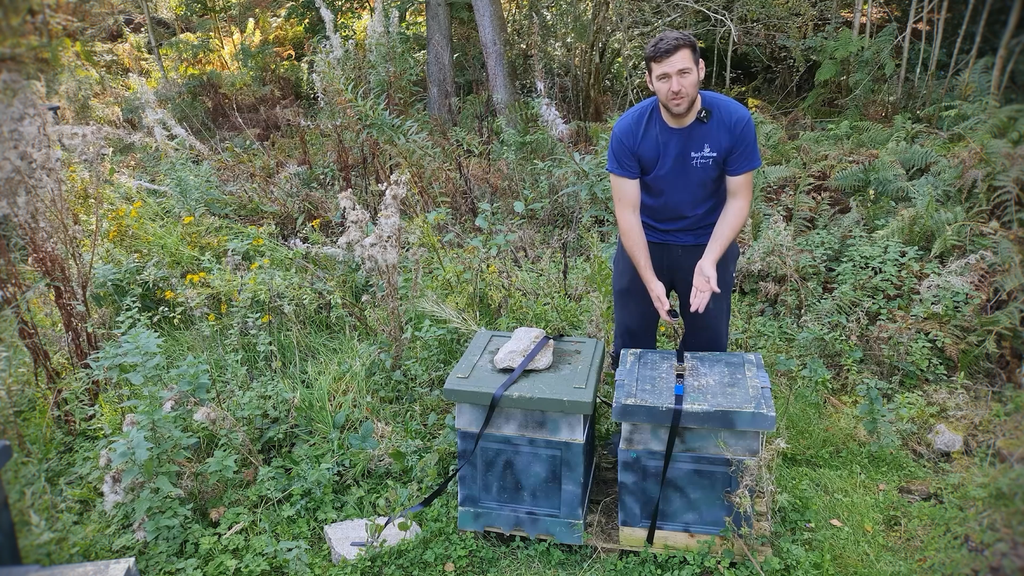
Gruff has built several income streams around the same business. He produces honey and nucs, sells beekeeping equipment and runs hands-on training days. He sees each one carrying different risks.
Honey crops can be unpredictable. Gruff remembers years when production was poor and buying enough honey to make up the difference was difficult. In his experience, buying honey to resell has been less profitable than producing his own and selling it to the final customer.
He also sees nucs as potentially profitable but risky. Colony losses or disease can affect the bees you planned to sell. Equipment stock comes with its own costs, but Gruff likes that most of it can stay in the shed until someone buys it.
His practical training days work differently again. He finds them profitable, but he has to be there for each one. An online course costs a lot to make upfront and can be used repeatedly afterwards. Both involve work and expense, only in different places.
I like having several parts to a business. Try different things, work out what you enjoy and then put your effort into the part you want to grow. You might discover that what looked like the perfect business on paper doesn’t suit the days you want to spend working.
A YouTube audience needs the right offer
Gruff and I both started making videos with the hope of selling more honey. There was a problem with that plan. Many of the people watching beekeeping videos were beekeepers, and they already had their own honey.
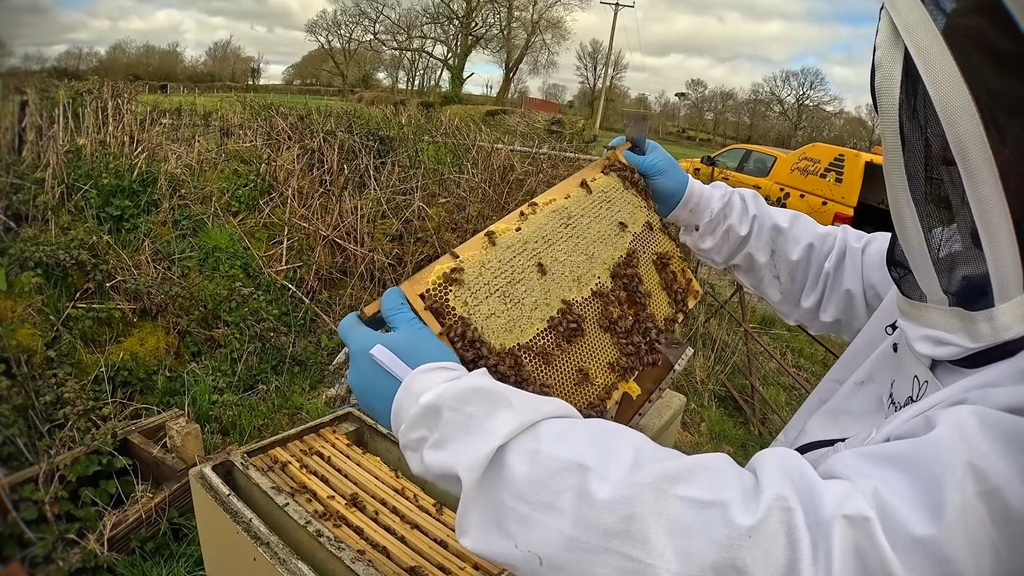
Gruff found that YouTube didn’t bring the increase in honey sales he expected. It did help people find his beekeeping supplies, though. It also opened up opportunities with brands he was already using. That was a very different result from the one he’d imagined when he picked up a camera.
It’s worth asking who your audience actually is and what they need. Someone who enjoys watching an apiary video might be interested in equipment, bees or learning to keep them. That doesn’t mean they’re looking to buy a jar of honey.
Ad revenue is only one part of the picture. Gruff finds that the time he spends making videos costs more than his channel earns in advertising. For him, the traffic it brings to the shop makes the work worthwhile. My own videos also take a lot of money and time to produce, and attracting people to the wider business is part of why I keep making them.
Make filming fit the work
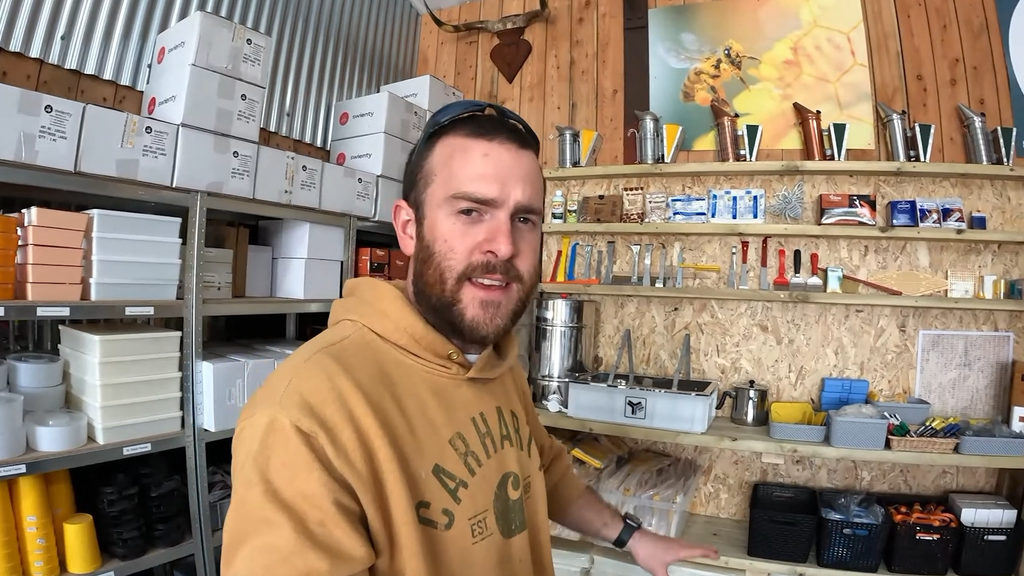
Gruff used to plan a list of videos to film. Now he often takes a GoPro along and records the work his team is doing that day. He tries to pick an interesting day, but the beekeeping still has to get done. When two people are being paid to work, losing a day to a video has a real cost.
My approach is different. I have a videographer and we plan a filming day in advance. That means working out what we need to capture, including the main videos and the shorter pieces we can make from the footage afterwards.
There’s a lot that goes into it. Filming is only the start. Editing, thumbnails and getting everything ready take time and money too. We’ve built a system around that work because online education and content are central to our plans.
Gruff prefers talking naturally to camera without a script. I sometimes use a teleprompter, which brings its own challenges.
The useful question is whether your way of making content fits the business you’re trying to run.
Decide what the work means for your family
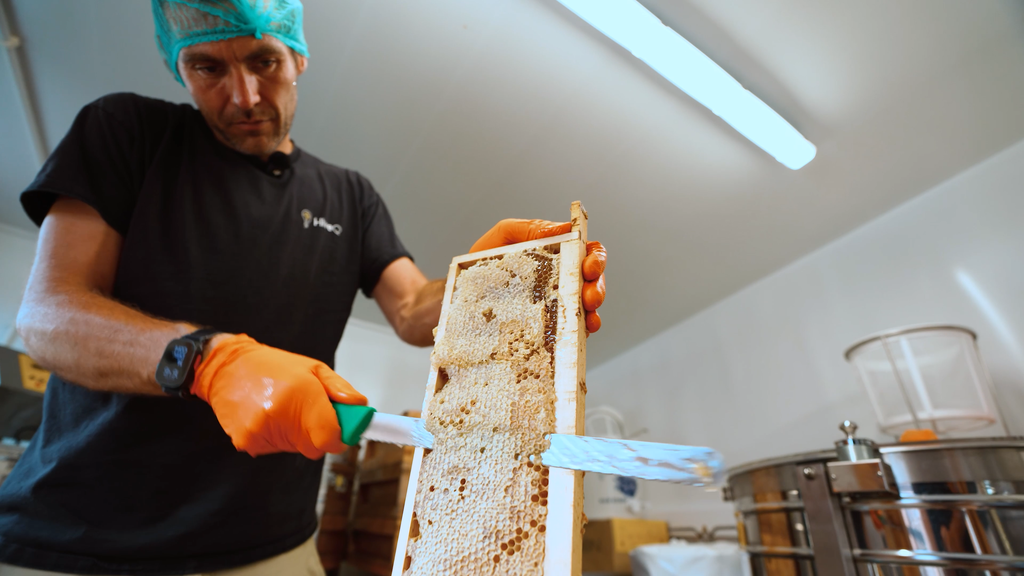
Gruff lives where he works. He describes farming as a seven-day commitment, with emails and messages often waiting after the bees are finished. He tries to keep the beekeeping between nine and five, so he’s home before and after those hours.
Living on site also means he can be around his family more. For me, one of the best parts of working for myself is being able to go to a school performance or be nearby during the day. I value those small moments enormously.
There are sacrifices as well. It can be difficult to switch off when there’s always something to think about. Gruff and I both found leaving a secure job difficult. He gradually reduced his working week before taking the plunge, and even after leaving he spent months worrying about whether he’d made the right decision.
Looking back, we both wish we’d made the move sooner. That doesn’t erase why it felt frightening at the time. A salary was supporting my family, and Gruff was weighing up what he could lose too.
As Gruff put it:
“I wanted to be a beekeeper working for myself.”
I still look at what he’s built with a lot of respect. Our choices have given us different working lives, even though we started with similar ambitions.
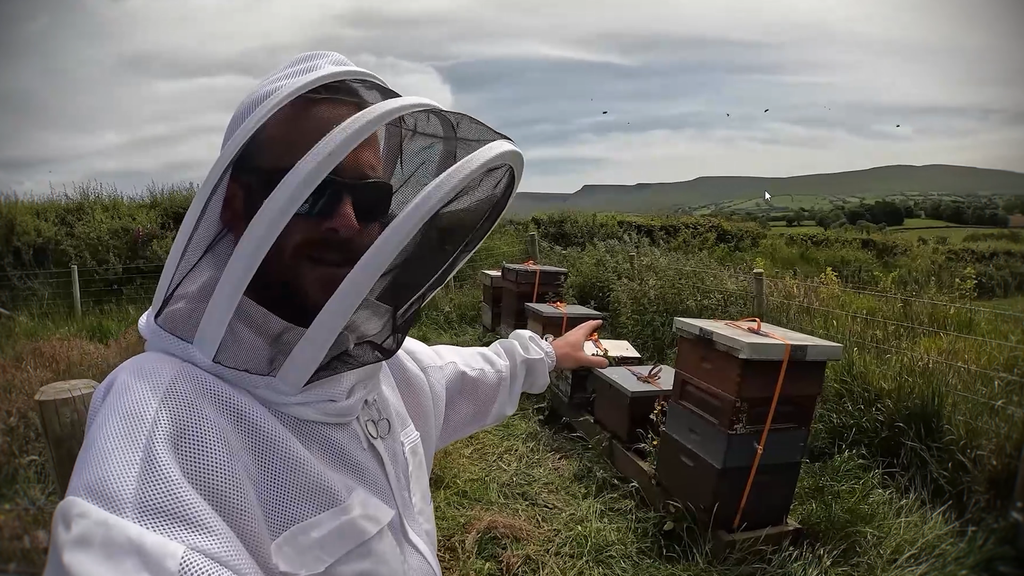
Filming equipment for different ways of working
Gruff’s approach and mine ask different things of the camera kit. If you’re looking at filming your own beekeeping, these are four options to consider.
These are Amazon affiliate links. As an Amazon Associate I earn from qualifying purchases.
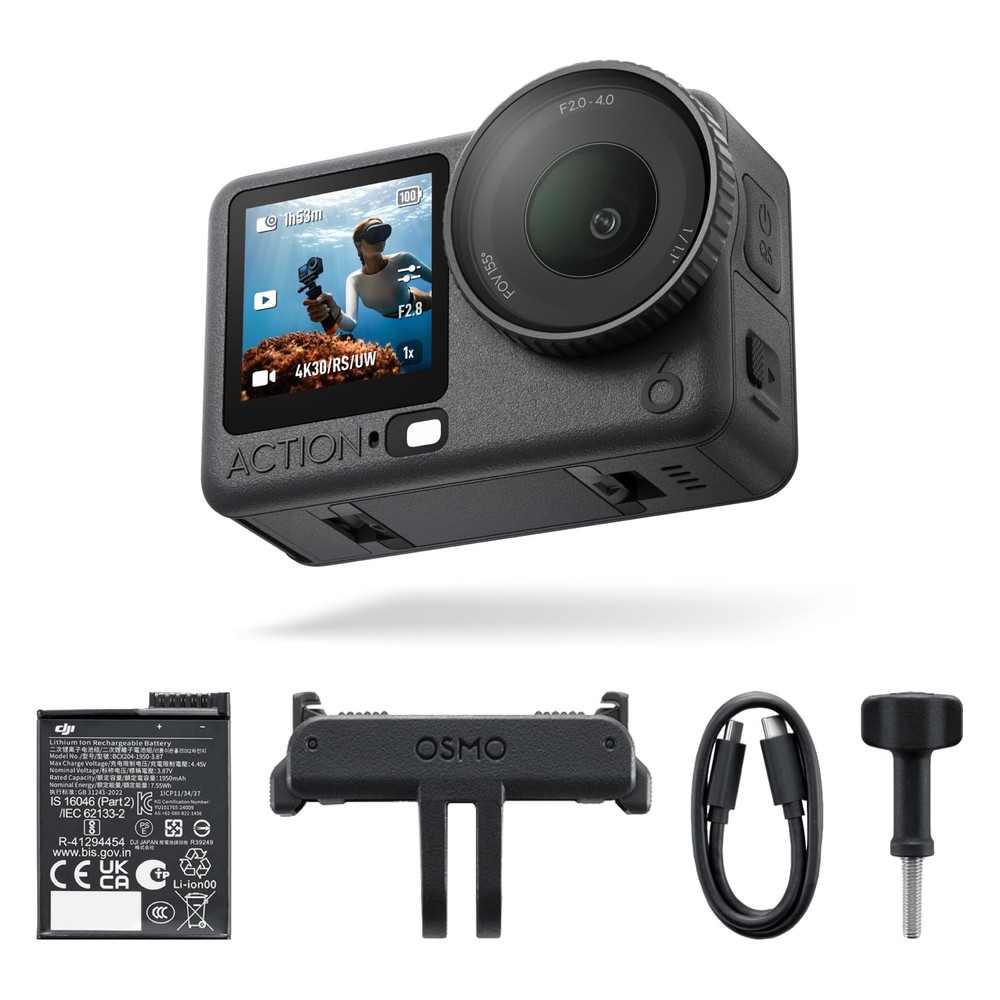
The DJI Osmo Action 6 is an action-camera option for filming work around the apiary. It suits a different setup from carrying a larger camera and stabiliser (this is a similar style camera to the one Gruff uses and will give you great vlog style content).
Recommended
DJI Osmo Action 6 Essential Combo Action Camera
A tough action camera with a 1/1.1″ square sensor, f/2.0 to f/4.0 aperture and up to 8K video. Waterproof to 20m without a case and happy in the cold.
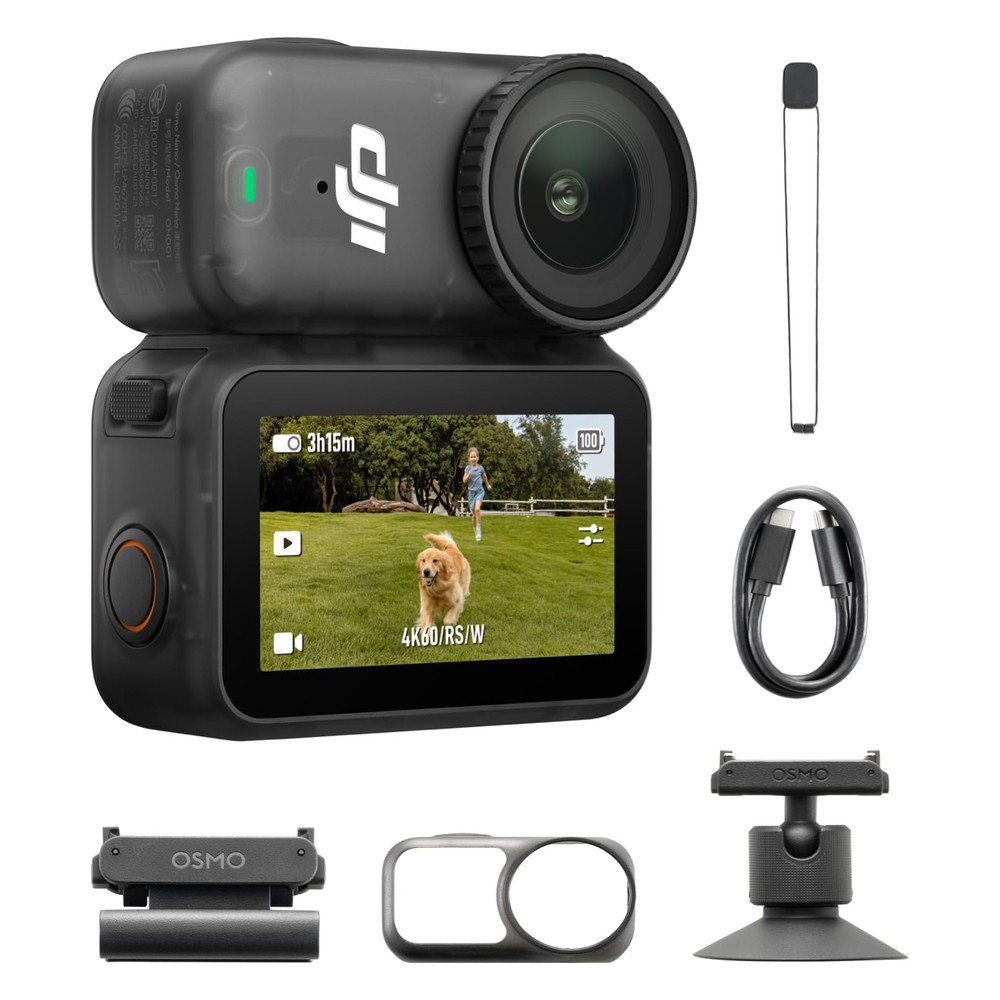
The DJI Osmo Nano is a small wearable camera for hands-free point-of-view footage. That format is useful when you want to show the job from your perspective. (Laurence uses this for all his POV shots).
Recommended
DJI Osmo Nano Standard Combo 4K Wearable Camera, 64GB
A tiny magnetic 4K/60fps camera you can clip on for hands-free POV footage. 1/1.3″ sensor, 10-bit D-Log M and 64GB built in. Great for filming at the hive.
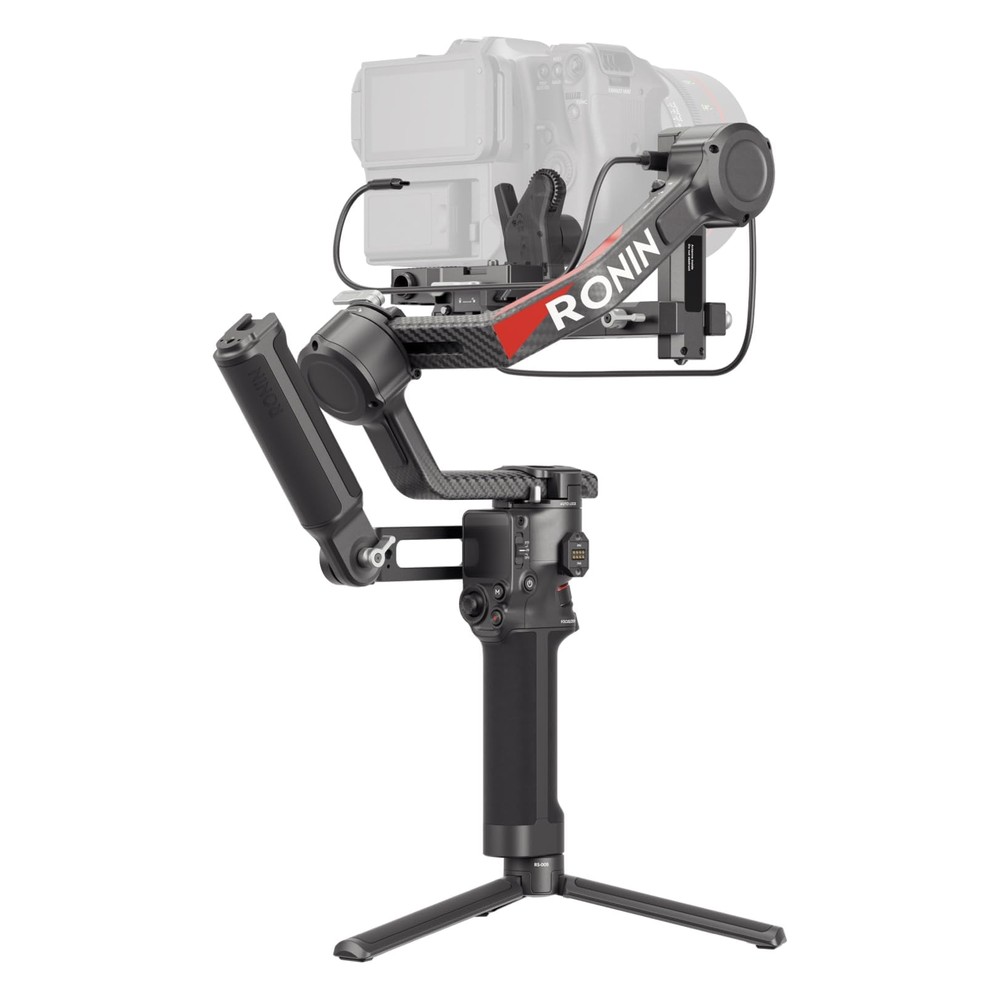
The DJI RS 4 Pro Combo is a separate gimbal for a larger camera setup. If that’s the route you’re considering, check your camera and lens against its compatibility and payload requirements before buying (Zayne’s top pick for pro level stabilisation).
Recommended
DJI RS 4 Pro Combo Gimbal Stabiliser
A gimbal for mirrorless and cinema cameras with a 4.5kg payload, native vertical shooting and LiDAR focusing. Smooth, steady footage from bigger rigs.
What to think about before you grow
If you’re considering making more of your beekeeping, start by looking at the work behind each idea. Selling honey, producing nucs, teaching and selling supplies each ask something different of your time and money.
Think about who would buy what you make, what you’d need to invest and how the work would fit around the people at home. Try the parts that interest you before building the whole business around them. Then give yourself room to change direction when an opportunity or a limitation appears.
If you’re still at the beginning and want to learn more about keeping bees, I’ve put together a free 14-day beekeeping email course.
Some links on this page are affiliate links. If you buy through them, we may earn a small commission at no extra cost to you.