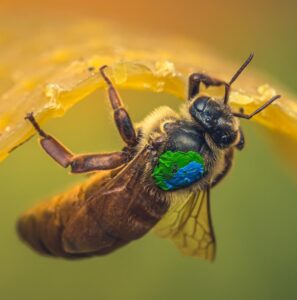

Asian hornets in Jersey are putting pressure on honey bees and other insects. If you think you’ve seen one, take a photo from a safe distance if you can and report it. If you find a nest, leave it alone and contact the people trained to deal with it.
Jersey has a team of volunteers, government officers and nest removal specialists working together to find and control Asian hornet nests. Zayne went to meet them and filmed how they do it. Their work gives us a look at what it takes to respond to this invasive species.
Why are Asian hornets in Jersey a problem?
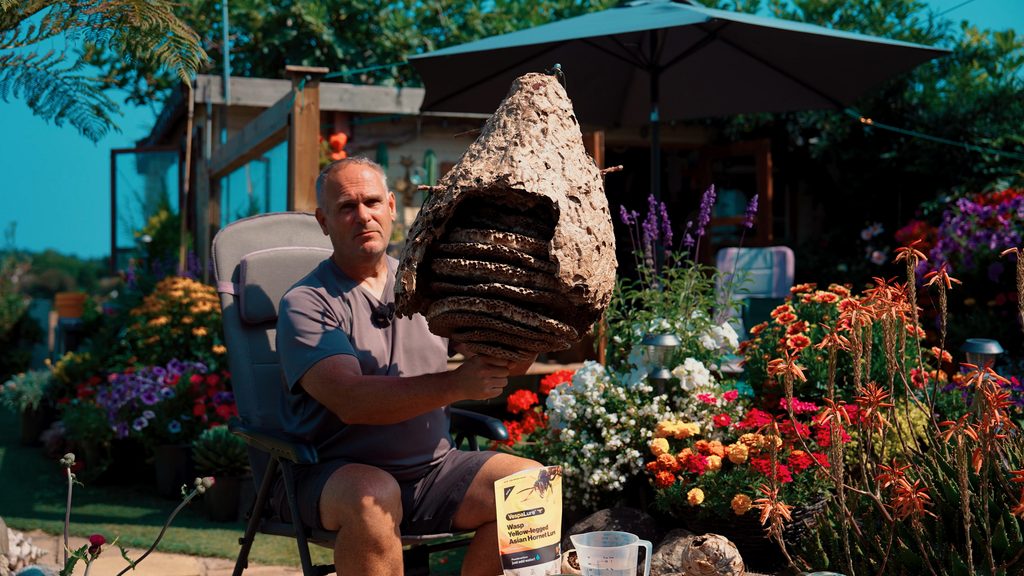
The Asian hornet, also called the yellow-legged hornet, is an invasive species. Its scientific name is Vespa velutina. It hunts honey bees and other insects, including wild pollinators.
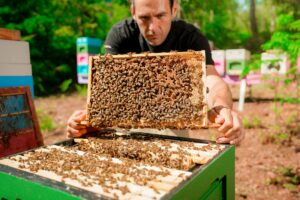
At a beehive, hornets can hover outside the entrance and pick off returning bees. When that pressure carries on, the bees may stop flying freely. That means less food coming in and a colony that can become weaker. One beekeeper in the documentary had lost three colonies.
The problem goes beyond the apiary. Asian hornets take a range of insects, and nests can also pose a risk to people if disturbed. Jersey’s government says the wider effect on the island’s wild pollinators is difficult to measure, but the pressure on bees and public safety is a real concern.
How serious is the problem in Jersey?
The first Asian hornet was detected in Jersey in 2016. Since then, the island has built a programme around public reports, trained volunteers, tracking and professional nest removal.
By early October 2026, Jersey’s government reported more than 800 nests identified that year, with the majority destroyed. That number will change as the season progresses.
The island’s aim is to suppress hornet numbers and reduce their impact. Jersey’s government does not consider complete eradication from the island realistic, particularly with established populations nearby in France. Finding and dealing with individual nests still matters.

Why Zayne went to Jersey
Apitura, a company that makes bait and traps for wasps and Asian hornets, got in touch about working together. They were going to Jersey to film the hornets and invited me along.
I wanted to go, but my wife hasn’t been well this year, so I wasn’t able to make the trip. Instead, I sent Zayne on a mission. I asked him to make a documentary about what the people of Jersey are doing to fight back against Asian hornets.
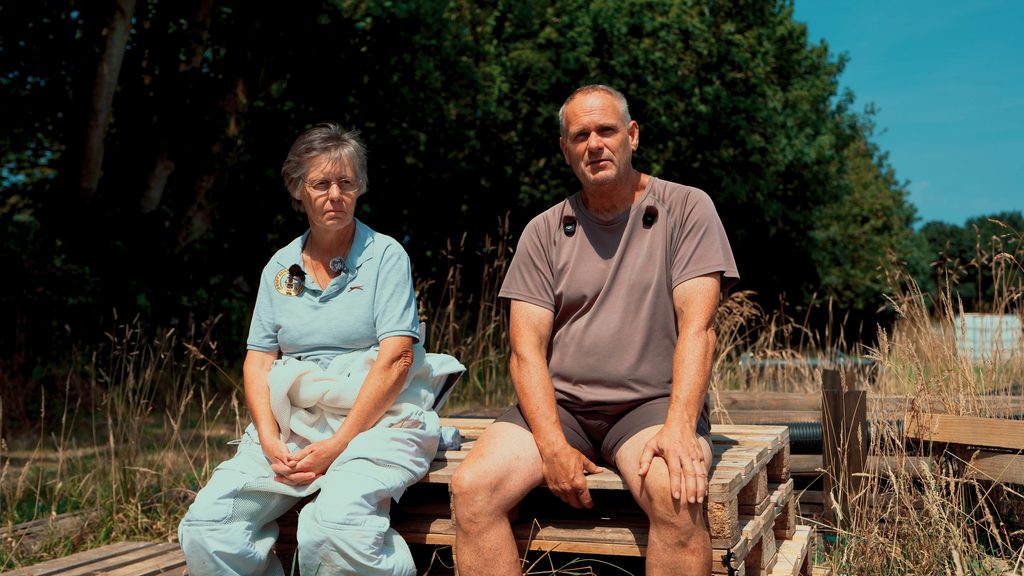
He met two experienced people involved in the island’s response, along with others supporting the work. What came back was a proper look at the effort behind each nest found and dealt with.
Watch Zayne’s Asian hornet documentary to see the tracking and nest removals for yourself.
How Asian hornet tracking works
Finding an Asian hornet is the start. Finding its nest can be much harder.
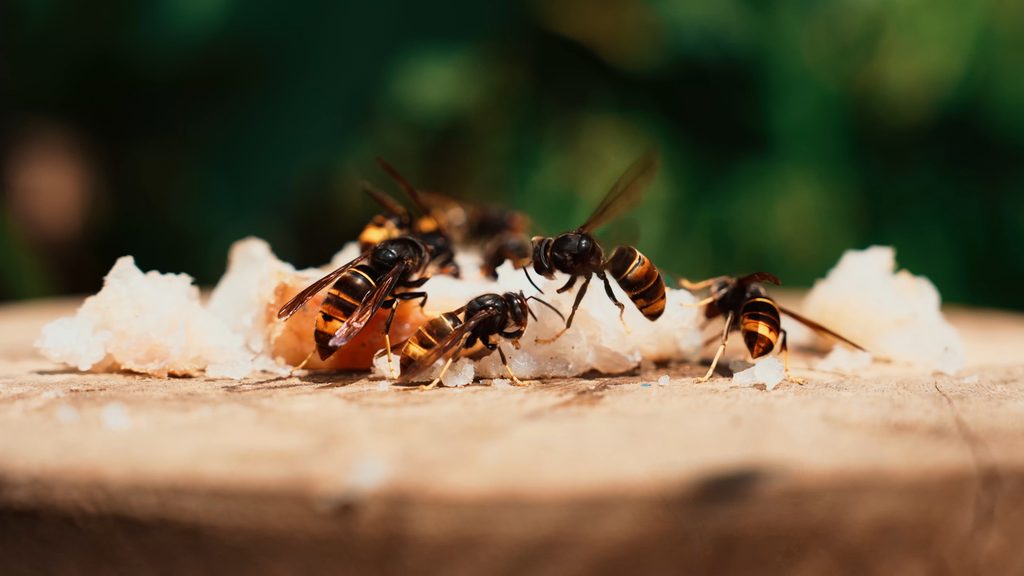
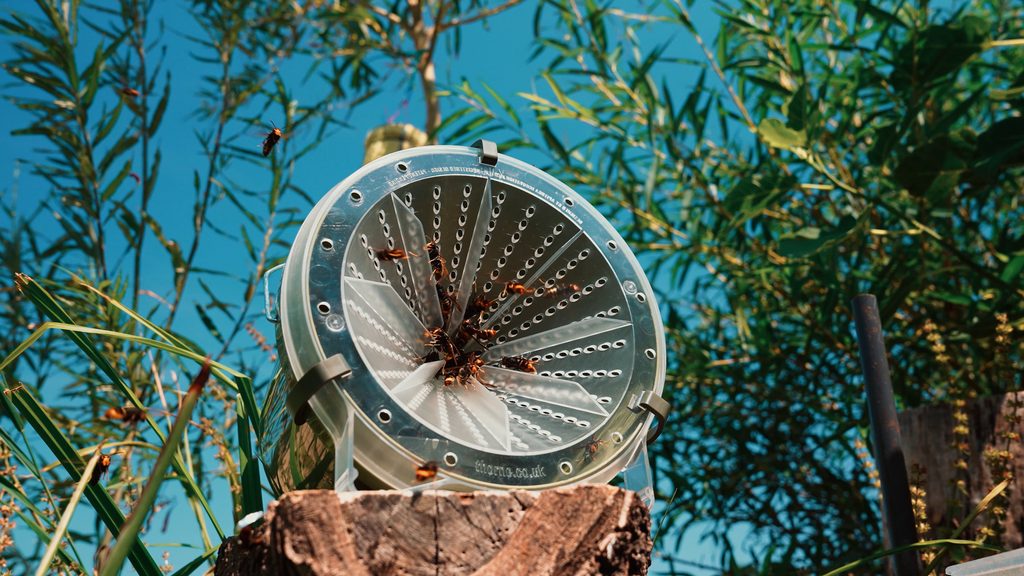
The trained trackers use a bait station to bring hornets to a place where they can observe them. They mark individual hornets so they can tell them apart, then watch the direction each one takes when it leaves. They also time how long it takes to return.
The flight direction gives them a line to follow. The return time can give them a rough idea of distance, but it isn’t an exact measurement. By taking observations from more than one position, the team can compare flight lines and narrow down where to search.
A hornet can disappear against a dark hedge or tree very quickly. One of the trackers uses a thin strip of reflective material to make it easier to follow the insect’s flight. With practice and patience, those observations can lead the team towards a nest that would otherwise be difficult to spot.
These are techniques used by trained people as part of the response. If you spot a hornet, your job is to report it rather than handle or follow it yourself.
Finding the primary and secondary nests
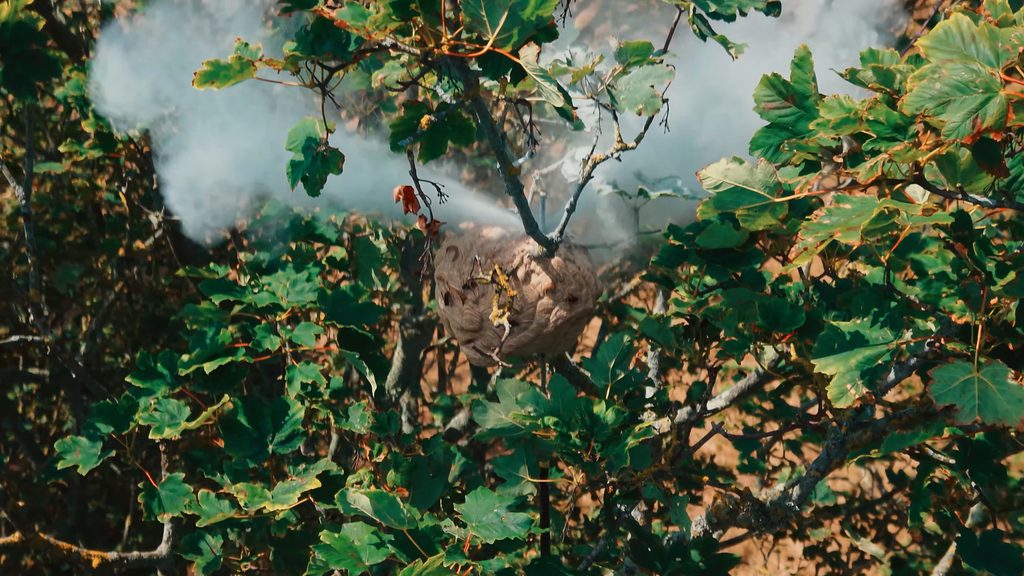
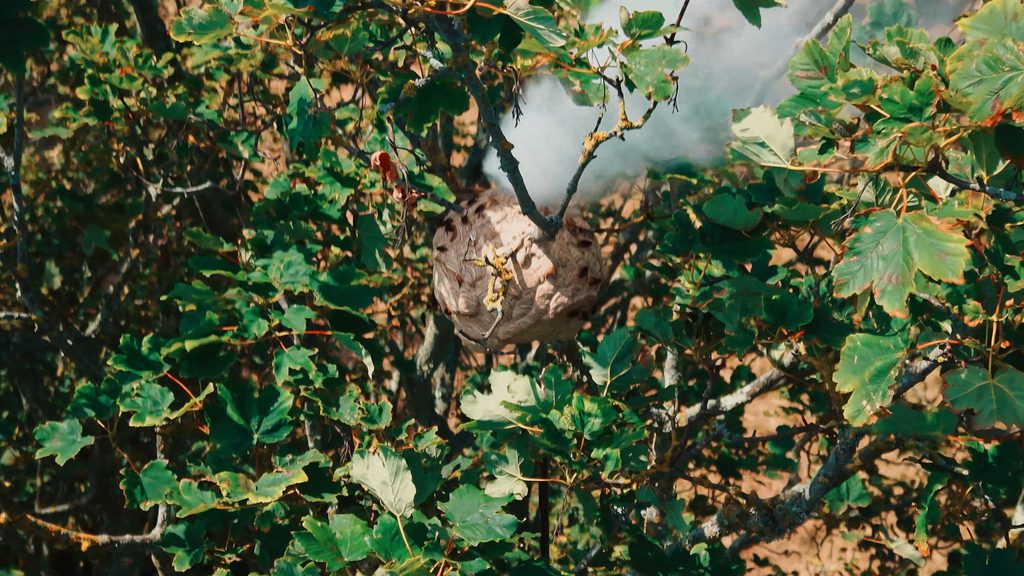
A queen starts a small nest earlier in the season. As the colony grows, it may move to a larger secondary nest. Those later nests can be high in trees, but nests can also be hidden in hedges, buildings or close to the ground.
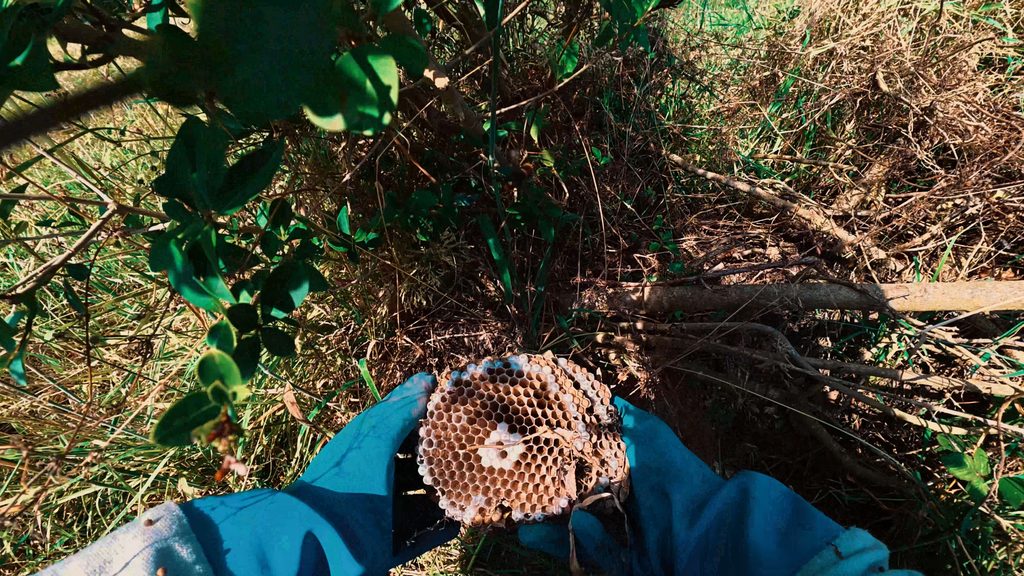
In Jersey, the team found a ground-level nest hidden in vegetation. A trained nest remover assessed it, wore specialist protective equipment and removed it using a controlled process. The nest was secured for freezing afterwards.
When the team examined it, they suspected the queen had moved. They searched the area and found a secondary nest high in a tree. The specialists then treated that nest too.
It was a successful result for the team, and a good example of why locating one nest can lead to more questions. It also shows how different two nests can be: one low and concealed, the other high up and much harder to reach.
How to get rid of Asian hornets safely
Do not try to remove, spray, freeze or destroy an Asian hornet nest yourself. Disturbing a nest can trigger an aggressive defence, and ordinary beekeeping clothing is not a substitute for the equipment and training used by a specialist team.
The people in Jersey choose their approach after assessing the nest and its surroundings. The method depends on where it is and the risks involved. They also need to consider the products they use and their effect on the surrounding environment.
If you suspect a nest, move away, keep other people away and report it. Jersey’s government advises staying at least 10 metres away and avoiding vibrations around a suspected nest. Don’t cut vegetation, knock the nest or try to get close for a better photo.
Asian hornet identification
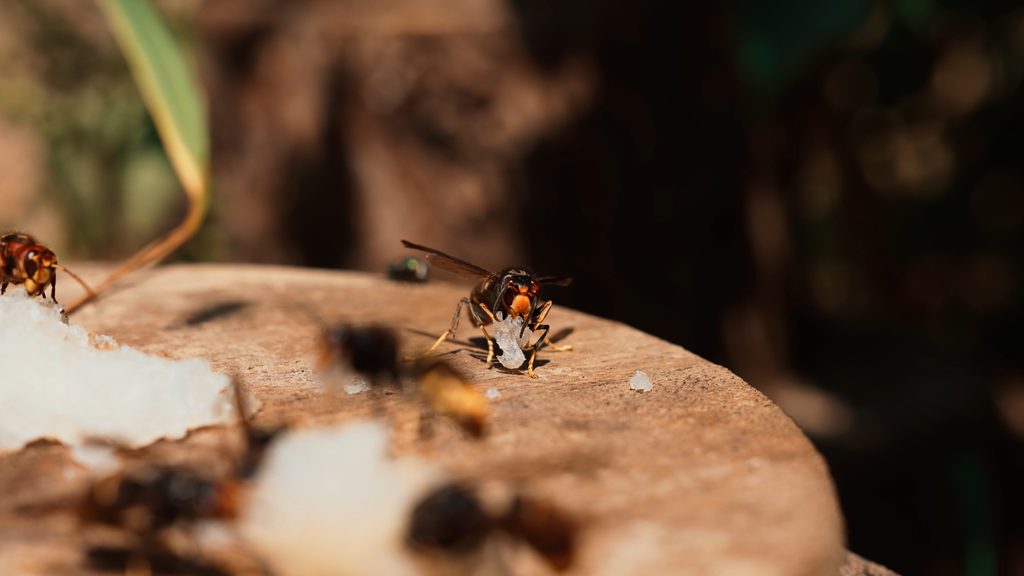
An Asian hornet is mostly dark, with yellow lower legs and a distinct yellow or orange band towards the rear of its abdomen. Its face is orange or yellow, and its body is more slender than a honey bee’s.
It can be confused with the native European hornet and other harmless insects. The European hornet has much more yellow on its abdomen. Don’t kill an insect simply because you’re unsure what it is. Take a clear photo from a safe distance if possible and use an identification guide.
The Jersey government guide shows the key features and compares the Asian hornet with the European hornet. The UK Centre for Ecology & Hydrology guide also has a comparison and identification resources.
What should I do if I see an Asian hornet in Jersey?
Report an individual hornet or suspected nest using the Government of Jersey Asian hornet reporting map and form. Give the location and a photograph if you can take one safely.
Jersey’s government says the Asian Hornet Watch and Love Jersey apps are no longer monitored regularly for island reports. Use the Jersey map instead. The Jersey Beekeepers’ Association also has information about the island’s work and how volunteers can help.
If there’s an emergency with an immediate risk of multiple stings in Jersey, call 01534 441633. Jersey’s government says not to use this number for individual insect sightings or low-risk nests.
How to report an Asian hornet in the UK
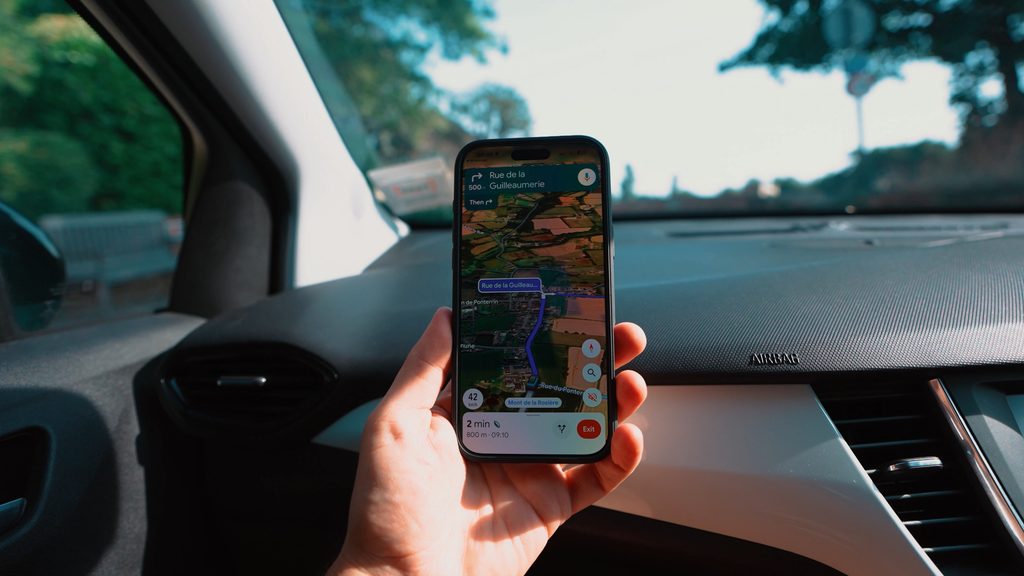
In the UK, report a suspected Asian hornet as soon as you can, with a photograph and location if it’s safe to get them. Use the Asian hornet online reporting form or the Asian Hornet Watch app, linked from the UK Centre for Ecology & Hydrology reporting page.
In Northern Ireland, DAERA asks people to report suspected sightings through the Asian Hornet Watch app, ideally with a photograph. A photograph helps the team verify the sighting.
Asian hornets and nests have been found in the UK, with a particular concentration in the South East, including Kent. The National Bee Unit’s rolling update lists confirmed nests and sightings.
The picture varies across the UK. A nest was found near Wrexham in Wales, while the Scottish Government’s October 2026 update said there had been no confirmed sightings in Scotland at that point. Wherever you live, a photo and an accurate report will help the team check what you’ve seen.
A final safety note
Please don’t try to deal with an Asian hornet nest yourself. Keep your distance, report it using the route for your location and let the trained response team assess it.
If someone has a severe reaction after a sting, seek emergency medical help immediately. Jersey’s advice on Asian hornets and stings explains the warning signs.
The work in Jersey depends on people reporting what they see and trained teams responding. If you want to see how that comes together, watch Zayne’s documentary.