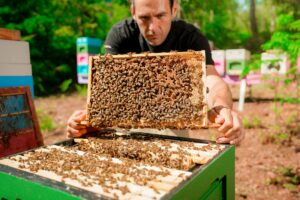
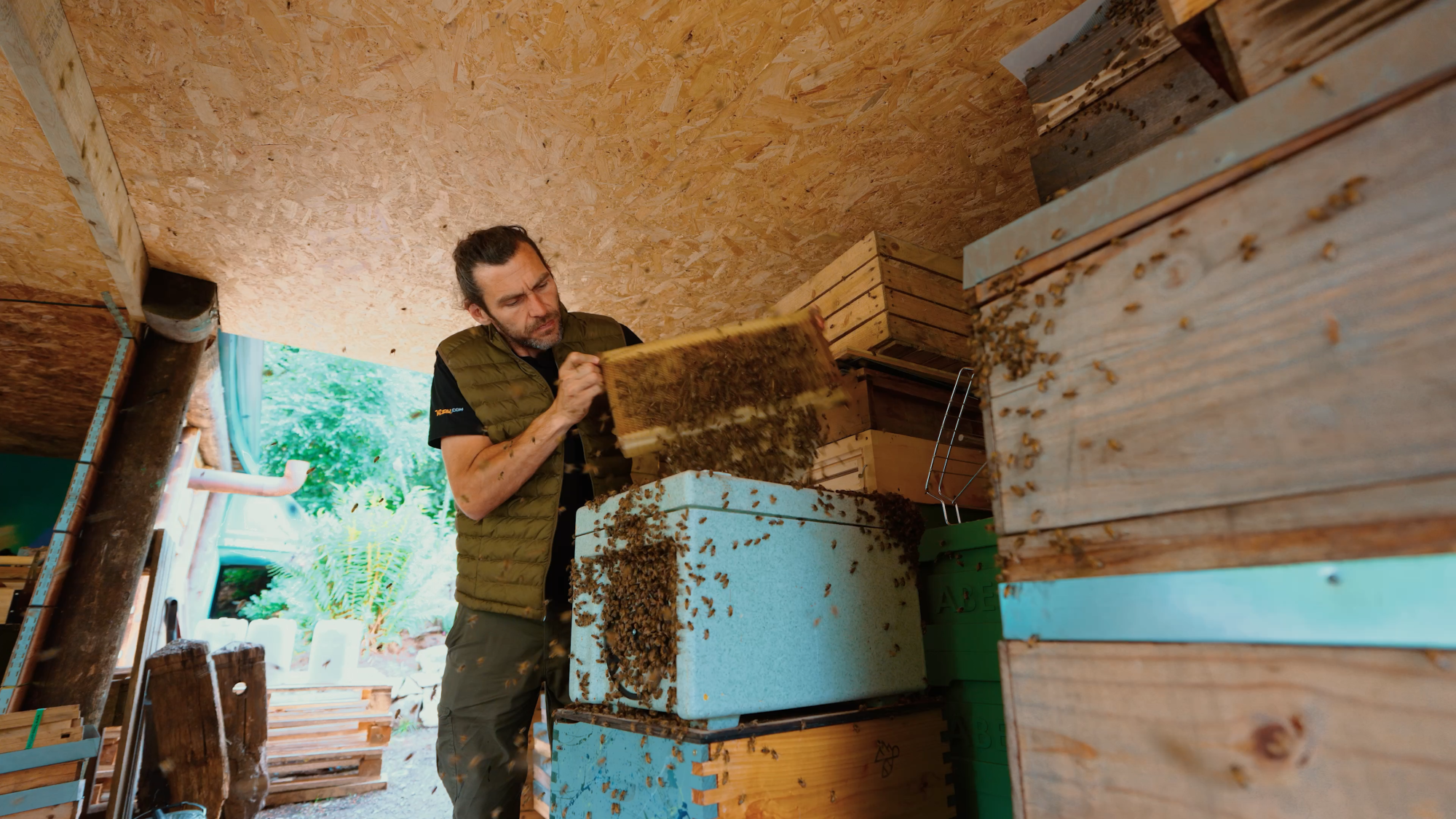
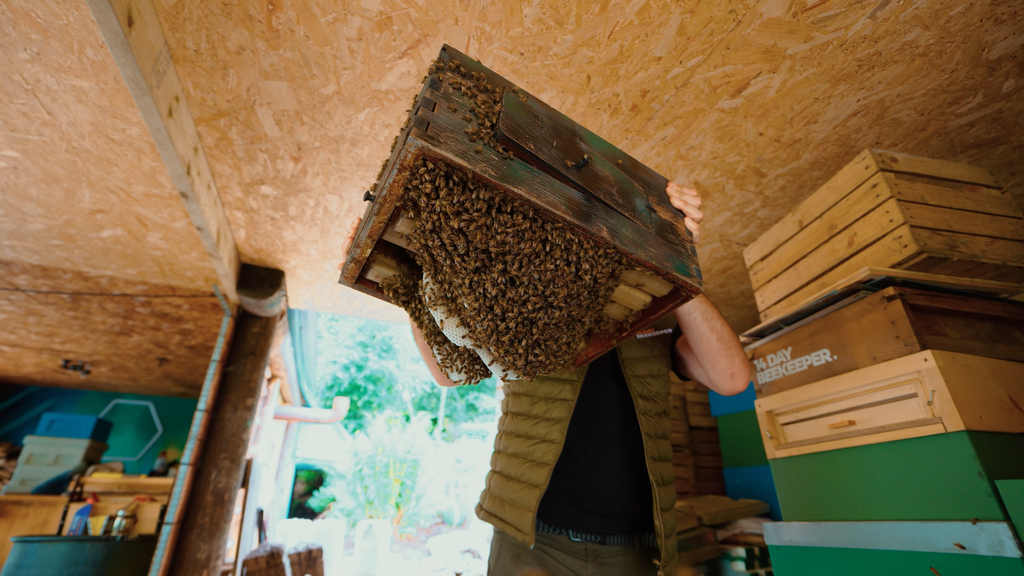
We turned up at the apiary one day and noticed loads of bees buzzing around under the shelter. When we looked closer, we found a massive swarm had moved into the top of a Flow Hive super.
The brood boxes below were empty. The bees had clustered up around the Flow super and started building comb into the space underneath it. I needed to get the swarm out of the hive and into a nuc, so I found the queen and used her to lead the bees into their new box.
Why the swarm needed to come out of the Flow Hive
It’s fine for worker bees to go into a Flow super to store honey. What you don’t want is the queen living and laying up there. This swarm had chosen the super as its home and was already building comb underneath it, so I needed to move the bees into a proper brood box.
It was a really nice swarm, with plenty of bees. The queen was worth finding too.

How to get bees out of a hive and into a nuc
I picked up the whole Flow Hive super and moved it about 20 metres away from its original position. Then I went through the frames to find the queen.
She was one of my blue-marked queens, and quite an expensive one. Once I found her, I picked her up and put her safely into a little yellow queen cage. That gave me control of the queen while I moved the rest of the swarm.
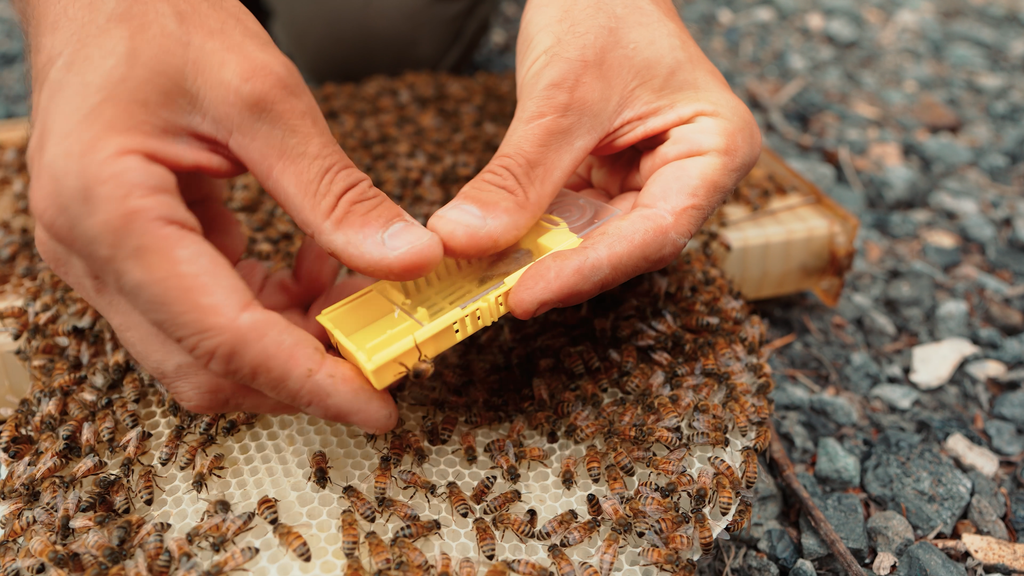
Putting the queen in a nuc
I prepared a nuc box with some drawn comb and some foundation, then put the caged queen inside. I placed the nuc where the swarm had been, in the position the bees had already orientated to.
That position does a lot of the work. The flying bees know where their home was, so they return to the same spot. With the queen inside the nuc, the bees also have her to draw them towards the box.
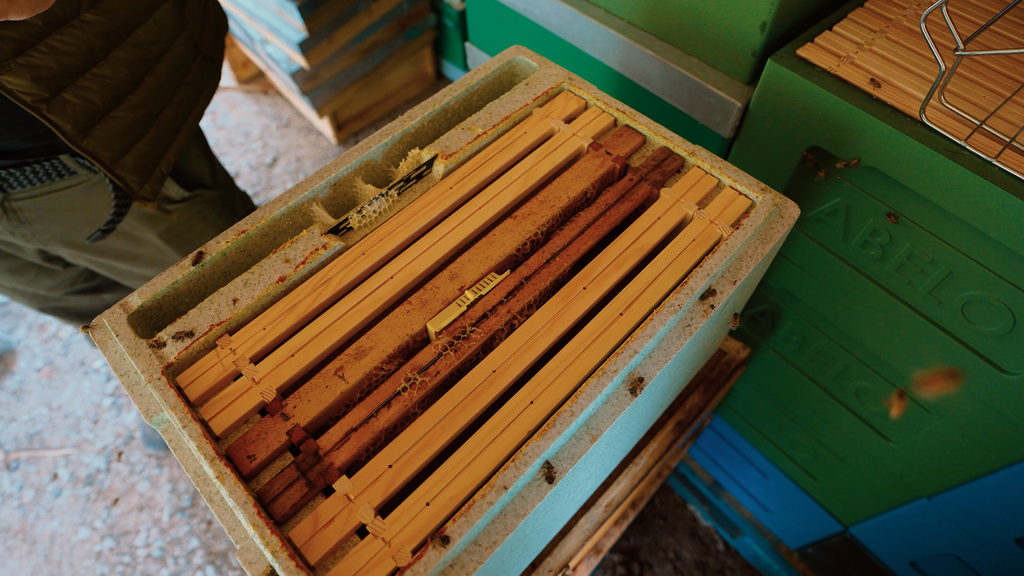
Shaking the swarm out in front of the nuc
With the nuc in place, I went back to the Flow super and shook the bees out in front of it. The bees could fly around and make their way back to the place they knew, where their queen was waiting inside the nuc.
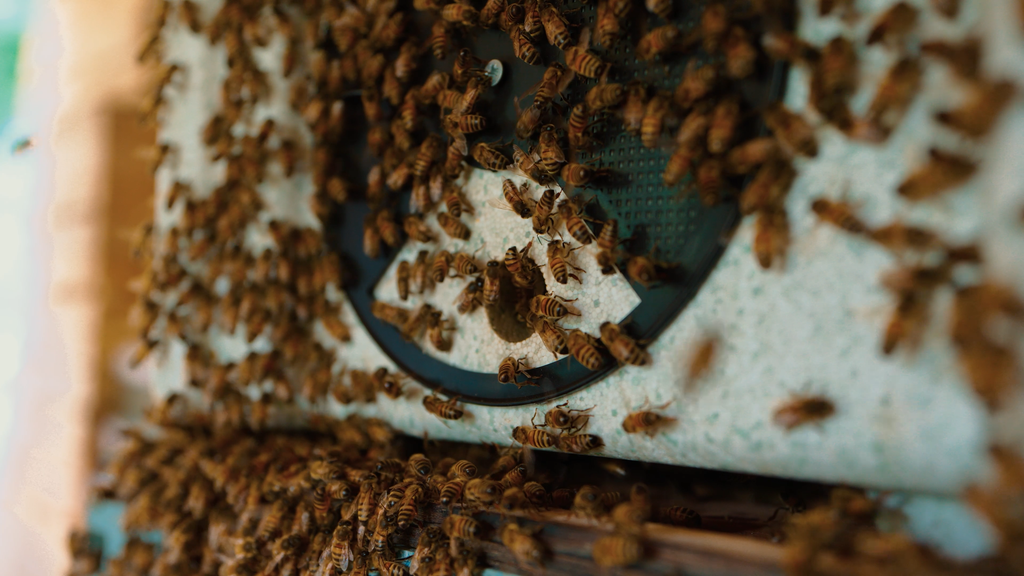
I used a ventilated roof to help keep the nuc cool. There was one small problem: the bees couldn’t work out how to get through the entrance and kept trying to get in through the ventilated roof instead.
I picked up the roof and bumped the bees into the nuc. That helped me get them where I wanted them, and I managed to get the swarm into the box.
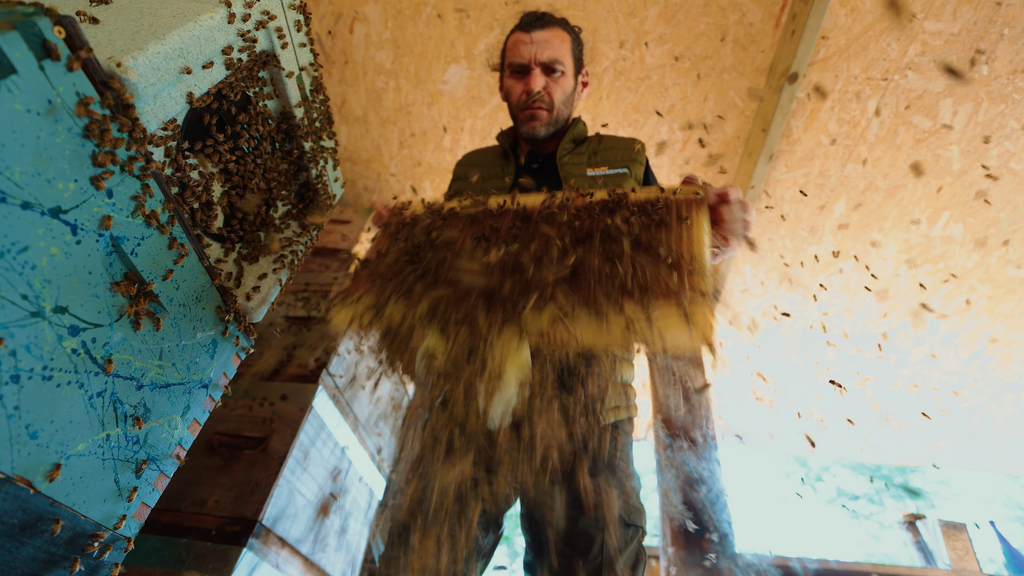
Why finding the queen makes the job easier
The trick is to find the queen, cage her and put her in the new box. You know she’s safe while you’re shaking the bees, and her presence helps draw the swarm into the nuc.
Moving a swarm like this without finding the queen is much more difficult. You risk killing her while you work, and you have less control over where the bees settle.
You can watch the swarm being moved into the nuc to see the process for yourself.
Useful kit for working with bees
When you’re moving a swarm or checking a colony, it’s useful to have your basic beekeeping kit to hand. The links below are Amazon affiliate links. I may earn a commission from qualifying purchases.
These Gator Gripz nitrile gloves have a textured grip for handling equipment. This pack is size large, so check the sizing before ordering.

Recommended
TG Tough Glove Gator Gripz Orange Nitrile Gloves, Large (500 Pack)
500 large orange nitrile gloves with a textured grip. Tough enough for propolis and wax, and the orange makes them easy to spot when one goes missing.
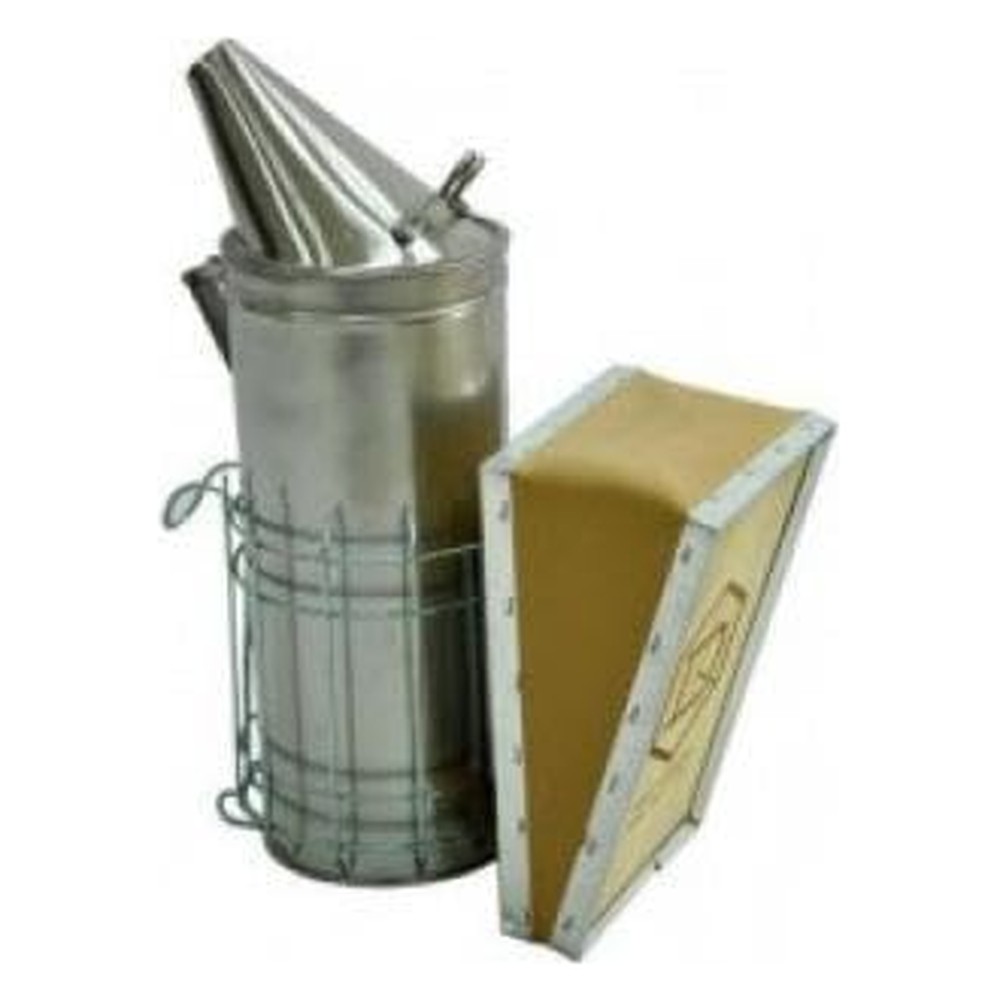
A Dadant stainless steel bee smoker is a useful piece of kit to have ready when you’re working with bees. This one has an 11 cm chamber and a heat shield.
Recommended
Dadant Stainless Steel Bee Smoker, 11cm
An 11cm stainless steel smoker from Dadant. A good size for most hives, with a heat shield for your hand and bellows that give a steady puff.
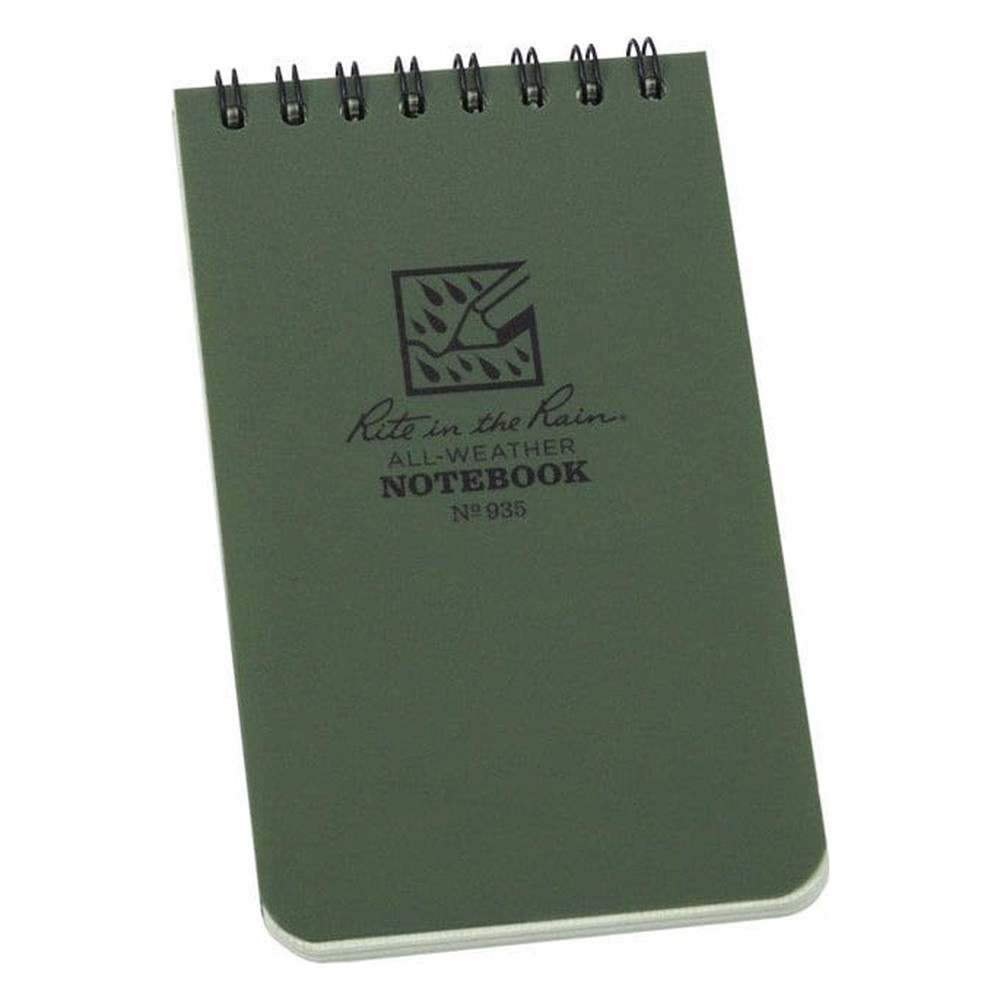
A Rite in the Rain notebook gives you somewhere to record what you’ve done and where you’ve put a swarm. It is designed for writing in wet conditions.
Recommended
Rite in the Rain All-Weather Top-Spiral Notebook, 3 x 5in
A 3 x 5 inch top spiral notebook that writes in the wet. Rain, honey and propolis do not stop it, which is more than you can say for a normal notebook.
Get support with your beekeeping
If you’ve got a swarm or a colony that’s doing something unexpected, it helps to have other beekeepers to ask. HiveQ is our private beekeeping community, where you can share questions and learn from other beekeepers.
Recommended
HiveQ
HiveQ is a private community of beekeepers supporting each other through the season, with answers from people who have already hit the same problem.
Some links on this page are affiliate links. If you buy through them, we may earn a small commission at no extra cost to you.