Harvesting heather honey is not quite like taking off a summer crop. The supers can be incredibly heavy, the honey behaves like jelly and getting it out of the comb takes a bit more work.
I travelled to Settle in North Yorkshire with Zayne to spend a day with Matt, The Yorkshire Beekeeper, and follow his ling heather honey from the moorland hives through to the finished jars. It was a cracking opportunity to see the whole process, and there is plenty here to help you understand what makes this crop different.
A note on the trade mark: I filmed with Matt before I knew about the application to trade mark the term “The Yorkshire Beekeeper”. I do not support that application and believe it should be withdrawn. Matt should be free to continue trading under the name, but I believe other people in Yorkshire should be free to call themselves Yorkshire beekeepers too.
A day on the Yorkshire moors
The journey did not go entirely to plan. I went to the wrong place, Zayne nearly ran out of fuel and we discovered that the gimbal was still at home, two hours away. Not the smoothest start to a filming day.
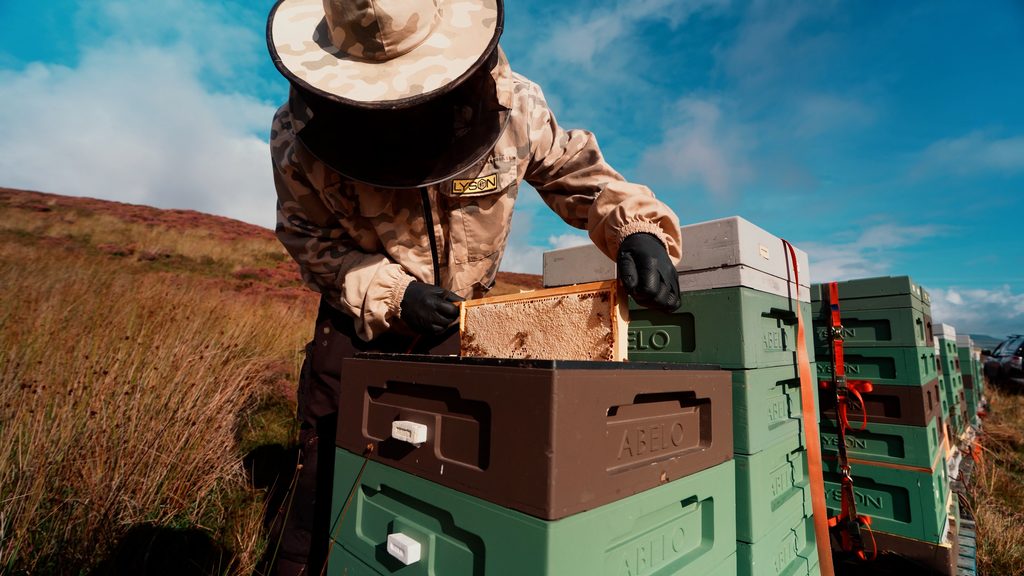
Once we got onto the moor, though, it was worth it. The heather was still purple, the views were beautiful and the hives were surrounded by a proper expanse of moorland.
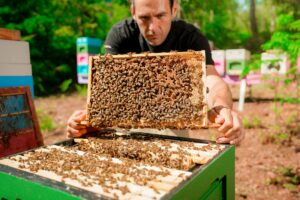
Matt had 16 colonies on the site: three on Langstroth equipment and 13 on Nationals. They had spent about five weeks on the heather. Some colonies had three supers, and some had been given a fourth. One we looked at had three full supers and another about half full. That is a lot of honey to carry off a hillside.
The crop you get will depend on the weather, the forage and the colonies. What struck me that day was just how much work sits between a good crop on the moor and a jar of honey on the table.
Clearing the bees from the supers
Before taking the honey away, you need to get the bees down out of the supers. Matt used clearer boards for this.
A clearer board has passages that let bees move down from the honey supers towards the colony below. It makes it much harder for them to find their way back up, so the supers can be removed with fewer bees in them.
Matt placed an empty super, with no frames in it, above the brood box to provide space underneath the clearer board. The eight-way clearer board went above that, the right way round, with the honey supers on top. It is worth checking the orientation before you put the boxes back together. If the board is upside down, it cannot do its job properly.
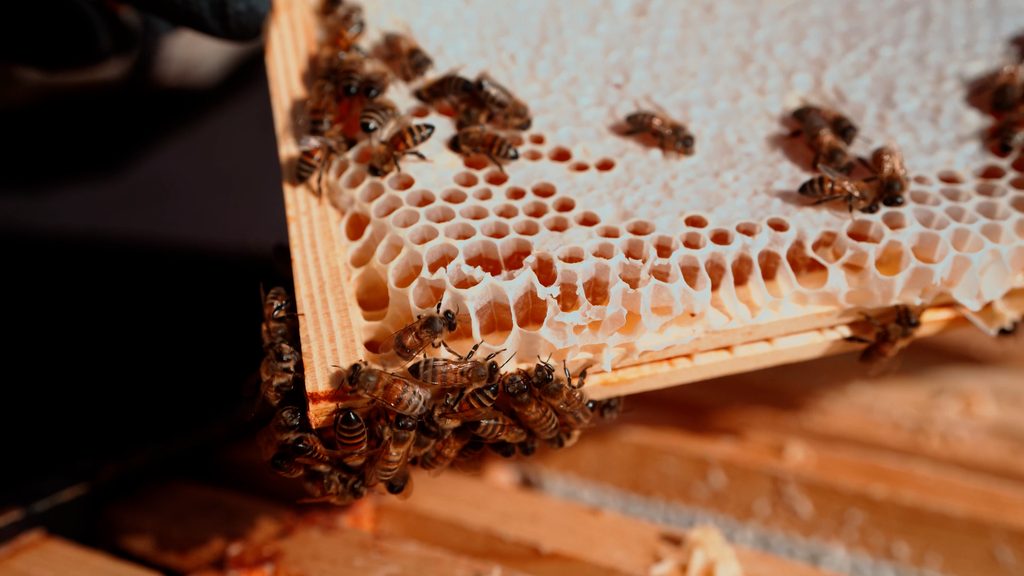
We returned around six or seven hours later. There were still bees to deal with, so Matt shook or brushed them from the frames before the supers were taken away.
Why harvesting heather honey is different
Ling heather honey is thixotropic. That is a long word for a very useful thing to understand: the honey has a jelly-like texture when it is still, but becomes more fluid when it is disturbed.
If you try to spin it straight out of the comb like a more runny summer honey, much of it can simply stay where it is. That is why the frames need extra attention before they go into the extractor.
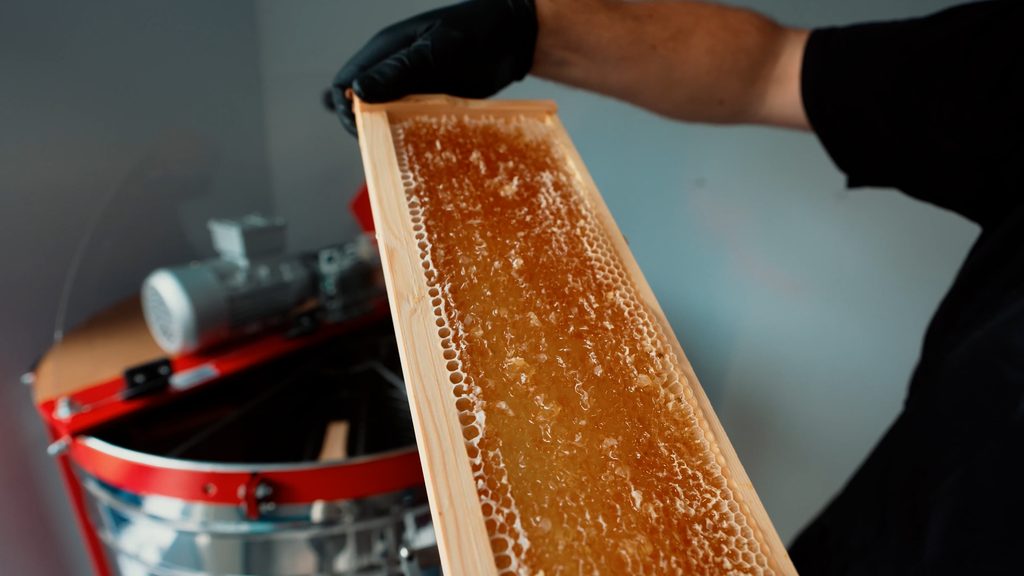
Matt’s method was to uncap the frames, loosen the honey in the cells with a needle tool and then spin the frames in a swing-cage extractor. The big advantage of this approach is that the drawn comb can be kept for the bees to use again.
Pressing is another option. That involves cutting the comb from the frames and pressing out the honey, so you get the honey but lose the drawn comb. Conwy Beekeepers explain their approach to pressing heather honey, alongside the alternative of loosening and spinning it and check out my hydropress video below:
Uncap and loosen the honey
Back in the extraction room, Matt uncapped the frames with an uncapping fork. The aim is to open the wax cappings so the honey has a way out of the cells.
Then came the part that makes ling heather honey extraction different. The heather loosening tool has a series of fine needles. Matt worked it over the open comb so the needles disturbed the honey in the individual cells.
It is a hands-on job, but skipping it makes spinning this particular honey much harder. Work carefully across the frame and take your time. You want to loosen the honey while keeping the comb in good enough condition to return to the bees.
If you want a closer look at the equipment, I have also made a video on heather honey extraction with a swing-cage extractor.
Spin the frames carefully
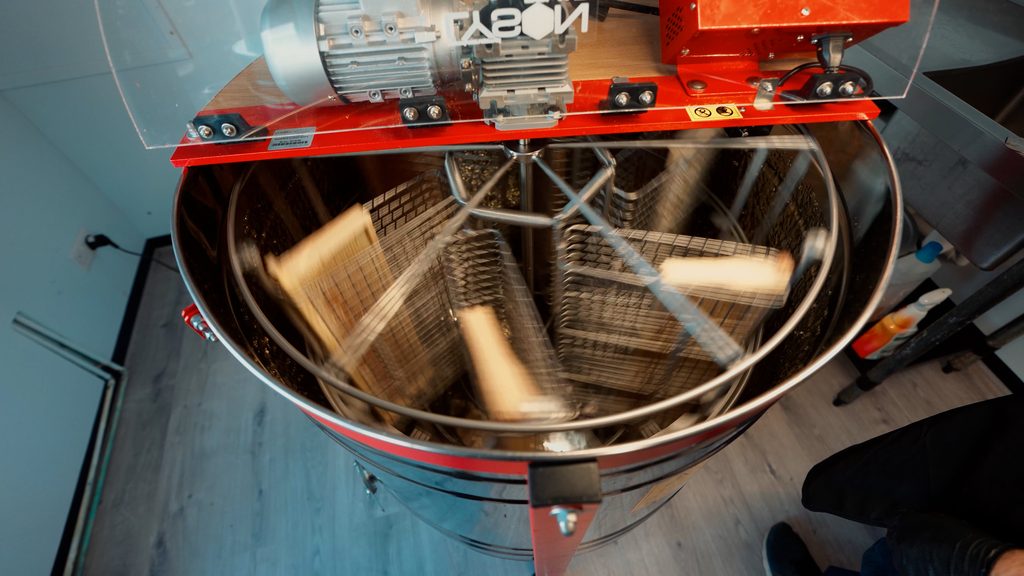
Matt used a 24-frame extractor fitted with six swing cages. Each frame sits against a cage so one face is spun outwards. The cages can then swing around to expose the other side.
Rather than immediately running the machine flat out, he built up the speed gradually and worked both sides. Heather honey is heavy, and spinning too hard too soon can damage the comb. The goal is to get the loosened honey out without wrecking the frames you want to use again.
Your extractor may have a different capacity or arrangement, so follow its instructions for loading, balancing and operating it. The important thing is to understand what the machine is doing and give the honey a route out of the comb.
Strain the honey and fill the jars
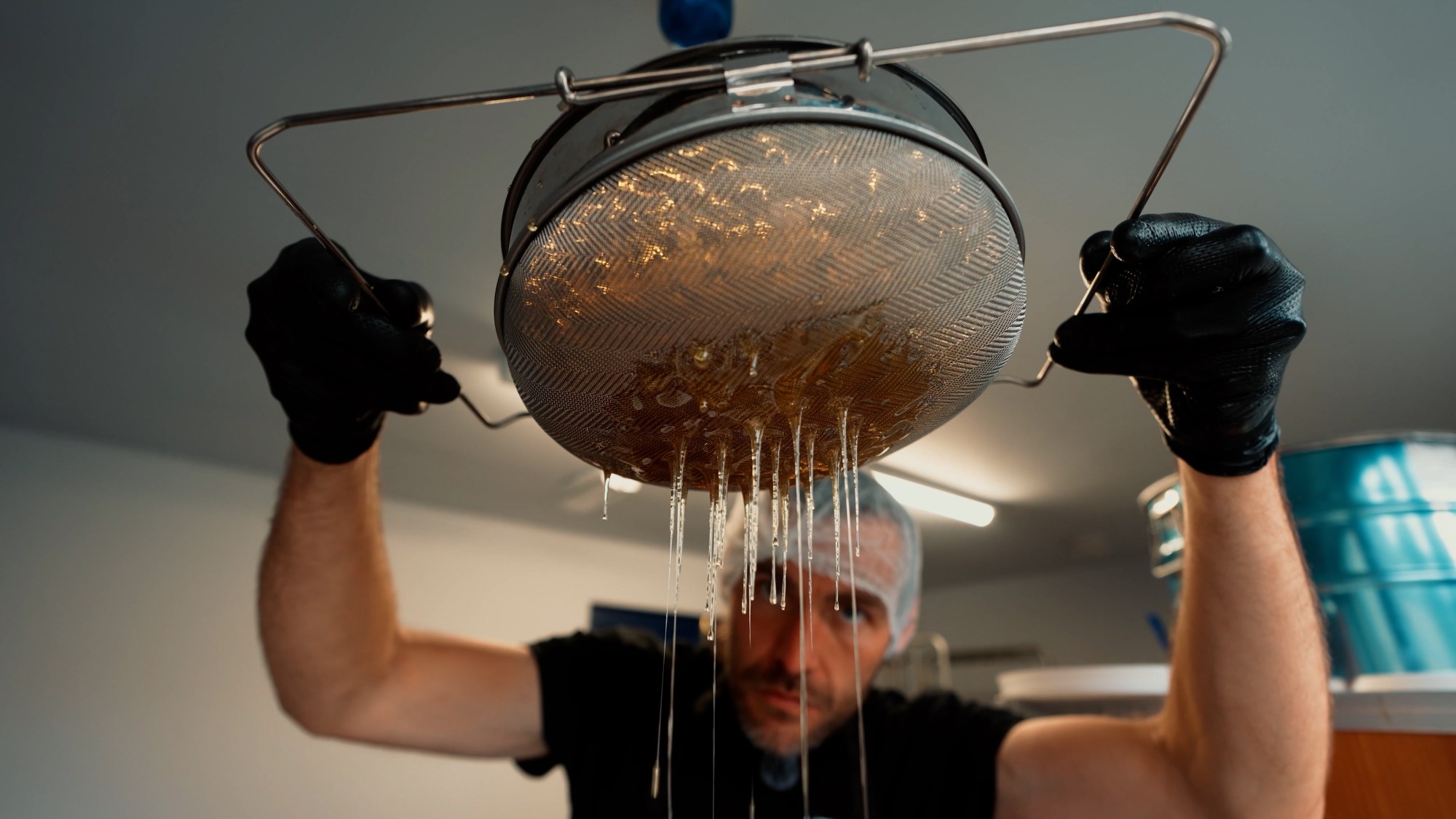
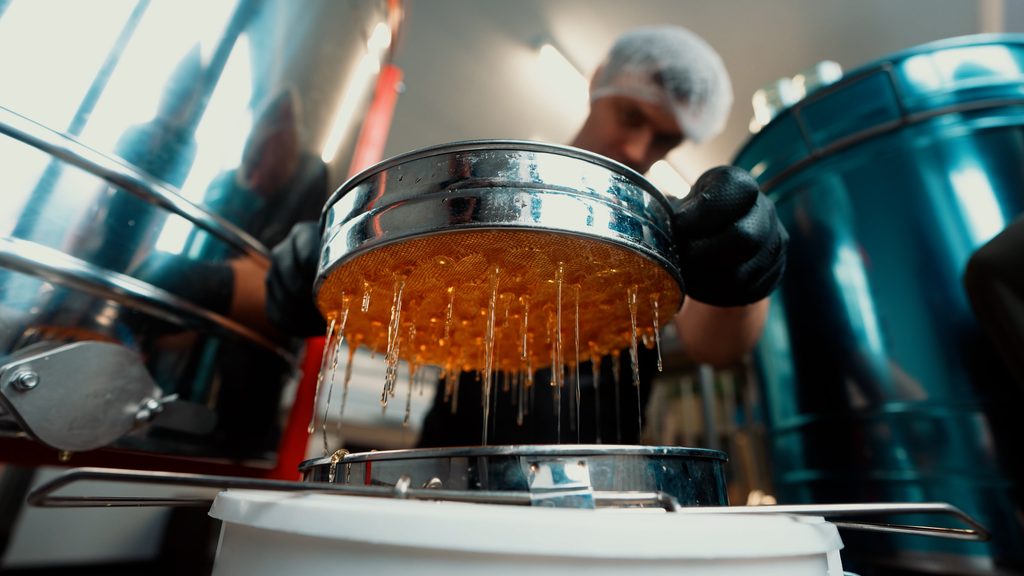
Once the honey left the extractor, it went through a coarse sieve into a settling tank, followed by a finer straining stage before jarring. Matt used an 800-micron sieve first and a 600-micron sieve afterwards.
Heather honey does not rush through a sieve. Matt worked in a warm room and used a spatula to keep the thick honey moving across the mesh. It is a good reminder to allow plenty of time for this part of the job rather than planning the whole harvest around how quickly your summer honey usually runs.
Once strained, the honey went through a jarring machine. Watching it go from a heavy frame on the moor to a finished jar brought home how much handling, equipment and patience goes into a heather harvest.
Use clean, food-safe equipment throughout. Check the water content with a honey refractometer and follow its instructions for taking a representative reading. Heather honey can ferment in storage, so it is worth checking your crop rather than guessing. If you plan to sell it, make sure you understand the food hygiene and labelling requirements that apply to you.
For a wider look at a honey harvest, you can also watch my full frame-to-jar honey extraction process.
Your heather honey harvest checklist
- Check that your crop is ready and that the bees have enough food left for their own needs.
- Plan how you will clear the supers, lift the boxes and transport them securely.
- Fit the clearer board the right way round and leave suitable space below it.
- Check the supers before removal and deal with any bees still on the frames.
- Uncap the frames and loosen the ling heather honey before spinning.
- Load and operate your extractor carefully to protect the comb.
- Allow time for straining, check the honey’s water content and use clean, food-safe equipment for jarring.
Useful kit for a honey harvest
A refractometer, a way to strain honey and straps for moving boxes can all be useful when you are planning the journey from hive to jar. Choose equipment that suits the amount you are handling and your own setup.
The product links below are Amazon affiliate links. I may earn a commission from qualifying purchases.
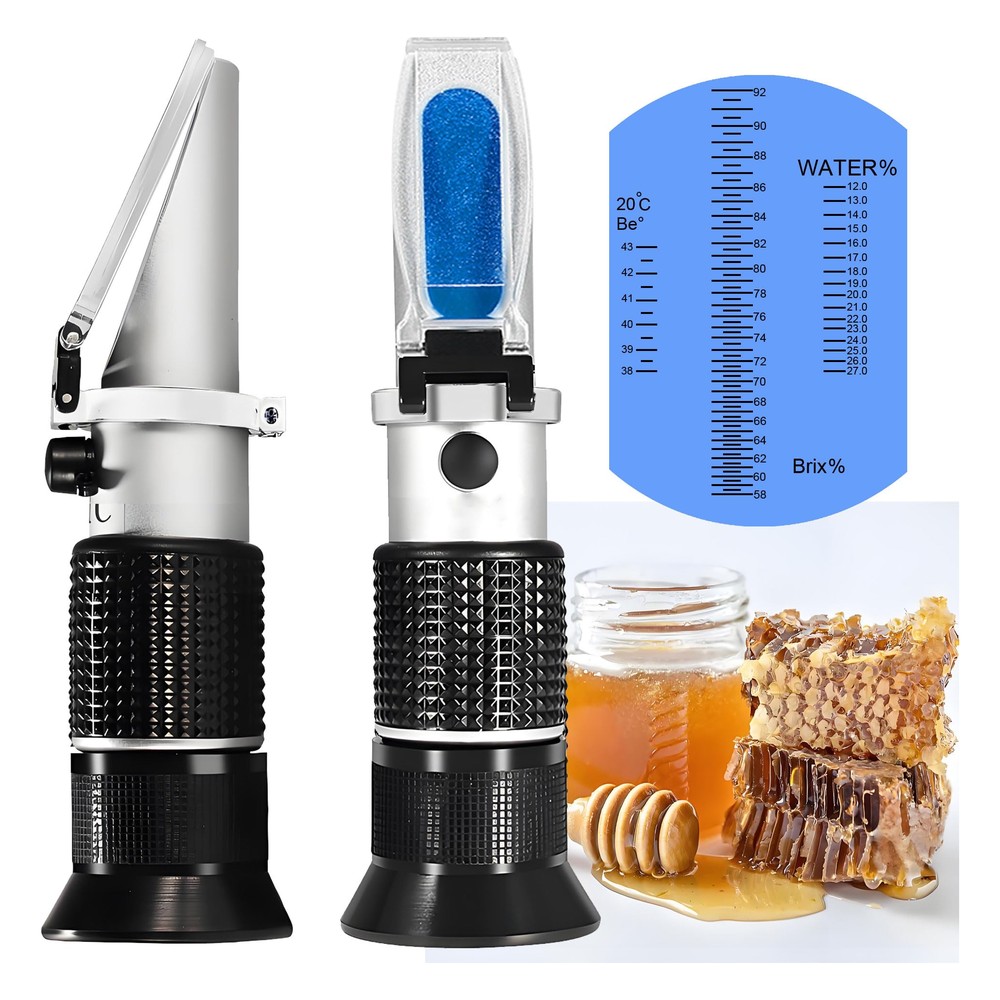
A V·RESOURCING honey refractometer gives you a way to check the water content of your honey before you decide how to handle and store it.
Recommended
V·RESOURCING Honey Refractometer (Brix, Baume and Water Scales)
A refractometer for checking the water content of honey, reading Brix, Baume and water. The difference between honey that keeps and honey that ferments.
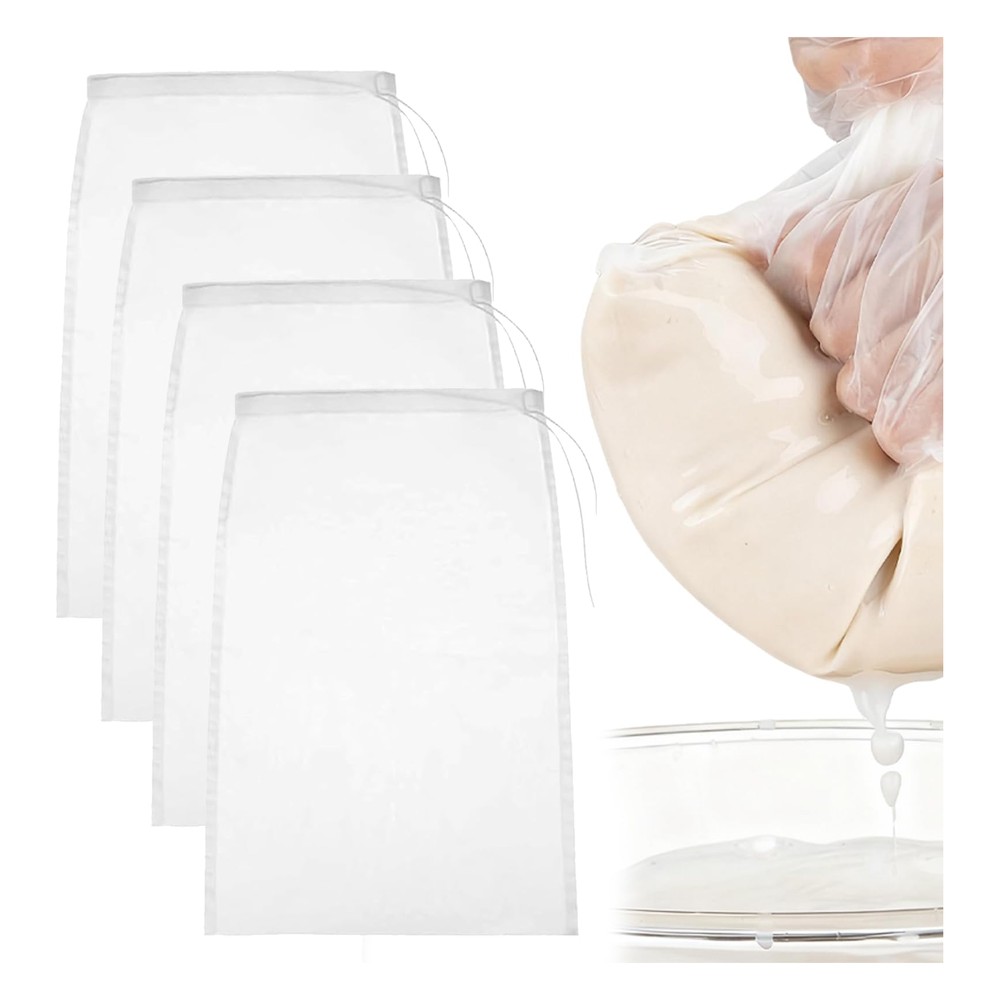
These TreeTribe reusable fine mesh filter bags are an option for straining honey on a smaller scale. They are different from the sieves Matt used, so check that the size and mesh suit your setup.
Recommended
TreeTribe Reusable Fine Mesh Filter Bags, 20 x 30cm (4 Pack)
Four reusable fine mesh bags, 20 x 30cm. For straining honey, wax and herbal infusions, and washable so they get used again and again.
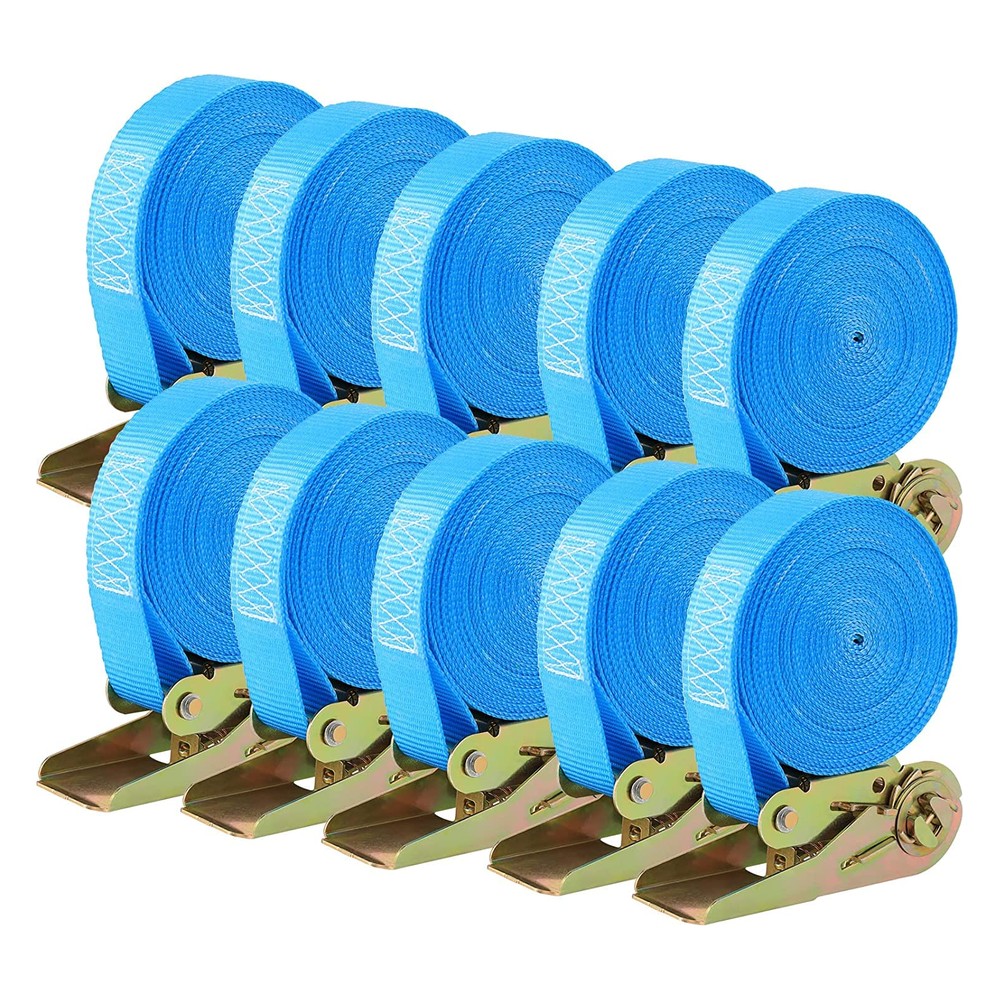
If you are transporting hives or boxes, TLGREEN endless ratchet straps are an option for securing your load. Plan the journey and make sure everything is properly secured before setting off.
Recommended
TLGREEN Endless Ratchet Straps, 6m x 25mm (10 Pack)
Ten endless ratchet straps, 6 metres by 25mm. No hooks to work loose, so they hold hives, boxes and pallets down on the trailer.
Get support with your own bees
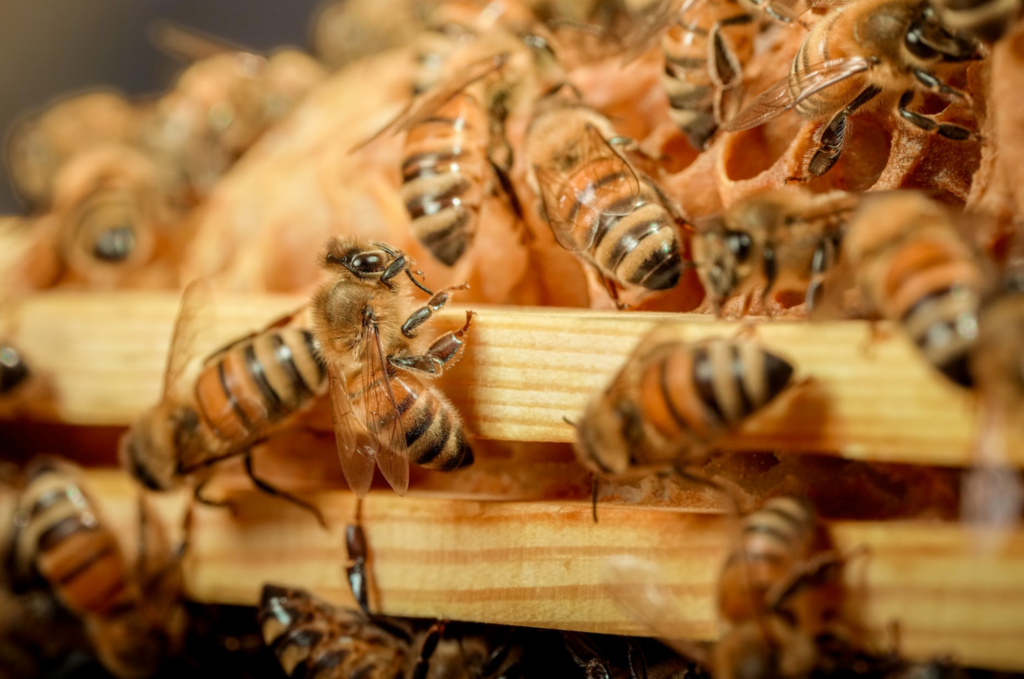
If you want somewhere to ask questions and share what is happening in your apiary, join HiveQ with 30 days free access. Just click on the link below:
Recommended
free HiveQ for 30 days
HiveQ is a private community of beekeepers supporting each other through the season, with answers from people who have already hit the same problem.
See the harvest for yourself
Harvesting heather honey takes more effort than a straightforward spin of a summer crop, but seeing those jars come out at the end makes the work worthwhile. To follow the journey from the Yorkshire moor to the extraction room, watch the full heather honey harvest.
Some links on this page are affiliate links. If you buy through them, we may earn a small commission at no extra cost to you.