A frame of capped honey holds two crops. The honey is the obvious one. The beeswax holding it together is the second.
If you’re working out how to recover beeswax from honeycomb, pressing lets you harvest both. You can follow the transformation from full frames to flowing honey and clean wax, then weigh up whether a hydropress or an extractor makes more sense for your own apiary.
The 20-litre hydropress I recommend
The product links in this guide are Amazon affiliate links. I may earn a commission from qualifying purchases.
If you’re here for my press recommendation, this is the 20-litre hydropress I’d buy for a small apiary. The large press used for this harvest is far more than you need for a couple of hives.
How to recover beeswax from honeycomb
The whole job takes you from honey-filled frames to a compact wax cake, then clean beeswax and frames ready to prepare for reuse. These are the main stages.
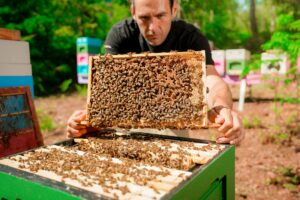
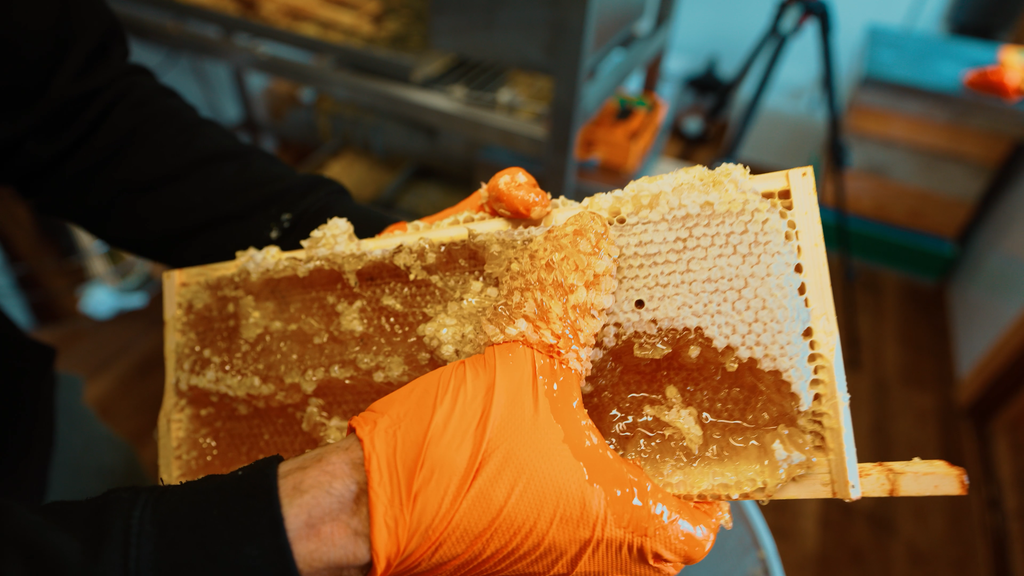
- Check the frames and cut out the comb. The honeycomb goes into a pressing bag, with every bit of wire and sharp material kept out.
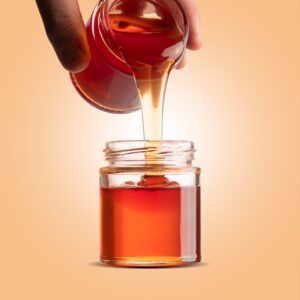
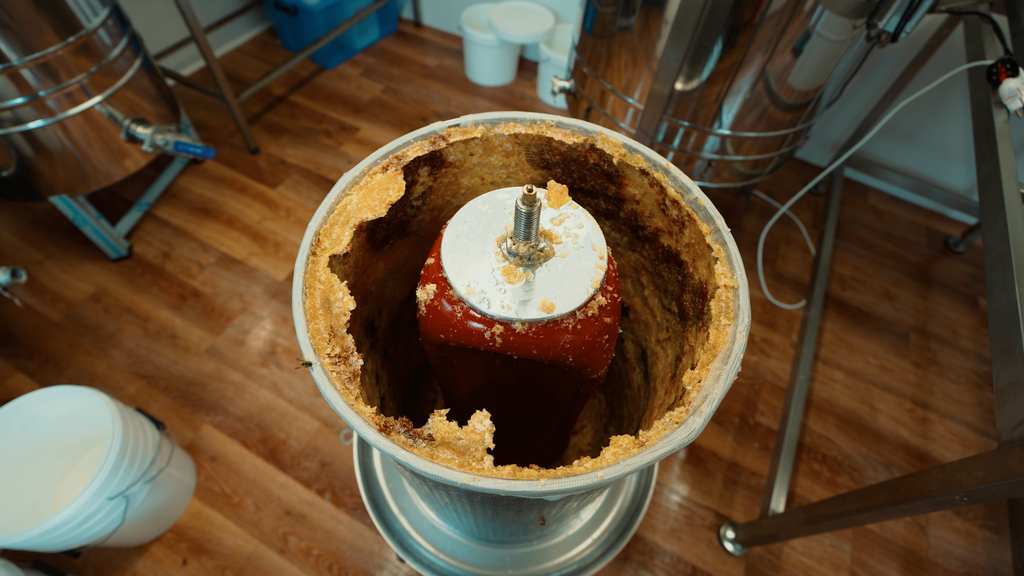
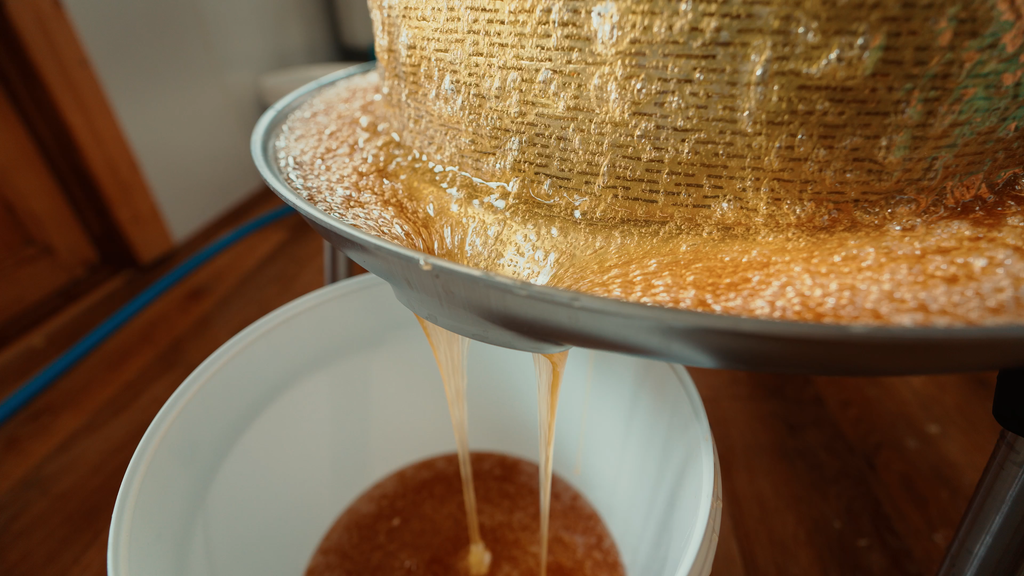
- Press out the honey. Mains water expands a rubber bladder, squeezing the comb against the cage. The honey collects in a covered bucket to settle before jarring; the wax stays inside.
- Remove the wax cake. Once pressing is finished and the pressure is fully released, the loose comb has become one compressed block.
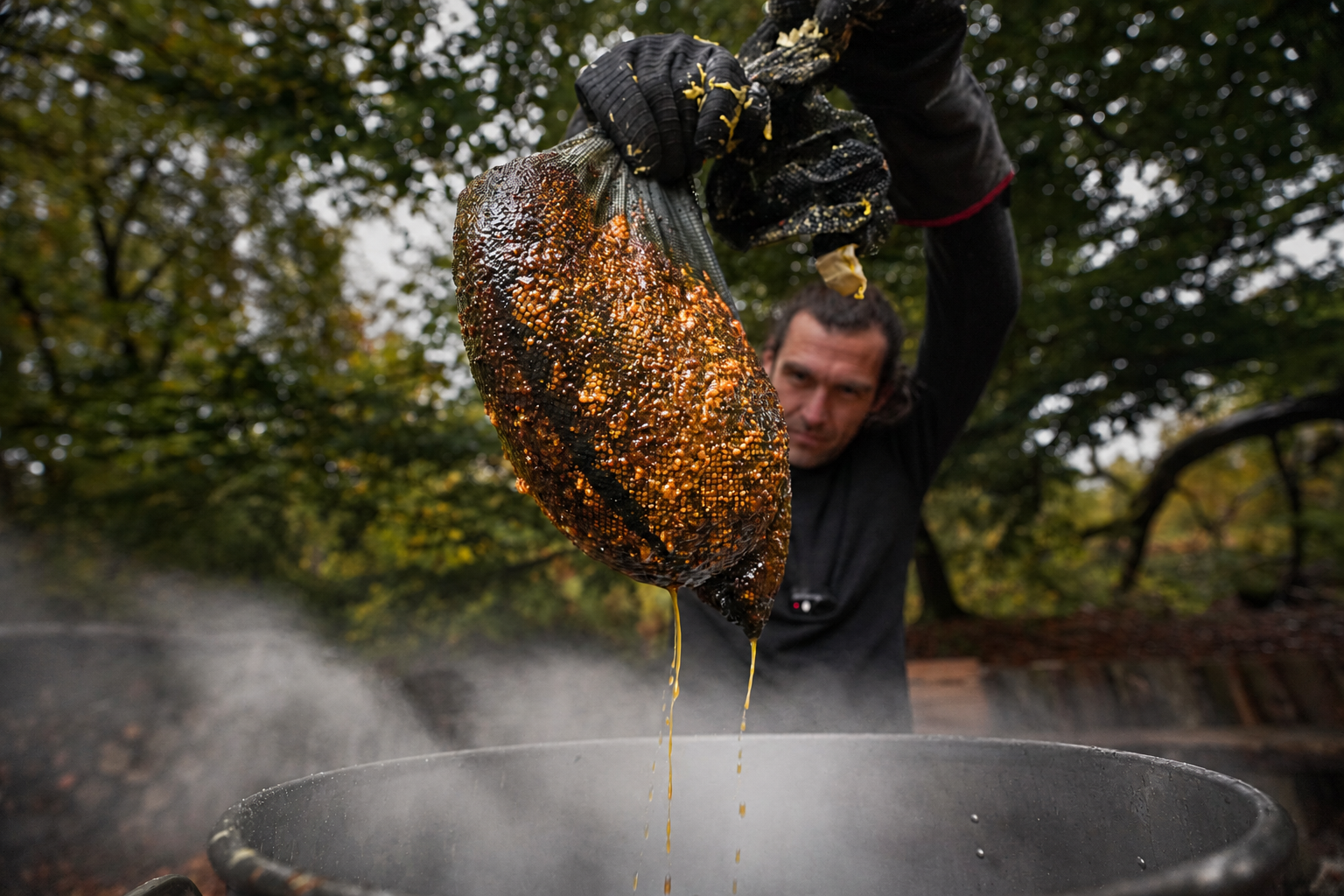
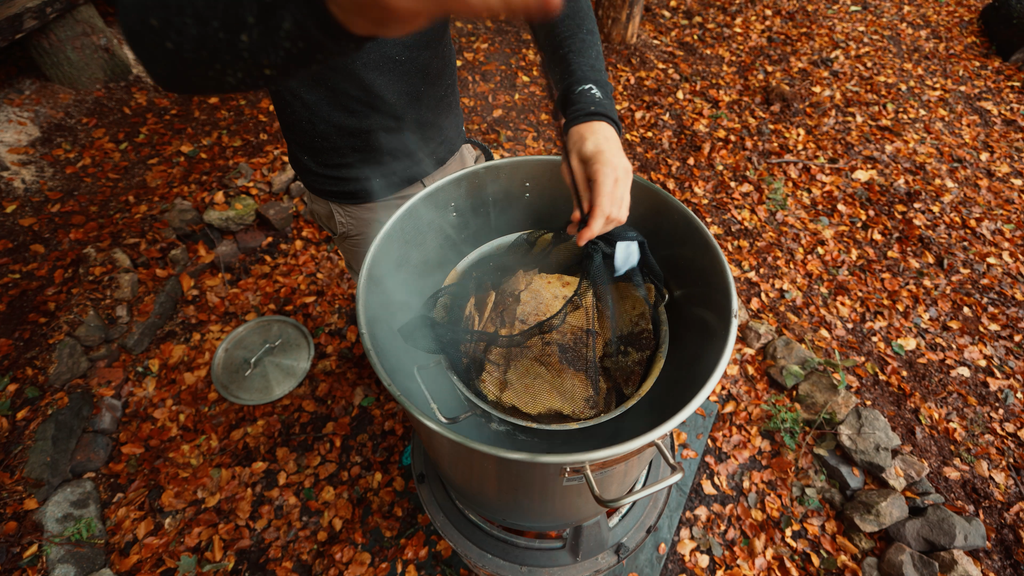
- Render and filter the wax. Indirect heat melts it, straining removes the debris, and a finer second filter takes out the remaining sediment.
- Prepare the empty frames. Clean away the rough wax and fit fresh foundation for the bees to draw into new cells.
A sharp wire can puncture the bladder and let water into your honey. Check every frame before any comb goes into the press, and follow your press’s operating instructions and pressure limits.
Cleaning beeswax is the satisfying part. That sticky cake becomes glossy golden wax, ready for its next use. Watch the full honey pressing and beeswax recovery process to see the transformation and the final reveal.
How much wax is in a super?
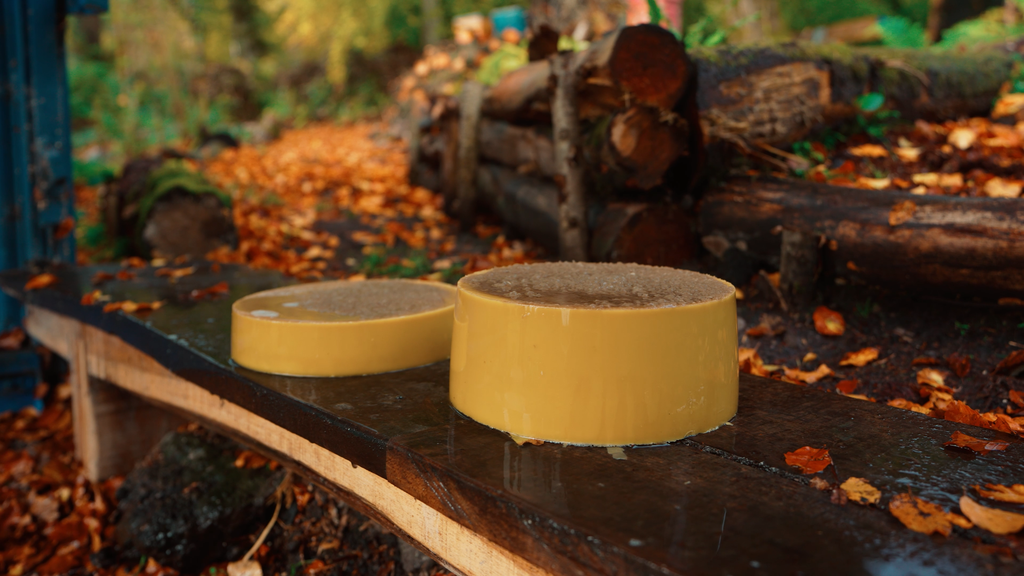
My harvest gave us 82.2 kg of honey and 7.8 kg of clean beeswax. My guess of 4 kg of wax was well out.
The clean wax weight is the number worth knowing. A pressed cake still contains pollen, propolis and other debris, so its starting weight tells only part of the story.
Whether you’re pressing honeycomb for wax or recovering beeswax from old comb, weigh it after rendering and cleaning. The honey was the crop we expected. The wax gave us a proper second harvest.
Hydropress vs extractor for beginners
Drawn comb is a valuable asset. The bees have already built those cells, and an extractor lets you remove the honey while keeping that work ready for next season.
I normally spin my honey because keeping the comb suits the amount I handle. Pressing the whole comb means the bees have to build it again. That costs them time and resources, and it belongs in your decision before you buy anything.
Why rebuilding comb can help a beginner
When you’re learning to manage a strong colony, maximum honey production may not be your first priority. Keeping the colony together and staying on top of swarming can matter far more.
Giving the bees comb to build can help ease swarm pressure. That building work is one reason I think pressing deserves a fair hearing for beginners. A head start from drawn comb is worth very little if the colony then swarms and you struggle to keep it productive.
You still need to inspect, give the colony room and act on swarm preparations. My guide to stopping bees swarming covers that wider job.
Buy for the harvest you’ve actually got
For a couple of hives, compare the space, cleaning and handling involved in the whole setup. A small hydropress can be easier to store and justify than an extractor with all the equipment around it.
With a very small harvest, a simple crush-and-strain setup may be enough. As your harvest grows, an extractor can become worthwhile because it handles frames while preserving the comb.
A hydropress also earns its place with ling heather honey. That gel-like honey needs agitation and suitable extraction equipment, or you can press it from the comb.
That’s why I think a good hydropress can be a worthwhile investment. You can harvest honey, recover wax and choose a setup that suits your beekeeping now. For the equipment decision in more depth, watch my hydropress vs extractor comparison for beginners.
Already have an extractor? Press your wax cappings
You can keep your drawn comb and still get plenty of use from a hydropress.
Uncap the frames, extract the honey, then use the press to recover the honey trapped in the wax cappings. The main comb stays ready for the bees, while the press helps you make more of the harvest you’ve already taken.
That gives the press a useful job even if you later buy an extractor. You can use both in the same setup as your beekeeping grows.
Useful kit for pressing and recovering beeswax
For this job, the press, a suitable bag and a good knife handle the honey side. A mould gives you another way to put the recovered wax back to work afterwards.
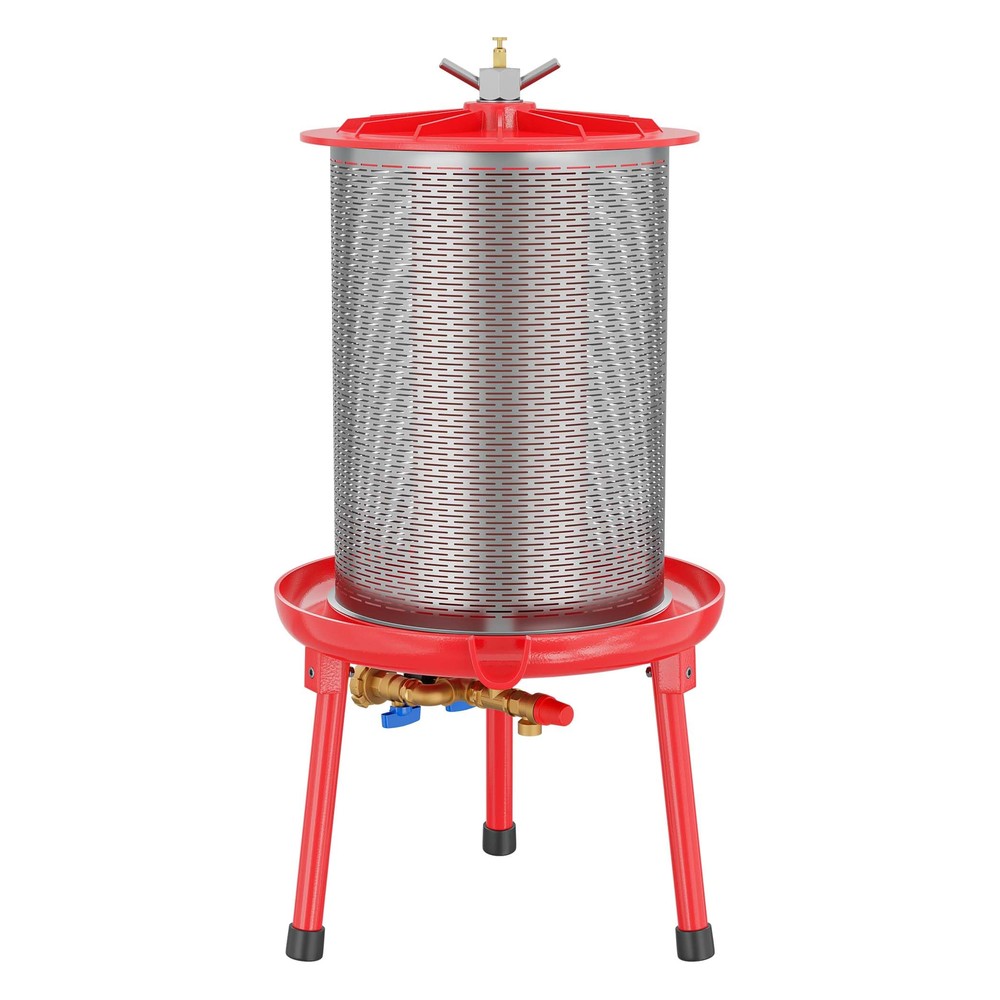
The 20-litre hydropress is the size I’d choose for a small apiary. It’s powered by mains water and comes with a press bag and splash guard.
Recommended
Hydropress 20L Stainless Steel Water Press
A 20L stainless steel press powered by your mains water at about 3 bar. Comes with a press bag and splash guard. Built for fruit, handy for honeycomb too.
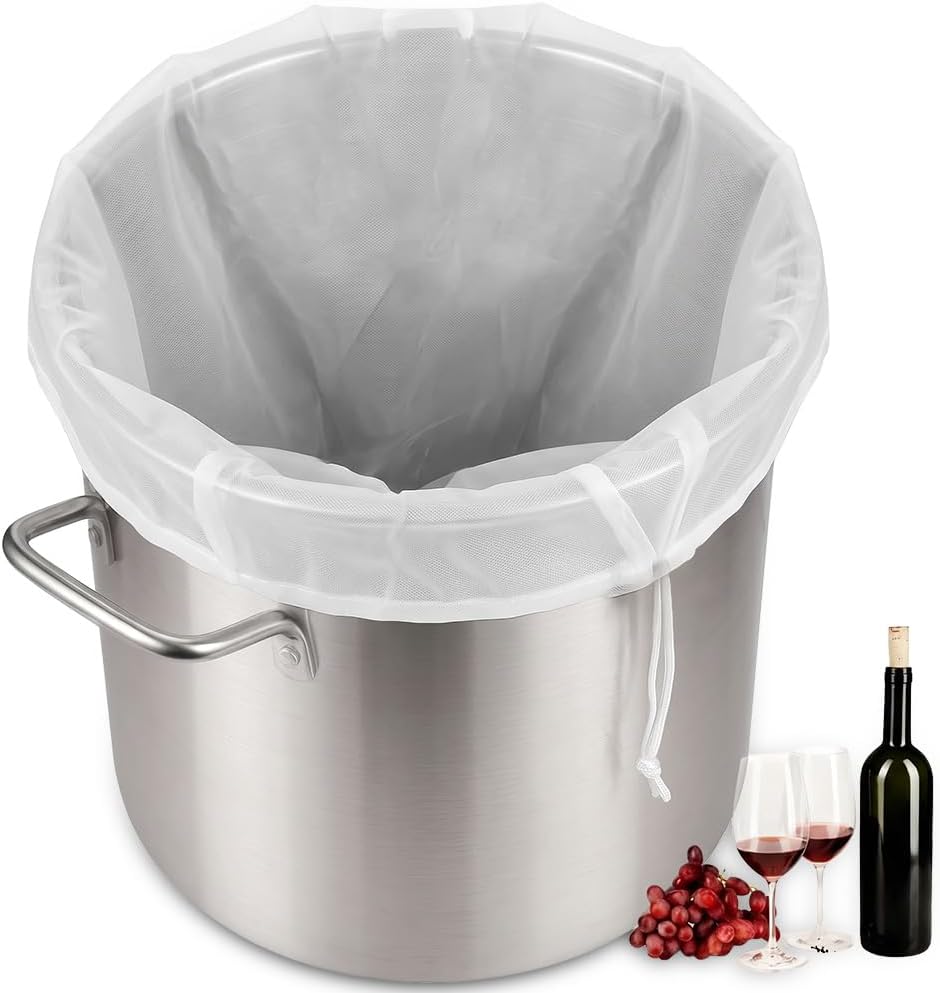
Honey pressing bags hold the comb while the honey passes through. Check the size, mesh and fit against your press before ordering.
Recommended
Honey pressing bags
Amazon – Honey pressing bags
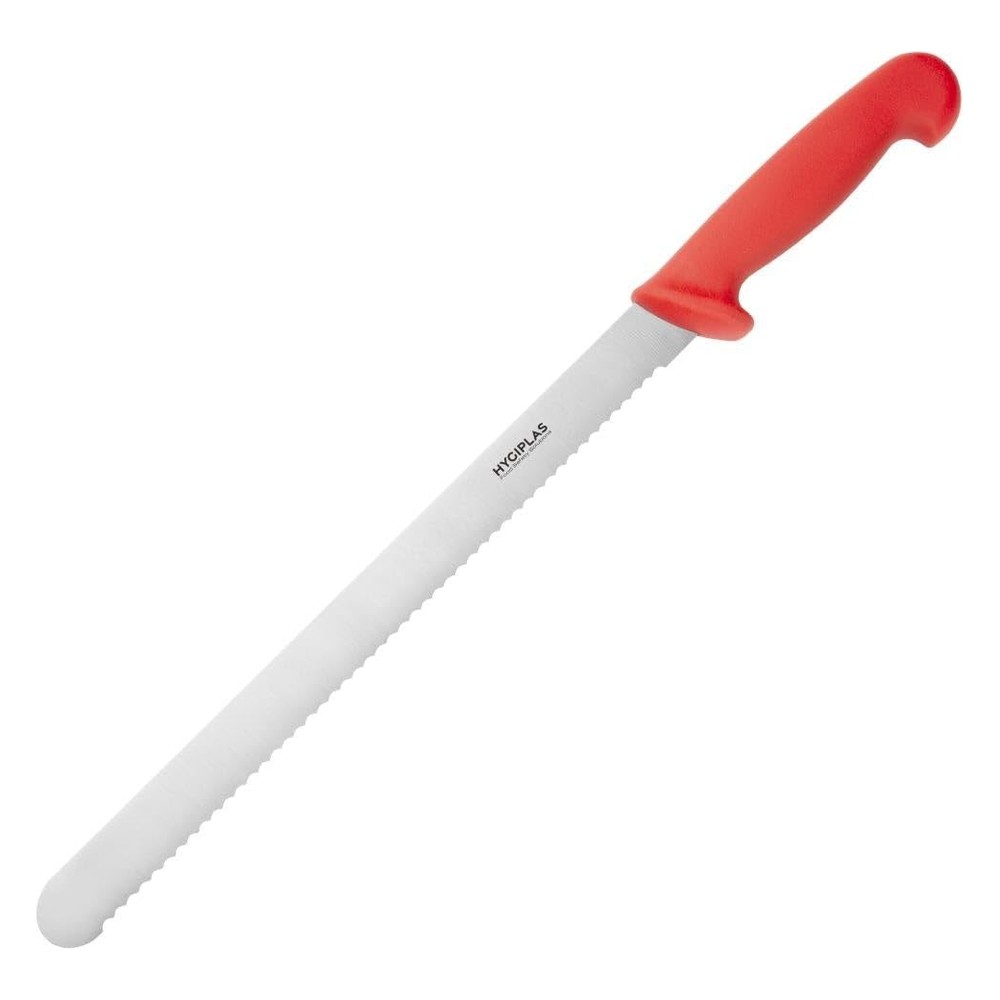
The long blade on this 30 cm serrated slicer knife is useful for cutting comb out of the frames.
Recommended
Hygiplas 30cm Serrated Slicer Knife, Red
Laurence’s go-to knife for uncapping honey frames. A 30cm serrated stainless steel blade with a soft-grip handle. Sharp, cheap and dishwasher safe.
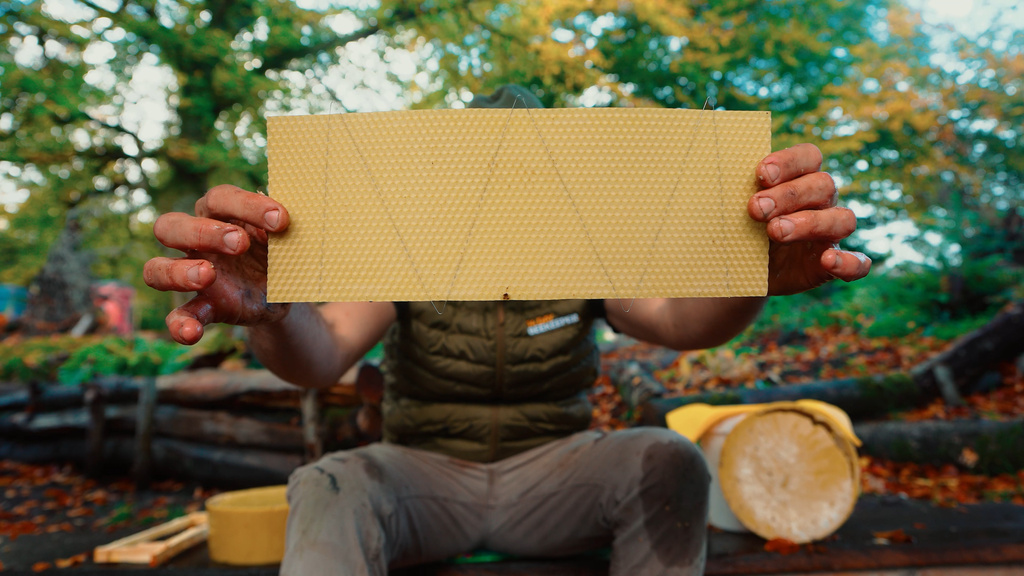
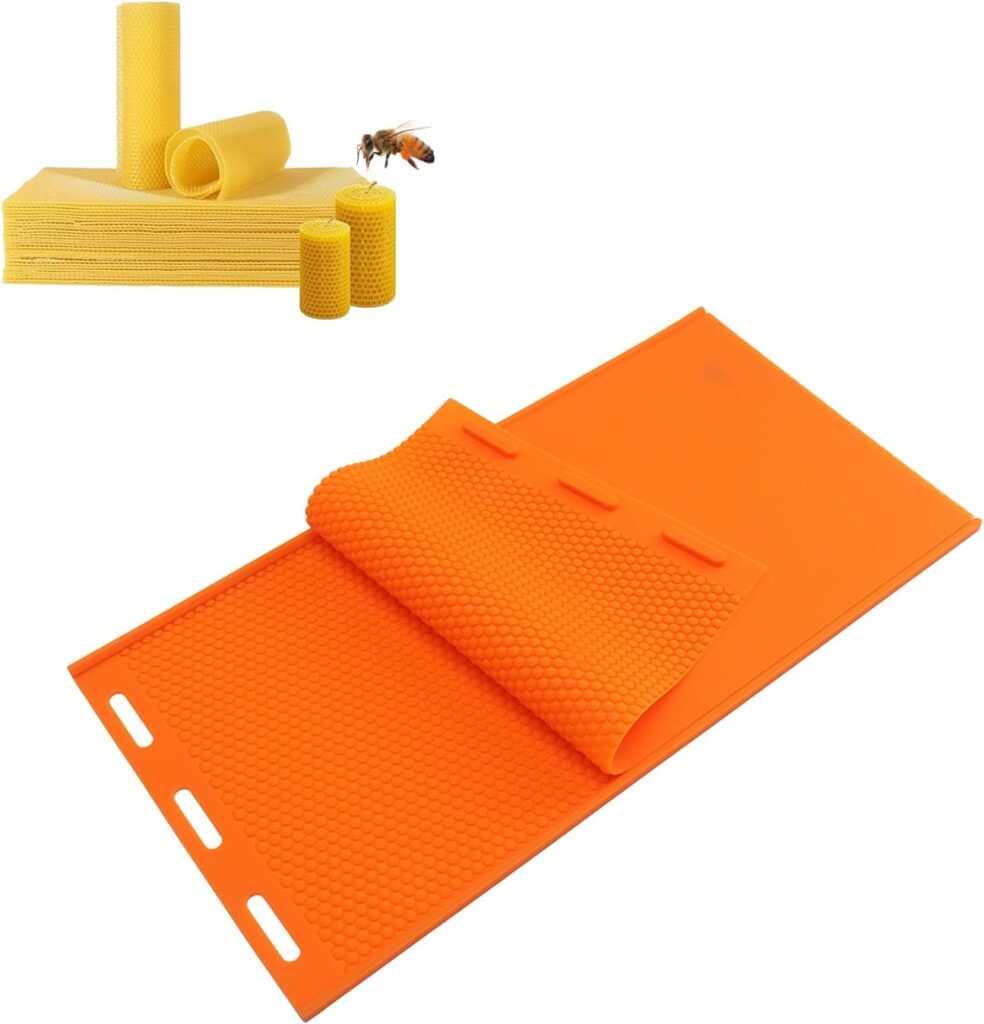
A silicone beeswax mould sheet is the next stage if you want to turn your clean wax into foundation. The bees will still need to draw the sheets into full cells.
Recommended
Silicone beeswax mould sheet
Silicone mould sheet for shaping beeswax.
Make the right decision for your bees
Learning how to recover beeswax from honeycomb gives you another way to use your harvest. The choice between pressing and spinning also affects your equipment, your drawn comb and the work the colony has next season.
These are the decisions we help you understand in 14 Day Beekeeper. Come and join us to build your skills and choose a way of keeping bees that works for you.
Some links on this page are affiliate links. If you buy through them, we may earn a small commission at no extra cost to you.