If you need to requeen a beehive because a colony has become aggressive, leaving the old queen caged in the brood area can sound like a clever shortcut. I tried it because the logic made sense. After testing it, I no longer recommend skipping the queen-cell check. Some colonies still produced emergency or supersedure cells.
In this guide
- What the caged-old-queen method was meant to do.
- What I found after testing it.
- Why I still check for queen cells before introducing a replacement.
Why the method seemed sensible
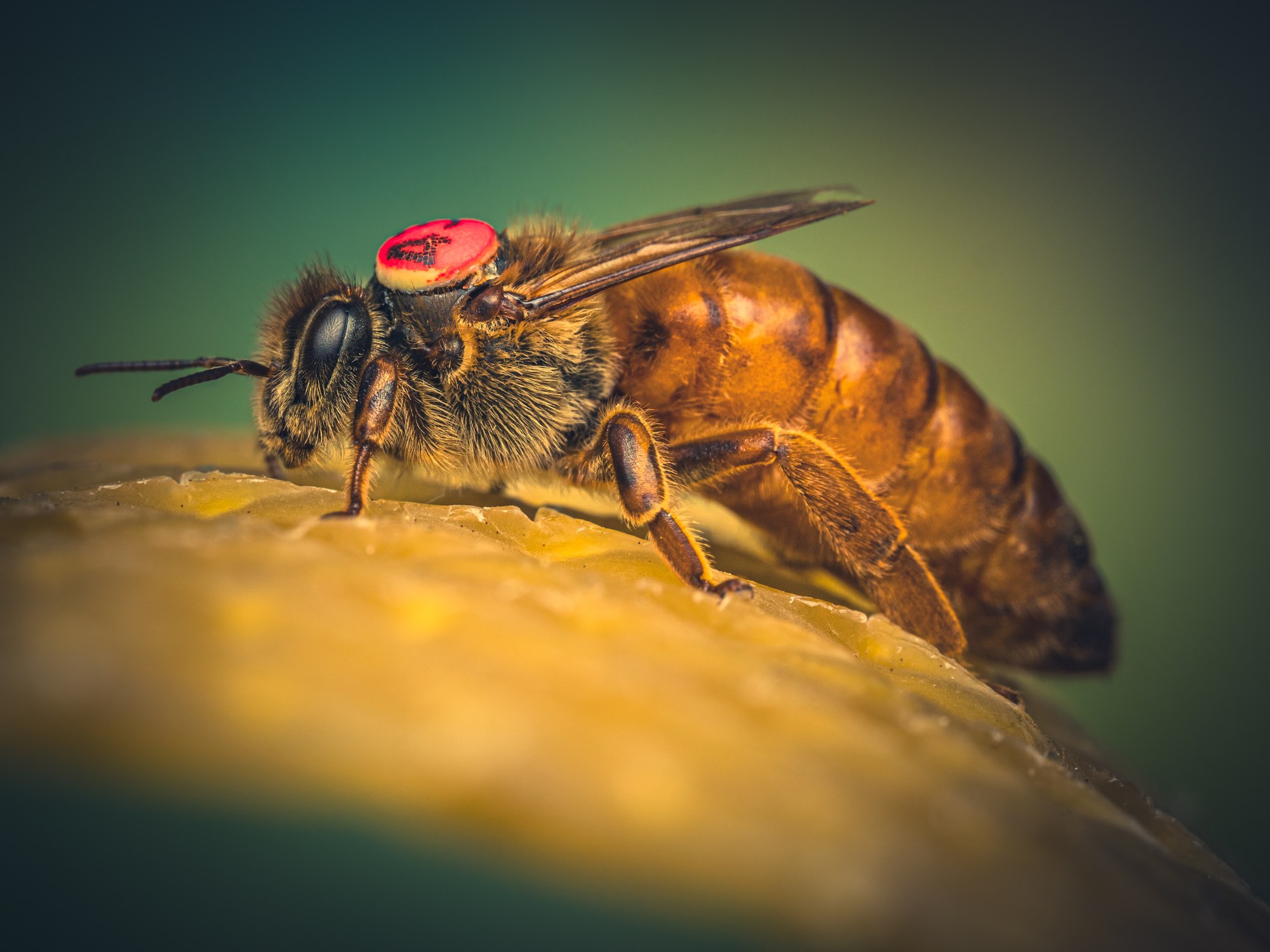
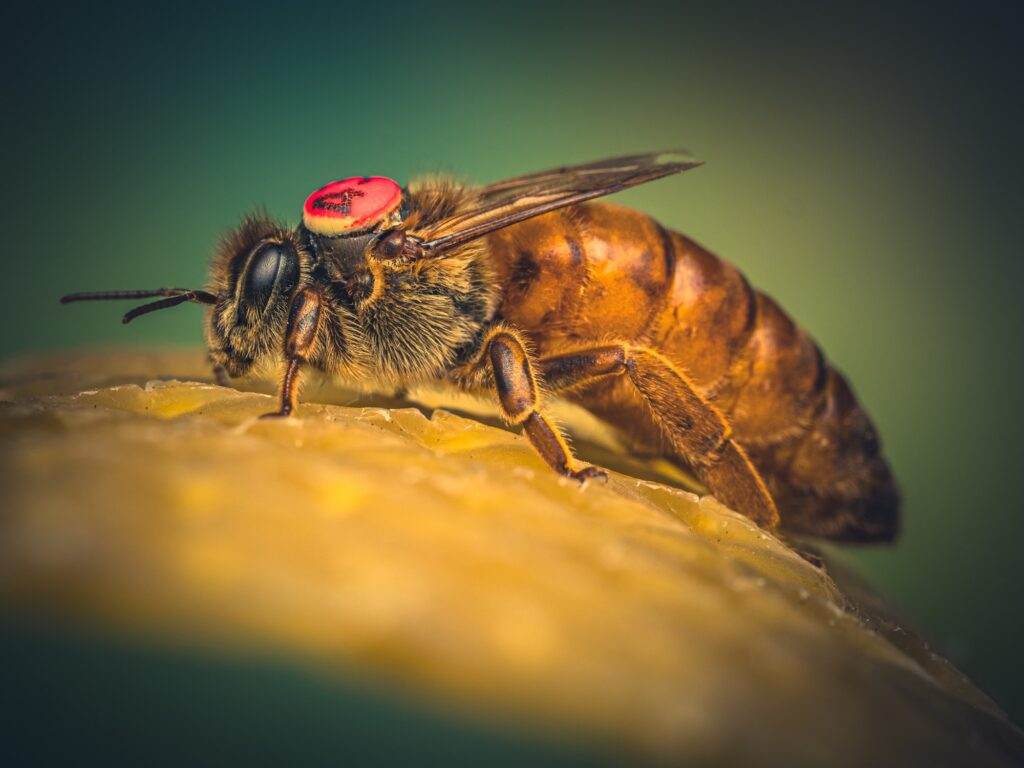
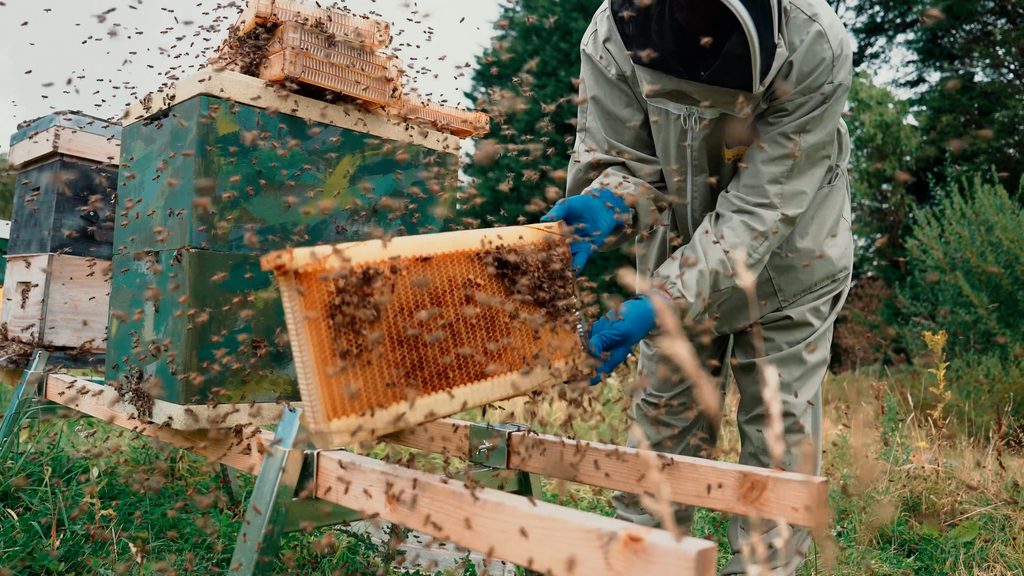
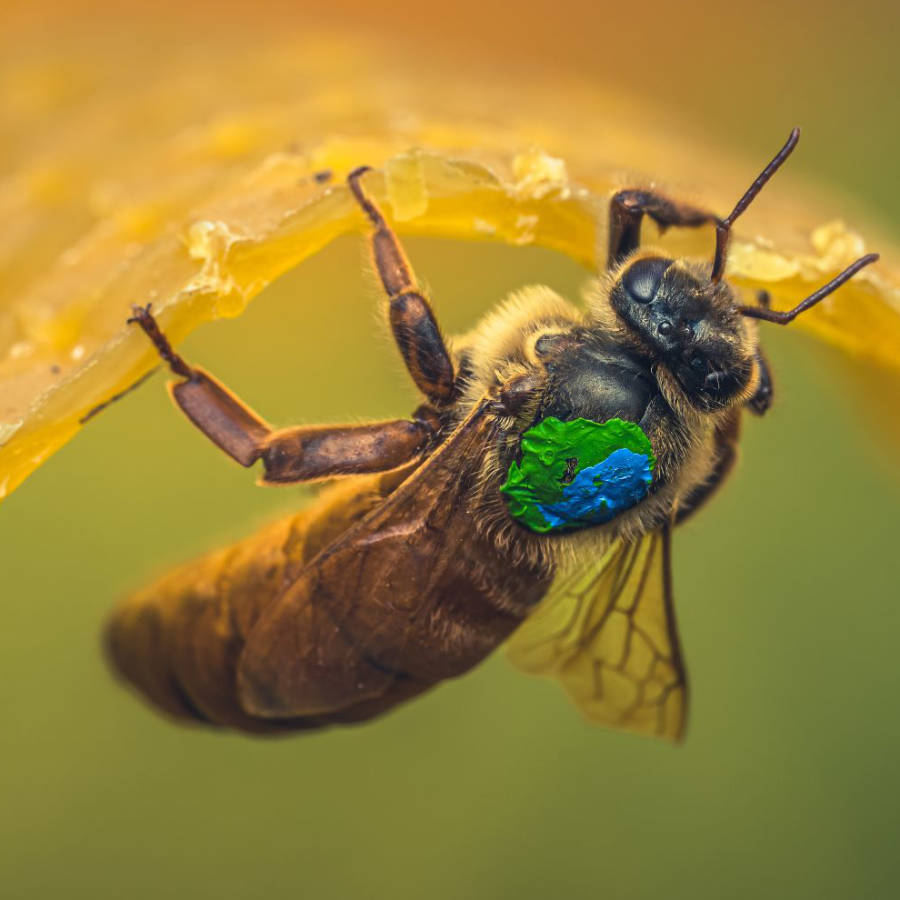
Someone emailed me this caged-queen method for requeening an angry hive. Instead of killing the old queen, you put her in a sealed postal cage and return her to the brood area. You leave her there for eight days, then swap her cage for one holding the new queen.
The idea was to keep the old queen’s pheromone in the colony while she could not lay. That sounded as though it might prevent emergency queen cells and save a difficult second inspection.
With the new queen in her cage, the method was to wait 24 hours before opening the fondant tab. The bees would then release her by eating through the fondant.
What testing showed me
After trying the method, I found that some colonies still produced emergency or supersedure cells while the old queen was caged. Her presence did not reliably stop them.
If you assume there are no cells and introduce the new queen without checking, you risk a failed introduction. That is the problem with relying on the shortcut. It can look sound on paper and still leave you with queen cells in the brood nest.
How not to requeen a beehive
Don’t treat a caged old queen as proof that the colony has not started queen cells. Before you introduce a replacement, inspect the brood frames and look for emergency or supersedure cells.
The old queen’s pheromone may be part of the logic, but it doesn’t give me enough confidence to skip that check. I would rather take the time to inspect than risk missing a cell and losing the new queen.
Where to go next
If you need to requeen a beehive, use our step-by-step guide to the standard requeening method. It covers the emergency queen-cell check and the new-queen introduction.