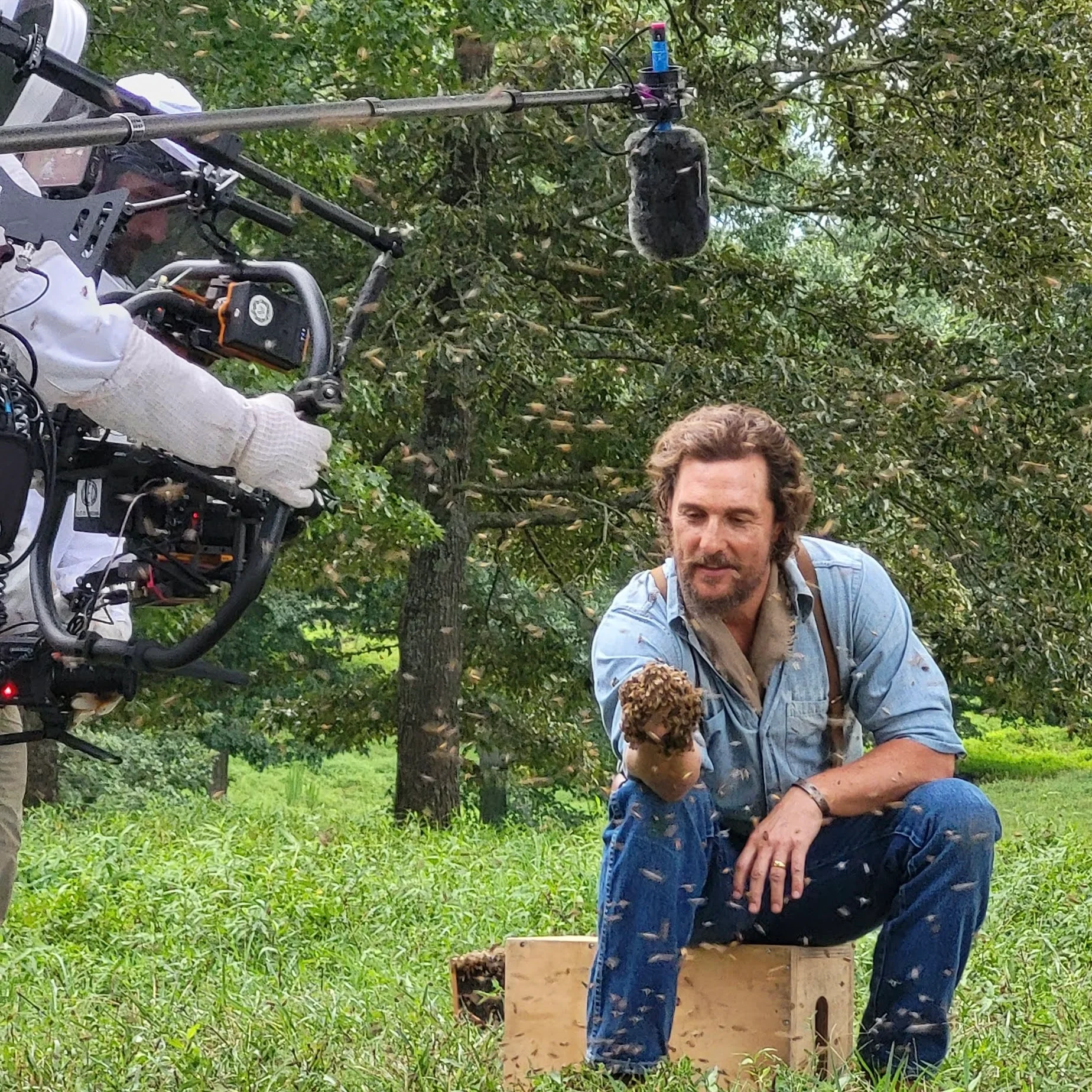
There was one filming day left. The first queen had died. Thousands of bees were 20 feet up a tree, while Matthew McConaughey stood below waiting for them to cover his arm.
Adam Hickman knew they would come down. The queen was in Matthew’s hand and the bees would find her. The film crew did not have the same confidence. They had no backup day, the director wanted the scene without veils, and a lot of money was riding on it.
Within about 40 minutes, the bees began scenting on Matthew’s hand. The cluster came out of the tree and built until he had 10 to 12lb of live bees covering his hand and arm up to the elbow.
What this episode covers
- How five Alabama beekeepers brought real bees onto a film set
- The training that helped Matthew handle a hive, a frame and a queen on camera
- How the team prepared a calmer package with a high proportion of young nurse bees
- What happened when the bees flew into a tree on the final day
- The personal piece of beekeeping history Adam managed to get into the film
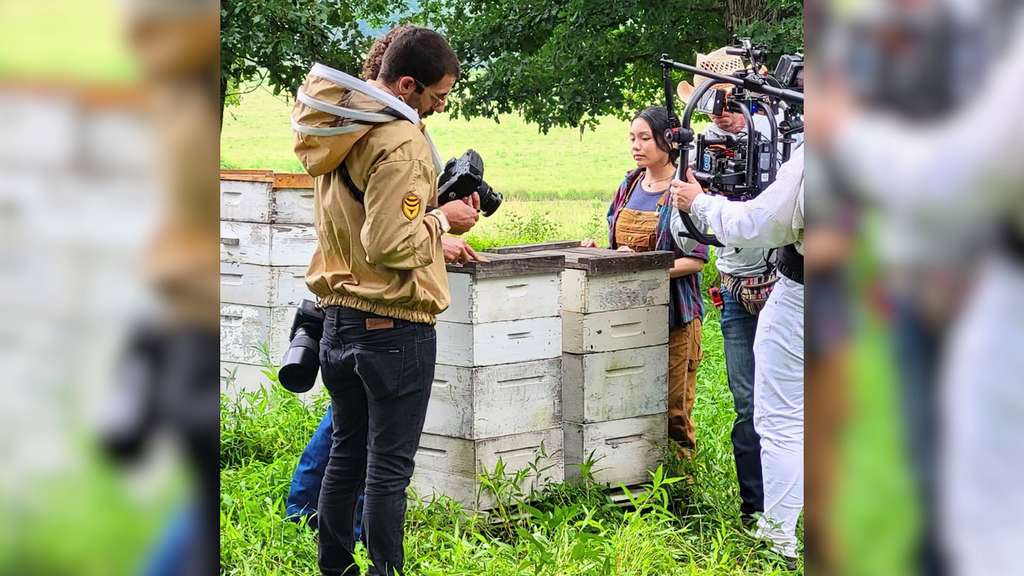
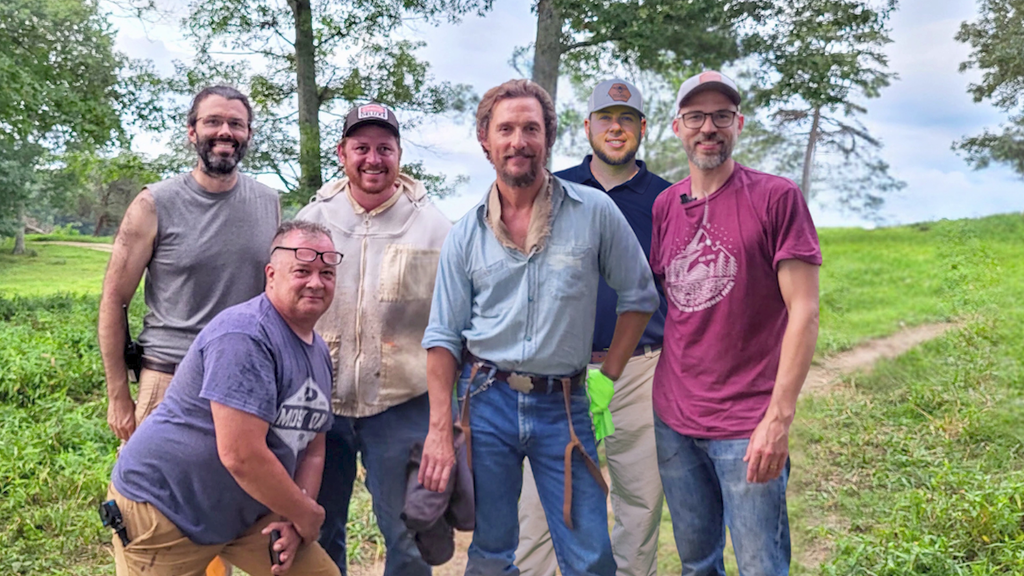
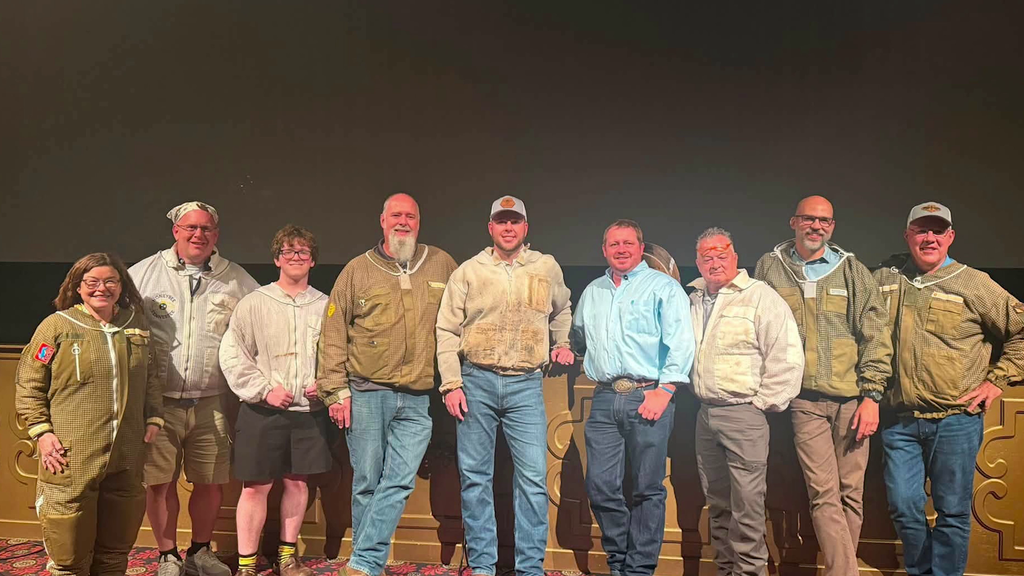
Five beekeepers made the scenes possible
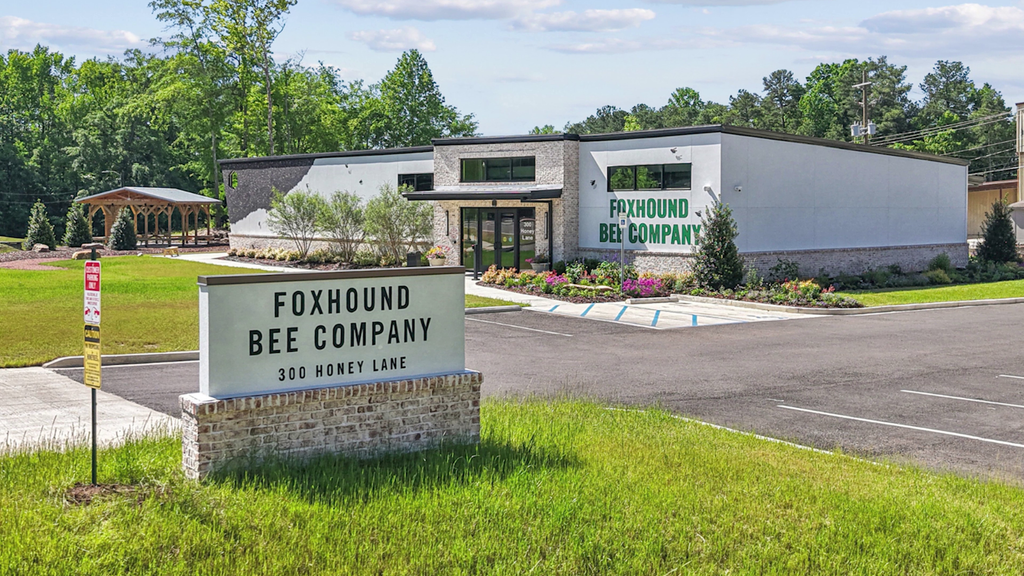
Adam owns Foxhound Bee Company in Birmingham, Alabama. He started beekeeping as a hobby in 2012, built the business alongside it and eventually left his job to work with bees full-time.
The film opportunity began when a member of the production team visited his old shop looking for inspiration. She later spent time opening hives with Brian Booth from Adam’s team. That visit led to a meeting about consulting on the beekeeping scenes in The Rivals of Amziah King.
Adam said yes, with one condition. He needed a proper team.
Tyler Walker supplied many of the colonies. Brian Booth brought his engineering experience. Another member of the team helped design the cut-out set. Justin Hill brought the experience of a local honey producer. Adam coordinated the work and helped the production team turn the scenes into something the actors could perform safely.
About 30 colonies were moved to Adam’s shop before they could go to the set. Different scenes used a mixture of Adam’s and Tyler’s bees. Adam was careful to share the credit. In his words, they were “our bees”.
Matthew learned the same way every new beekeeper does
About a week and a half before filming, Adam met Matthew and the other actors at a private apiary. They spent an afternoon opening hives and learning the basics.
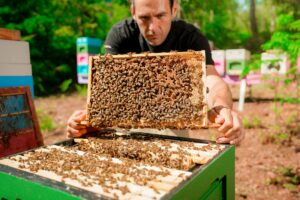
Adam showed them where to stand, how to hold a frame and how to move it without losing control. Matthew tried different hive tools and preferred a J-hook. They also looked at queens, workers and drones because the script referred to each one.
The biggest lesson came when the hives were open.
“It doesn’t matter who you are. You are the same when you open a beehive for the first time.”
Adam said Matthew asked the same questions as anyone else. What is that in the cell? Why do the bees store pollen? What are the nurse bees doing? Once the hive was open, the celebrity part fell away and they were simply talking about bees.
Matthew took the work seriously. Adam gave him an empty frame and a hive tool to practise with. By the time the cameras rolled, the way he handled a frame looked convincing to a beekeeper.
The team prepared the bees before the cameras arrived
Adam had never made a bee beard before this job. He understood the biology, but the team still practised the scene before asking an actor to do it.
They wanted a package containing a high proportion of young nurse bees. Adam explained that older bees are more likely to sting, while nurse bees tend to stay focused on the queen and brood.
The preparation started inside the colonies. The team added plenty of capped brood so more young bees would emerge. Before making the package, they moved the hive about 30 yards. Many of the flying bees returned to the old location, leaving a greater proportion of nurse bees behind.
They used the colony’s own queen rather than adding an unfamiliar one. They also made two large packages, giving the production a backup.
The packages had to remain calm for a full day. Adam drove to the set at about 5 or 6am, but the large bee scenes were filmed in the evening. He kept the bees cool in an air-conditioned truck and checked them roughly every hour. He sprayed them with sugar water so they stayed fed.
Adam’s aim was simple. Use the youngest bees they could, keep them cool and fed, and give them a queen they already knew.
Then the bees flew into a tree
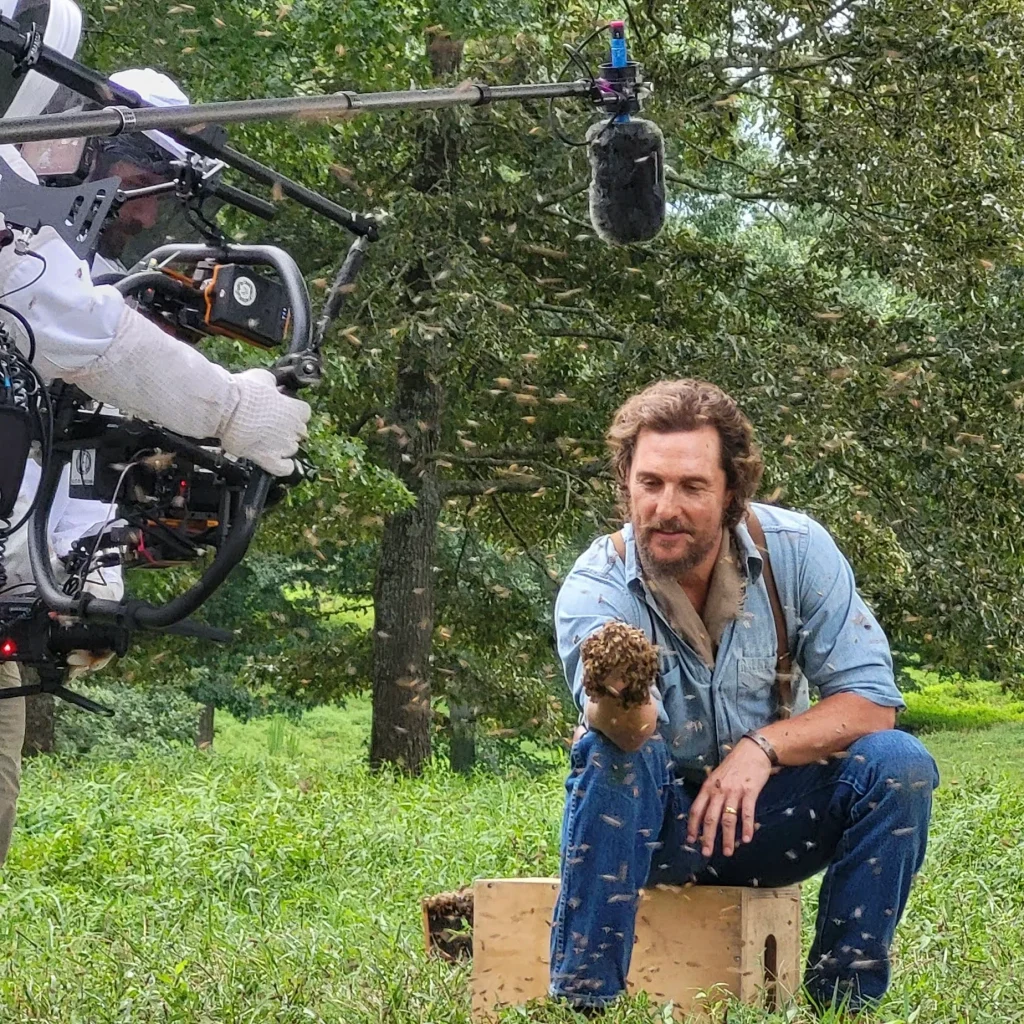
For the main scene, Matthew held the queen so the camera could see her. The team began releasing bees around him, expecting them to gather around his hand.
The bees rose too high. Most of them settled in a tree about 20 feet above the set.
The beekeepers expected them to return to the queen. Matthew, the director and the crew could only see that the bees needed for the scene had disappeared into a tree.
The team released the remaining bees near Matthew. Once some began exposing their Nasonov glands and scenting on his hand, the cluster above started to respond. During the final 20 minutes, the bees came down quickly.
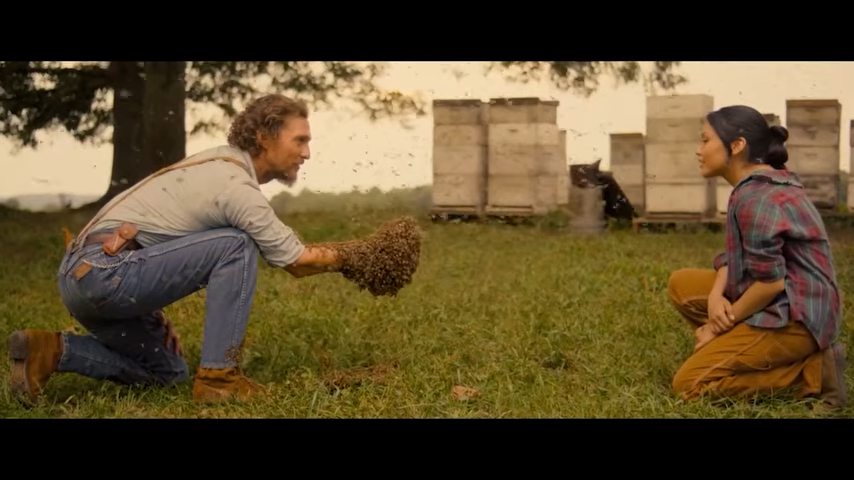
The weight built until Matthew had 10 to 12lb of bees on his arm. He could feel it and asked the team to move the scene forward. The director then got the shot of him standing and shaking the cluster away.
Good preparation left room for real bee behaviour
Adam could prepare the colonies, practise the handling and build contingency plans. He could not order the bees out of a tree.
The first queen prepared for the scene had died, so the backup package became essential. An animal welfare representative was also present, and the team had to recover the queen after the shot. The director had chosen to film without veils, which meant everyone needed to understand the remaining risk.
The production counted five stings among actors and crew, excluding the beekeepers. Matthew was stung once during training and once on the thumb while filming. The second sting happened when he accidentally trapped a bee while handling a frame. He calmly asked Adam, who was standing just out of shot, to remove the stinger.
One early sting also forced the production team to take the risk more seriously. Adam felt that it slowed things down at the right time. Real bees do not follow a shooting schedule, even when the beekeeper has done everything possible to make the scene safer.
Adam’s family history made it onto the screen
Adam worked with the props team to source equipment, extractors and the small details needed around the set. He kept Foxhound branding out of the background and asked for one personal item to be included.
The smoker used by Amziah in the film belonged to Adam’s great-grandfather. It was the object that first showed Adam that keeping bees was possible. The old smoker still works, has no protective cage and looks right for the character.
For Adam, that mattered more than getting a company mug into shot.
What beekeepers can take from the shoot
The film set was unusual, but the planning will feel familiar to any beekeeper.
Understand the behaviour you are relying on. Practise unfamiliar handling before the important day. Choose a team with different strengths. Prepare a backup for the parts that can fail. Then accept that bees will sometimes do something else.
Adam finished with a sensible request. Watch The Rivals of Amziah King, enjoy the beekeeping scenes and have some fun spotting the details. Beekeepers will notice empty boxes moving too easily and other little film shortcuts. They will also see real bees, handled by actors who learned enough to make the important moments look right.