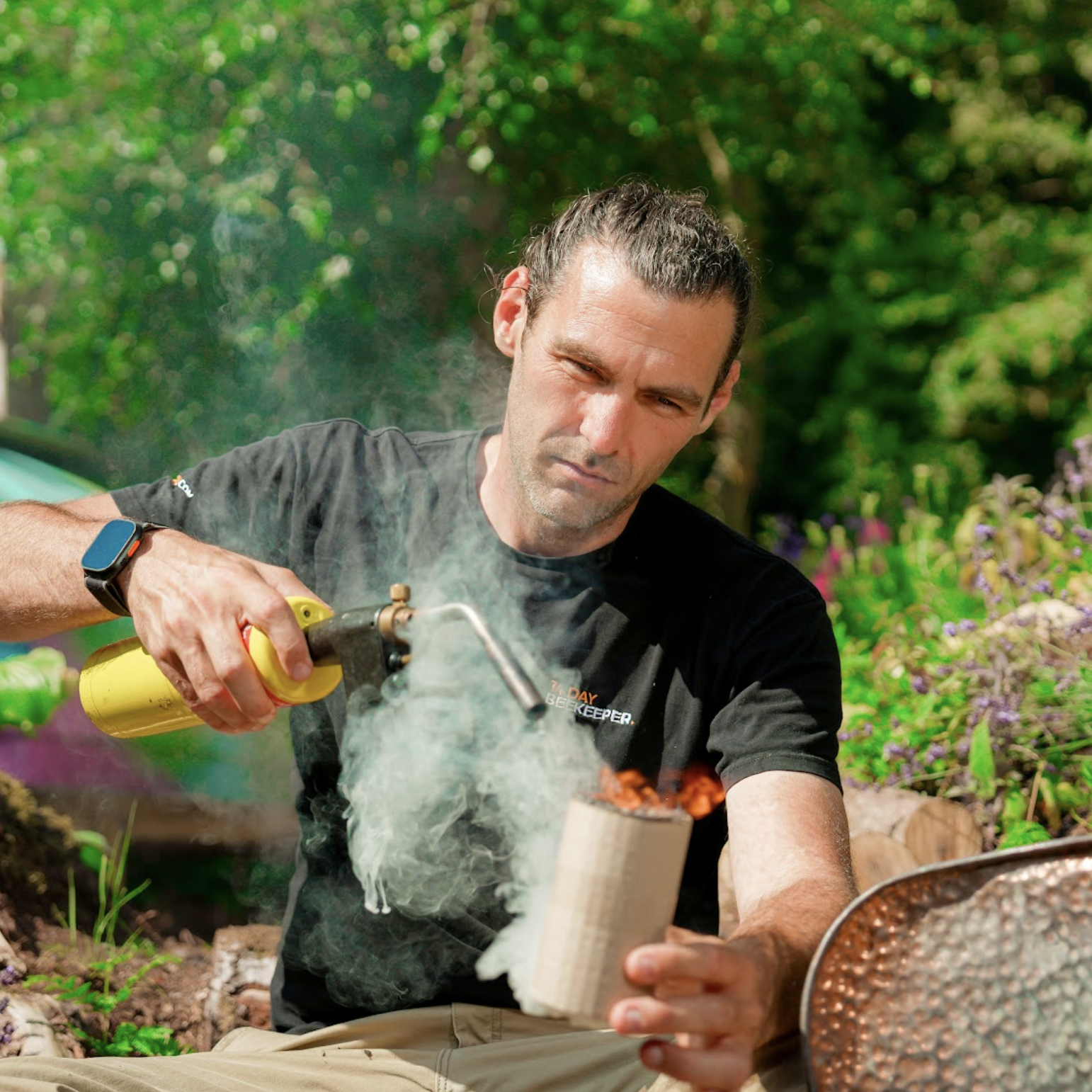
If you’re thinking about scaling a beekeeping business, I can probably save you a few expensive mistakes. I had 10 hives and decided I should have 100. Then I started buying equipment for 200, before I’d even worked out whether I enjoyed running that many bees.
A first-year beekeeper recently came on the podcast with three full-sized colonies, five nucs and local shops asking for honey. He also worked full-time at his family’s hotel. There was a real opportunity there, but he wanted to grow without getting himself into trouble or letting the bees suffer.
I wish I’d asked those questions before I bought all my equipment. So if you’re in a similar position, let’s work through what I’d think about before taking on more colonies.
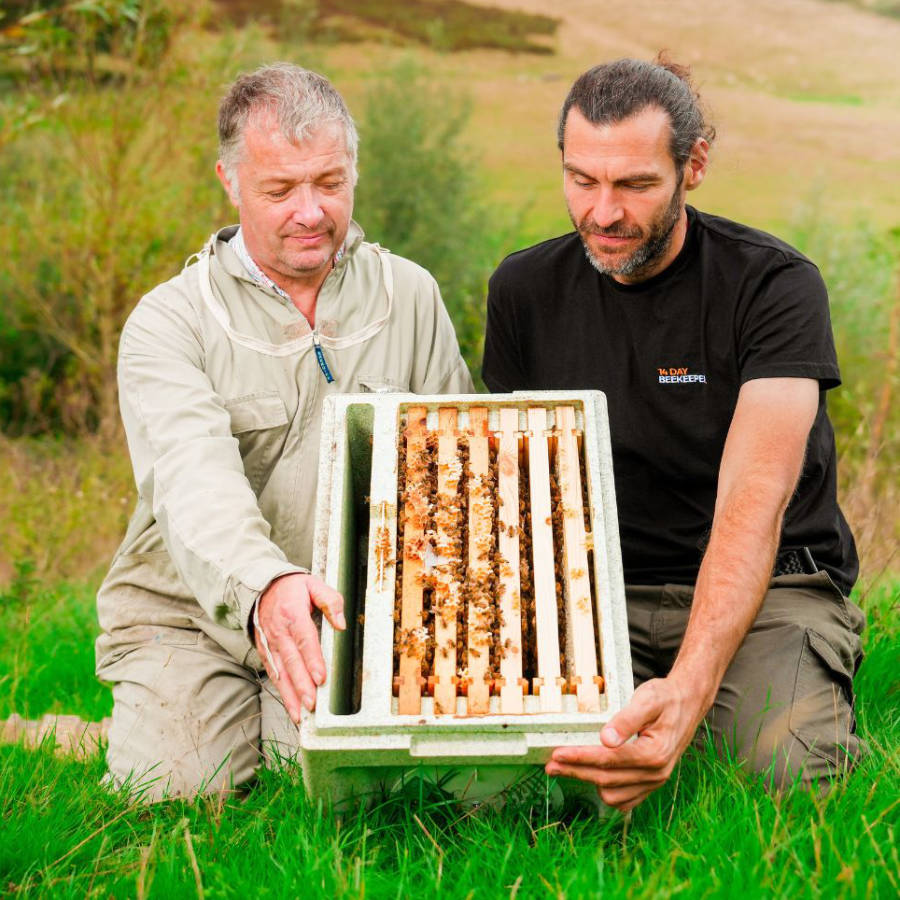
Scaling a beekeeping business takes more than a good honey crop
If your local shops are asking for honey, that’s really encouraging. I can understand why that makes you want to expand quickly. You’ve got people ready to buy it, your bees are doing well, and suddenly buying more hives seems like a sensible next step.
Let’s think about the numbers. Say you’ve got 120 jars and you can sell them for £10 each. That’s £1,200. Multiply that by 100 colonies and you can see why people get excited about starting a honey business.
But I don’t recommend that most people go out and do that. Those figures are an optimistic illustration for this example. They aren’t a forecast of what every hive will produce, and £1,200 in sales certainly doesn’t mean £1,200 in profit.
Every colony needs work. That labour can become the thing that limits you, and it’s one of the hardest parts to scale. You’ve still got to manage all those bees alongside everything else in your life.
I tried to do it around a full-time job. We finished early on Fridays, so I’d head out at about one o’clock and keep going until nine. I’d be hot, stressed and battling wasps, thinking that most people had finished work and gone to play golf.
Then there was the pressure from all the equipment I’d bought. I needed honey to put through it. That’s a horrible position to put yourself in when you started because you enjoyed keeping bees.
Before you get carried away with the hive numbers, try the work on a smaller scale. Get some honey into jars, sell it and see how you feel about doing the whole thing again. Give yourself a chance to find out what you actually enjoy.
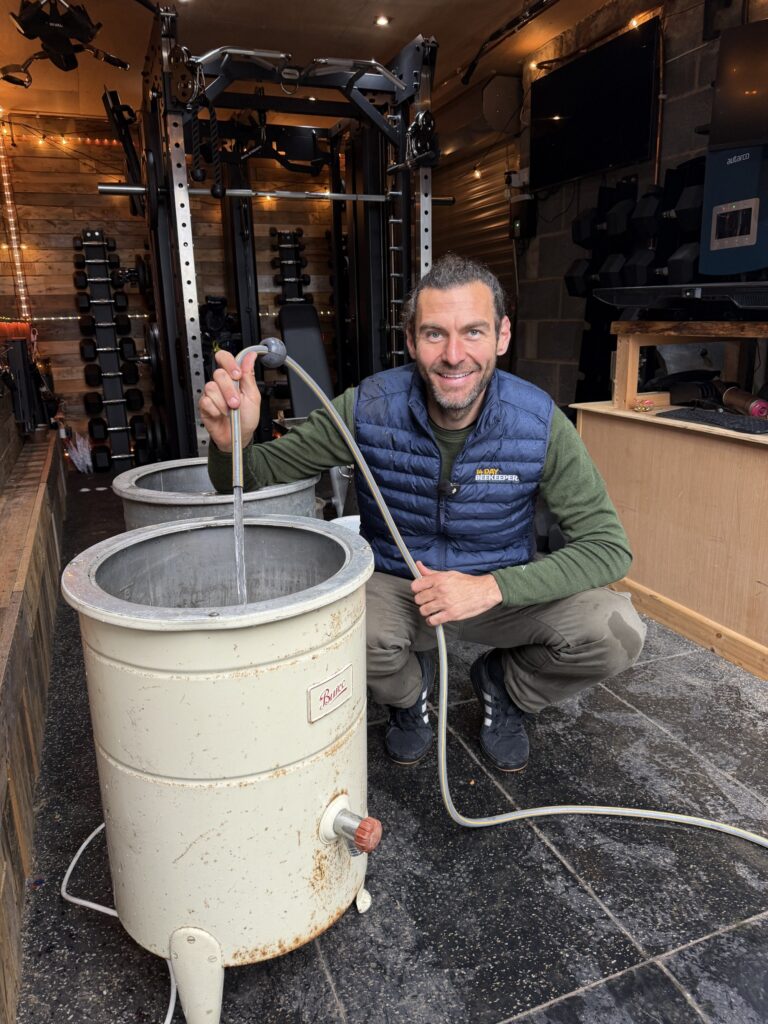
Buy extraction equipment once you know what you need
I know everyone wants their own extractor. I was exactly the same. You start looking at the bigger machines, then the uncapping equipment, and before long you’ve planned a complete honey room.
If you’ve only got one hive with a crop ready, borrowing an extractor could get you through that first harvest. You’ll learn a lot by getting the honey off and into jars, even if the setup is a bit awkward.
I bought a 30-frame extractor and an uncapping machine because I thought I’d need them for the business I was going to have. I spent the money before I’d tested it properly.
One beekeeper I work with manages around 500 production colonies. He uses two 20-frame extractors, a bread knife and a cappings melter. He fills one extractor while the other is running. You can do a lot with a fairly simple setup.
For someone planning to grow, I’d look at putting the money into one decent extractor, perhaps second-hand. A 12- or 20-frame machine would be worth considering for the sort of expansion we’re talking about. That doesn’t mean every beginner needs one.
You could also try pressing or crush-and-strain. The trade-off is that you lose your drawn comb, so you need to think about what that means for the following season. But you get wax as well as honey, which might suit the products you want to make.
A winter discount is useful if you’re buying something you need. It’s still money wasted if the equipment ends up sitting there unused. Do the work, then build your shopping list around the bits that would genuinely help.
Try your hive system before buying 100 boxes
I bought 100 14×12 brood boxes and ran them for about a year before realising they weren’t right for me. So if you’ve bought three and you’re already questioning the decision, you’ve caught it a lot earlier than I did.
My thinking was fairly simple. I didn’t want to inspect 22 frames in a double-brood setup when I could inspect 11 bigger ones. At the time, that sounded like an easier life.
What I hadn’t properly thought through was how I wanted to manage the bees through the whole season. I now prefer standard National brood boxes because I can use a second box in different ways as the season changes. That flexibility suits how I work.
There’s also the weight to consider if you’re thinking about putting another deep box on top. And if you want to sell nucleus colonies, think about the frames your customers use. A system that suits you needs to work for the people buying your bees too.
I’ve still got 14×12 boxes, and I still use some when I’m short of equipment. You don’t have to throw everything away because you’ve changed your mind.
But if you’re expanding an apiary, try the system before buying a hundred of them. Changing direction with three boxes is a much smaller job than changing direction with a shed full.
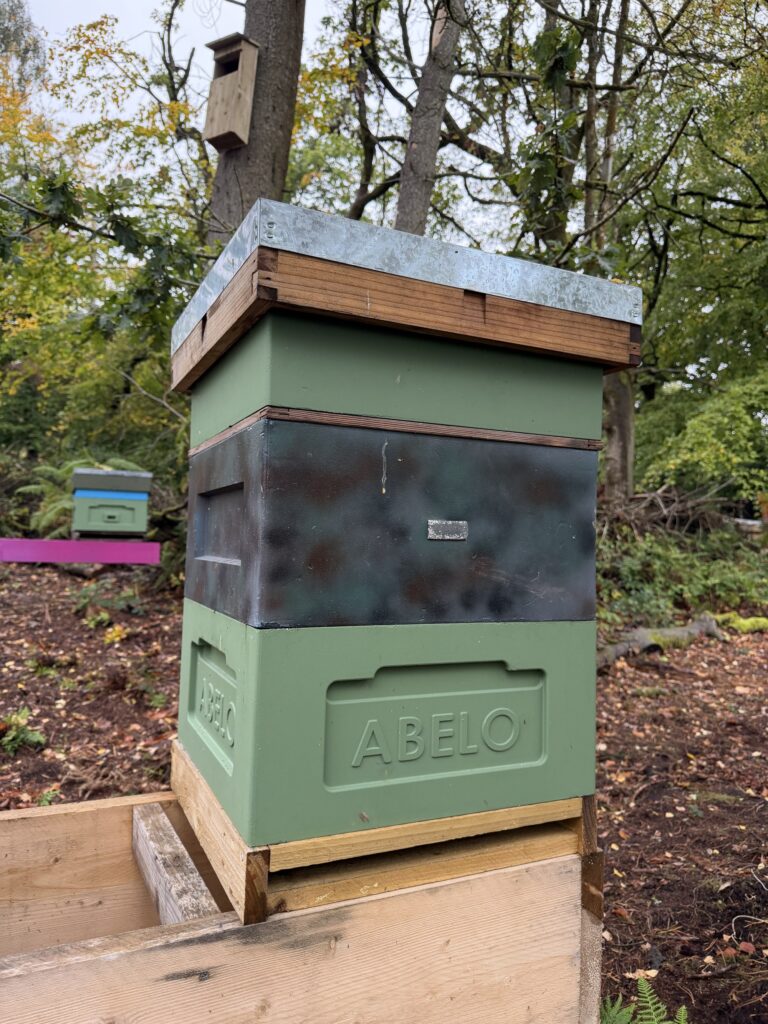
You might get more out of a small beekeeping experience
If you’ve already got a hotel with guests interested in your bees, I’d be looking very seriously at experiences. You’ve got people there, you’ve got somewhere to feed them, and you’ve got something they want to learn about.
You could let them have a go at extracting honey. Get a small press, let them get sticky and show them how the honey ends up in a jar. Then you can use the wax to make candles or explore other products.
Taking honey off slowly might be frustrating when you’ve got hundreds of supers to get through. With a small group of guests, that hands-on work could be the bit they enjoy most.
Even tasting honey from a single frame could be interesting. You don’t have to take an entire crop off to give people something worth talking about. You could bring in honey from other local beekeepers and let people taste the differences over lunch.
Honey for the kitchen, a few jars to sell and some honey gift sets could all fit around that kind of business. You’d need to try it and see what people actually want.
I’d also think carefully before giving the experience away and relying on product sales afterwards. You could end up with more demand for honey than your bees can supply. If people value the experience, there’s a case for charging for that experience.
A small apiary might give you enough to build something you enjoy alongside your existing work. You can test that before deciding whether you really want a semi-commercial beekeeping operation.
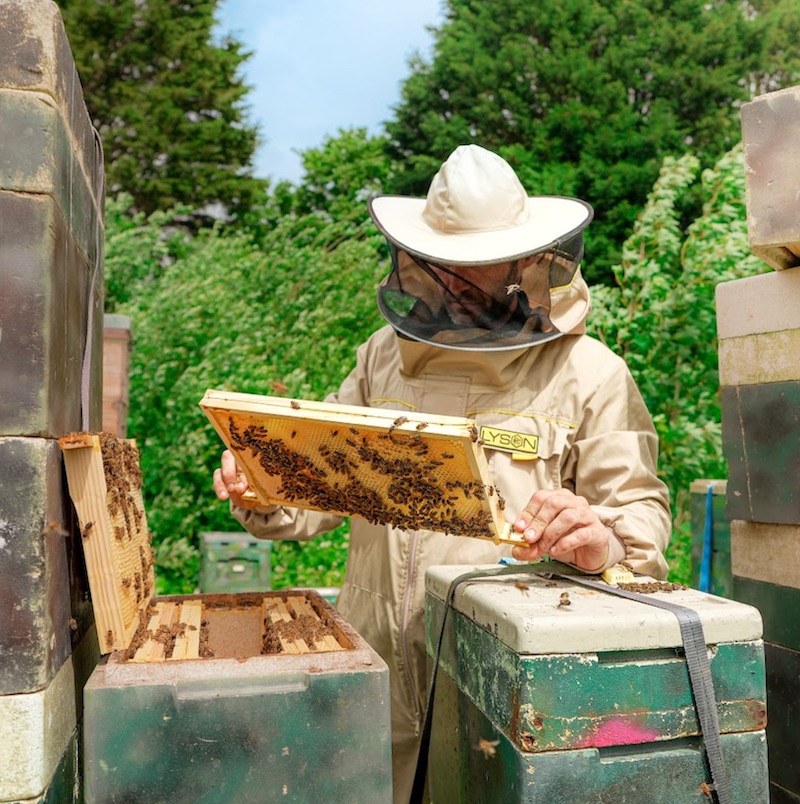
Keep the bees healthy before chasing another crop
My worst mistake came when I kept pushing for a heather crop into September. I had around 150 colonies, I hadn’t got the treatments and feeding done, and I was exhausted.
I brought them back to one central location so I could make syrup there and pump it into the feeders. I was thinking about making the work more efficient because I couldn’t keep up with everything spread across different apiaries.
Then I split more colonies and added queens. We lost 50% of them.
That really hurt. All that money, all that time away from my family, and half the bees were dead. I’d had a horrible time doing the work as well.
I needed to stop chasing the honey and get the bees healthy. That’s what now drives the way I approach the end of the season. If a colony has very little realistic chance of giving me a crop, I’d rather prepare it for winter than keep pushing it.
The conditions and the colony matter. You can’t take one good season and assume you’ll get the same result every year. You need enough time and knowledge to look after the bees you’ve already got, especially when things become difficult.
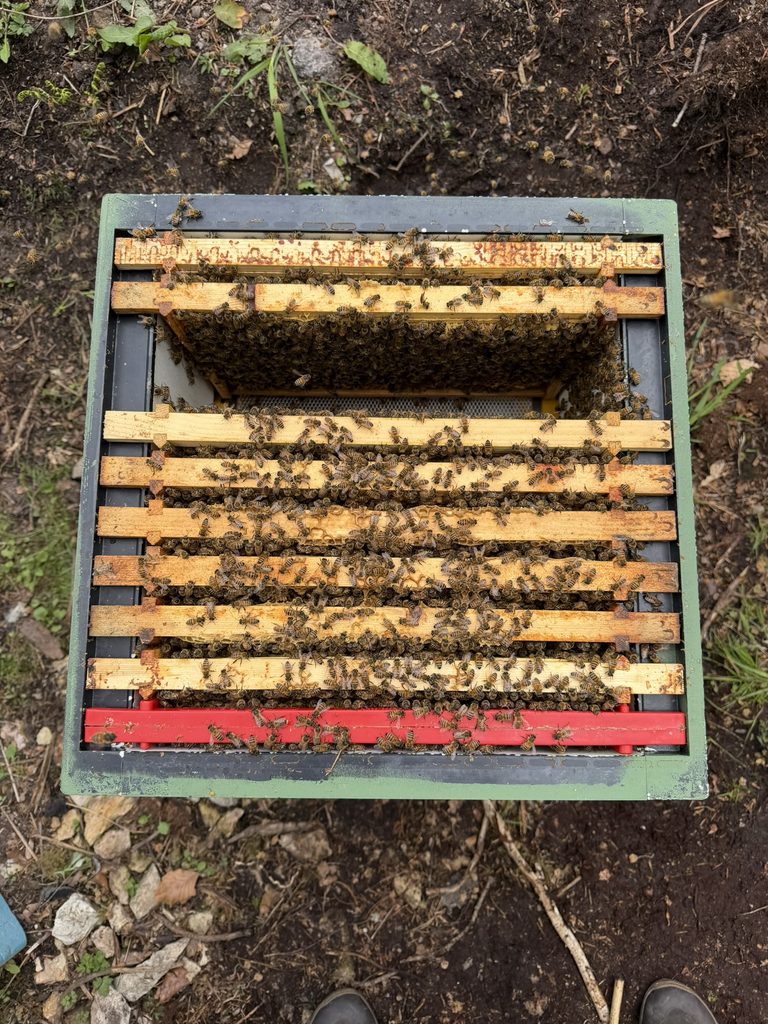
Give yourself time to find the business you enjoy
You can try selling honey, raising queens or nucs, making wax products or running experiences. Have a go at a manageable version before spending heavily on it. Find out whether you like doing it and whether people want to pay for it.
If you’re growing a beekeeping business around another job, be honest about the time you’ve got. Think about swarm season and the work at the end of summer, when everything can need attention together.
“Take it slowly. Build it organically in terms of your expenditure, but also your knowledge.”
That’s why I recommend building your knowledge through 14 Day Beekeeper before taking on more than you can manage. Scaling a beekeeping business is a lot easier to enjoy when you understand your bees and give yourself time to learn.