In this guide
Raw honey is barely processed honey, straight from the hive. Here’s what makes it different, why it crystallises, and which of our jars to buy.
- What raw honey actually means, in plain terms
- How raw honey differs from most supermarket jars
- Why crystallised honey is a good sign, not a fault
- The honest answer on whether raw honey is healthier
- Which of our raw honeys to reach for first
Raw honey defined
Raw honey is honey that’s been taken from the hive, strained, and then left more or less alone. It hasn’t been heated hard, and it hasn’t been filtered until it looks perfectly clear. That’s the whole idea.
The bees make it the same way regardless. They gather nectar, add their own enzymes, and fan out the water until it thickens into honey. Raw honey is simply honey that’s been kept close to that natural state. There’s nothing magic about the word itself. The difference is what people do to it once it leaves the hive.
Raw honey vs supermarket honey
A lot of honey on supermarket shelves has been through a fair bit before it reaches you. It’s often heated so it pours easily and bottles quickly. It’s fine filtered to strip out tiny bits of pollen and wax. And it’s frequently blended from several countries so that every jar tastes the same.
None of that makes it dangerous. It just means the honey has drifted away from its natural texture, flavour, and character.
Raw honey keeps the bits that heavy processing takes out. You’ll often find natural pollen, tiny flecks of wax, traces of propolis, and the enzymes the bees added while making it. Because it hasn’t been pushed to look uniform, it varies from jar to jar. Sometimes lighter, sometimes darker, sometimes clear, sometimes cloudy. That variation is the honey being honest with you.
Why raw honey crystallises, and why that’s a good sign
Here’s the thing that trips people up. Crystallised honey has not gone off. It’s still perfectly good honey. Raw honey often sets sooner than processed honey, because all those tiny natural particles give the crystals something to form around.
Different honeys set at different speeds, depending on the flowers the bees worked. Some go almost solid. Ivy honey sets like concrete. Others, like borage, stay runny for a very long time. If your jar turns thick and grainy in the cupboard, that’s normal. Stand it in a bowl of warm water and it loosens straight back up.
Is raw honey healthy?
Raw honey is closer to what actually comes out of the hive, and it’s less altered than heavily processed honey. That’s a fair reason to choose it, and it’s why a lot of people do.
But honey is still honey. It’s mostly sugar and very energy dense, so enjoy it with a bit of common sense.
One important safety note. Never give honey to a baby under 12 months old, raw or not, because of the risk of infant botulism. That applies to any honey, in any form.
How to spot proper raw honey
A few things are worth checking, on the label and in the jar:
- A clear origin, ideally local or from named beekeepers
- The word “raw” stated plainly, along with a note that it’s minimally filtered
- Honey that crystallises naturally over time
- Most of all, the taste. Proper raw honey tends to have a fuller, more interesting flavour, and you usually know it when you try it
Our raw honeys, and which one to pick
Everything we sell is raw, unfiltered, and traceable to the UK beekeepers who produced it. No heat treatment, no blending, no shortcuts. Here’s a quick steer to help you find your jar.
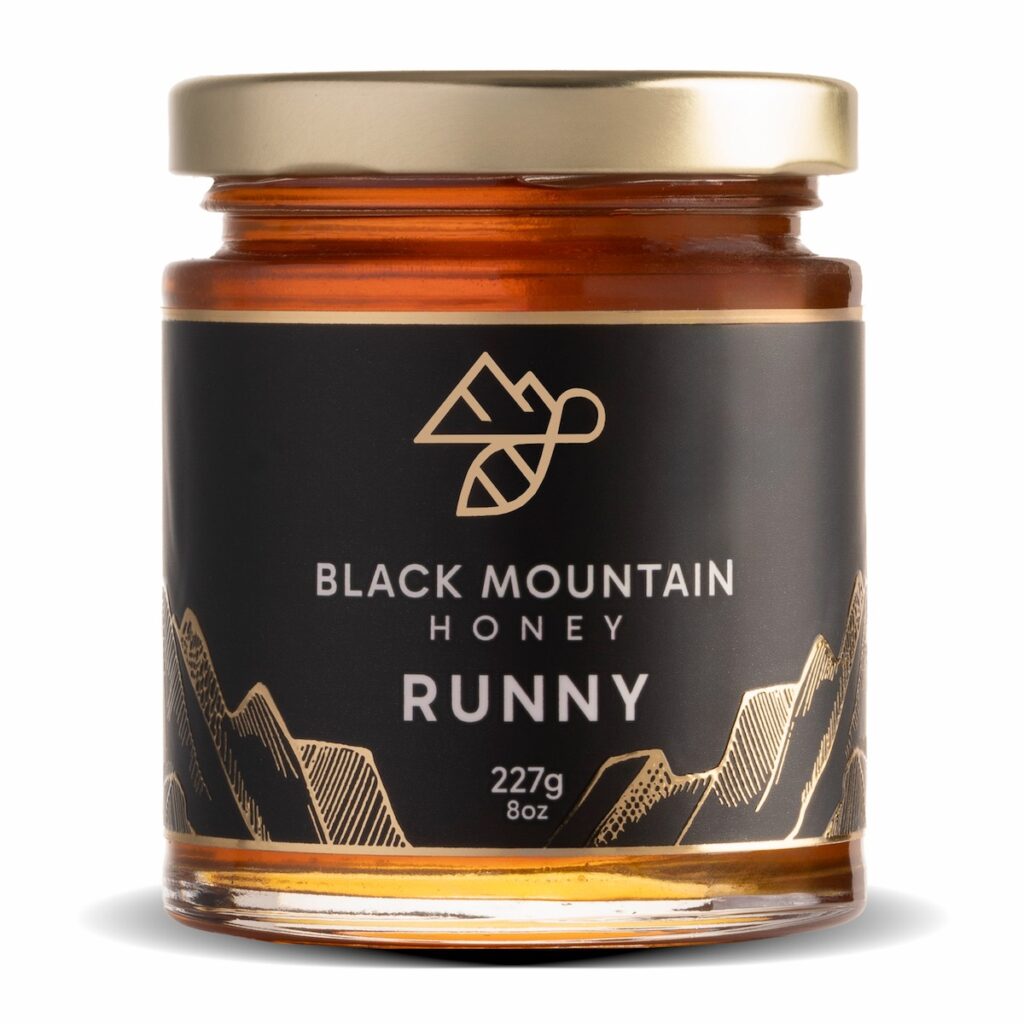
Wildflower Runny Honey
Our classic raw honey. Light, floral, and beautifully clear. This is wildflower honey in its purest form, straight from UK apiaries with nothing added or taken away. Pours easily and tastes exactly how honey should taste.
Best for: Tea, drizzling on toast, cooking, marinades, or eating straight from the jar.
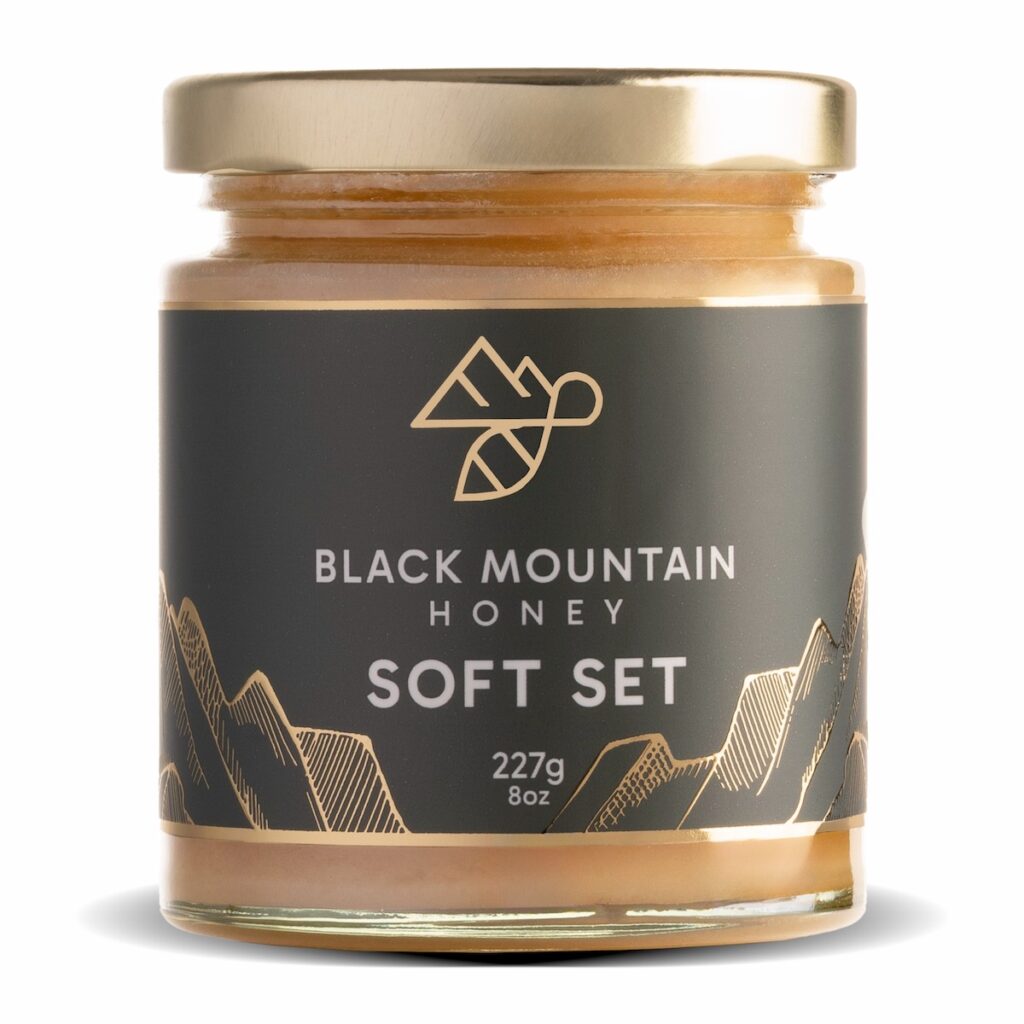
Soft Set Creamed Honey
Smooth, spreadable, with a buttery texture that makes it perfect on toast. Our creamed honey is gently churned to a silky consistency while staying 100% raw and unblended. Once you try it, you won’t go back to supermarket spreads.
Best for: Toast, crumpets, porridge, yoghurt, or baking.
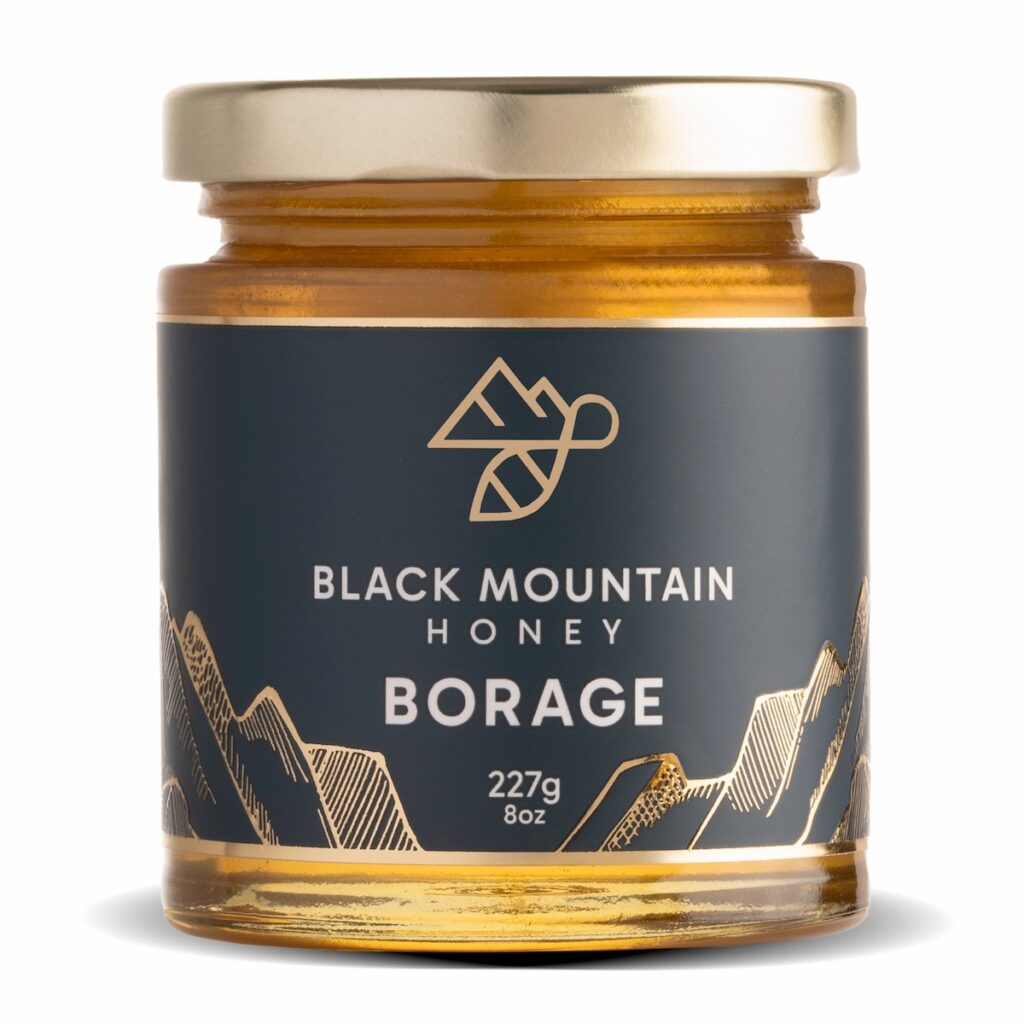
Borage Honey
Also known as starflower honey. Light in colour, delicate in flavour, with a subtle floral sweetness that sets it apart from wildflower blends. Borage honey has a clean, mild taste that works beautifully where you want honey flavour without overpowering the dish.
Best for: Delicate teas, light dressings, drizzling on fresh fruit, or anywhere you want a gentler honey.
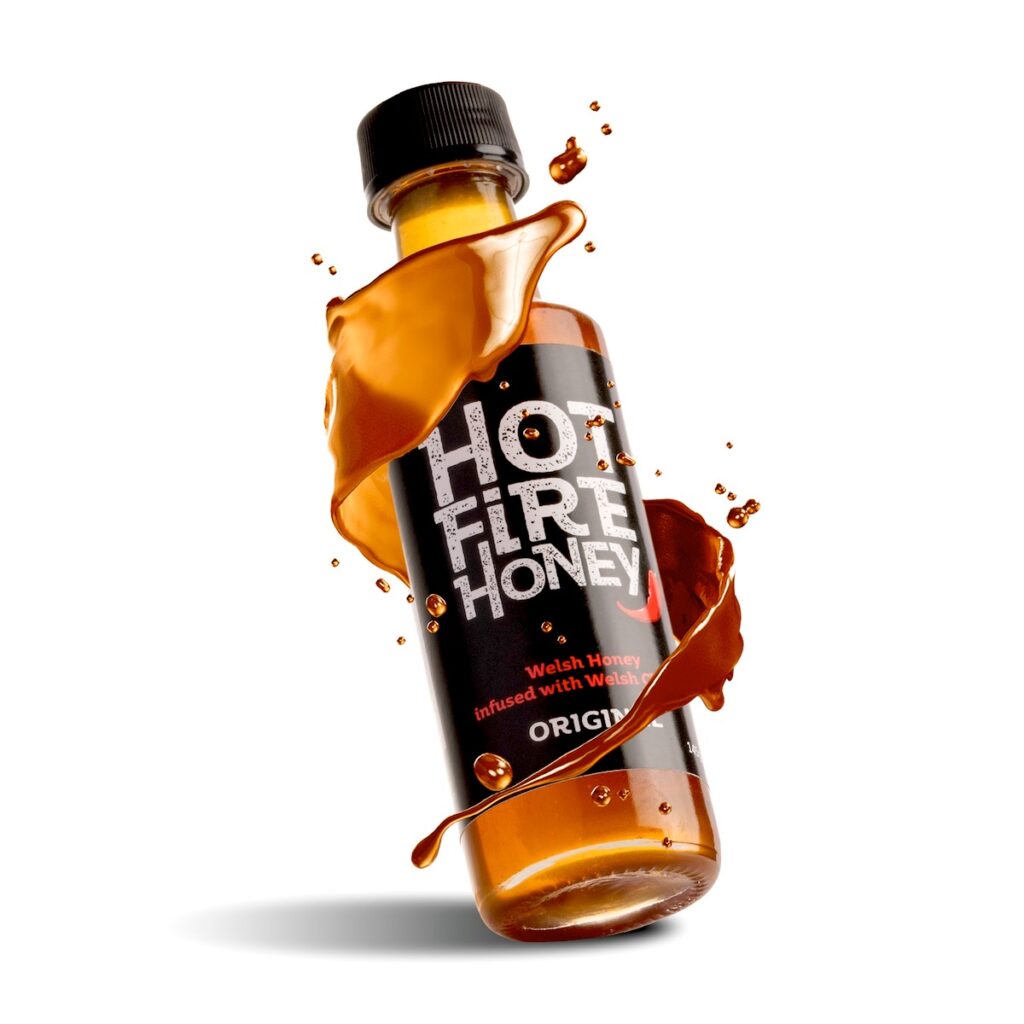
Hot Fire Honey
Raw UK wildflower honey blended with Welsh-grown chillies. Sweet first, then a slow, warming kick that builds without burning. As featured in The Guardian and on ITV’s Good Mood Food, where Ainsley Harriott said: “That is SO good! That lovely sweet chilli drizzle just gives it the perfect BANG.”
Best for: Drizzled on pizza, fried chicken, cheese boards, or halloumi.
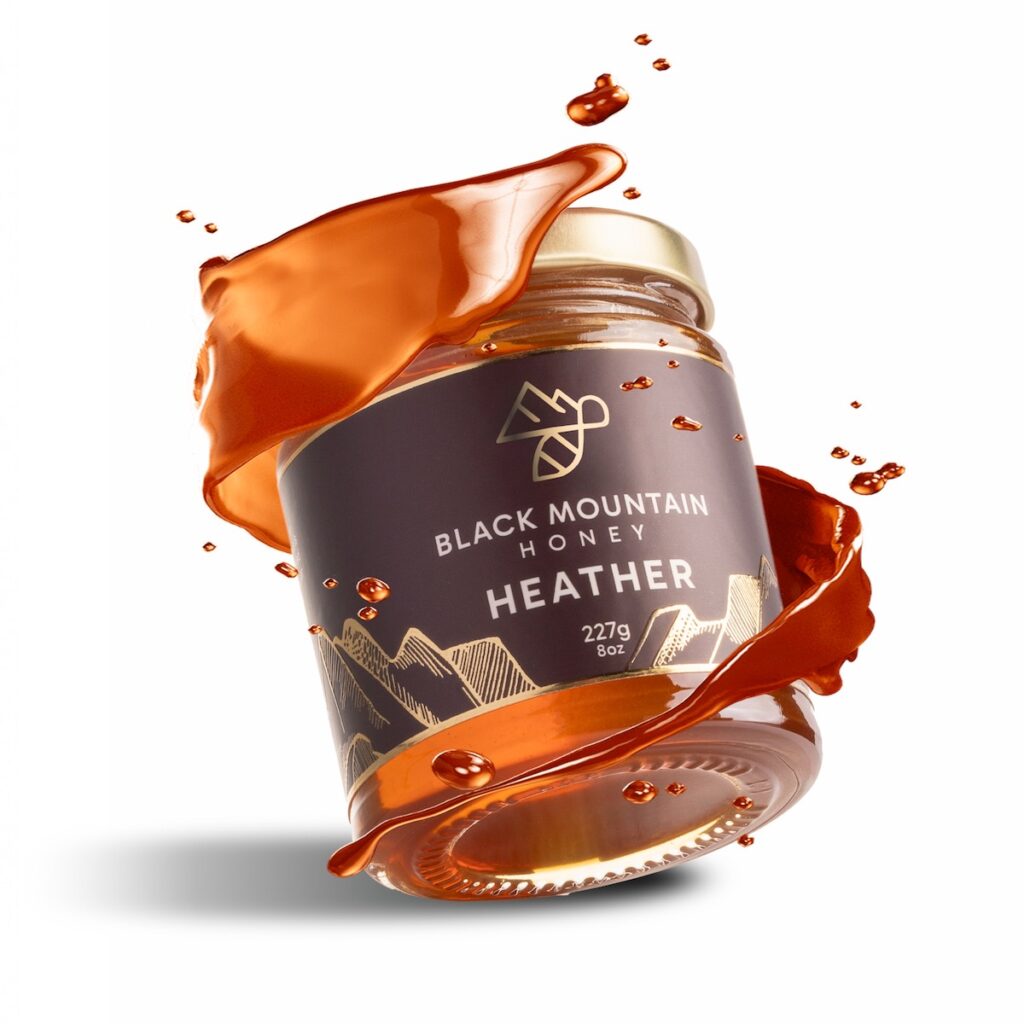
Welsh Ling Heather Honey
Harvested late summer from the Heather Moorland. Rich, intensely aromatic, with a slightly bitter, toffee-like finish. Only available in small batches while stocks last.
Best for: A special treat, gifts, or pairing with strong cheese.
Not sure where to start? The Wildflower Runny is the safe first choice, and most of our honeys come as a four-jar pack that works out cheaper per jar.
Curious about where your honey comes from?
Once you start tasting proper raw honey, it’s natural to wonder about the bees behind it. If that curiosity ever turns into wanting a hive of your own, our Courses course takes you from complete beginner to confident beekeeper, with us alongside you every step of the way.
Where to go next
Once you’ve tasted true raw honey, there’s no going back. Pick the jar that sounds like you from our raw honeys above, and taste the difference for yourself.