top of page

How To Make My Garden Bee Friendly

  • Dec 28, 2023
  • 4 min read
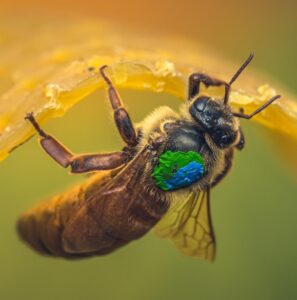
Bee on wildflower

Are you wondering how to make my garden bee friendly? In the intricate tapestry of nature, few creatures play a more crucial role than bees. As pollinators, they contribute to the reproduction of countless plant species, ensuring the biodiversity and abundance of our ecosystems. However, bee populations worldwide are facing unprecedented challenges, including habitat loss, pesticide exposure, and climate change.


Bee on wildflower

In this context, individuals can make a meaningful difference by transforming their gardens into havens for bees and pollinators. Creating a bee friendly garden, not only helps support pollinator species but also creates a beautiful, welcoming environment that will flourish with a variety of colours throughout the year.


Bee on wildflower

This blog post will delve into the importance of bees, the threats they face, and practical steps to make your garden a welcoming sanctuary for these vital pollinators.


Bee on wildflower

The Importance of Bees

Before discussing the specifics of creating a bee-friendly garden, it's essential to understand why bees are so crucial to our environment. Bees, both honeybees and native species, are prolific pollinators.


Bee on wildflower

They play a pivotal role in the reproductive cycle of flowering plants, facilitating the production of fruits, vegetables, and seeds. Approximately 75% of global food crops depend, to some extent, on pollinators like bees. Beyond agriculture, bees contribute to the health and diversity of natural ecosystems by supporting the growth of wildflowers and other plants.


Bee on wildflower

The Decline of Bee Populations

Despite their vital role, bee populations are facing alarming declines worldwide. Habitat loss due to urbanisation, agricultural expansion, and deforestation is a significant factor. Pesticide exposure, particularly neonicotinoids, has been linked to adverse effects on bee health, including impaired foraging and colony collapse.


Bee on wildflower

Climate change further exacerbates these challenges by altering flowering patterns and disrupting the delicate balance between plants and pollinators. To mitigate these threats, creating a wide variety of diverse, bee-friendly spaces is crucial to support the well-being of these essential insects.


Bee on wildflower

Designing a Bee-Friendly Garden


Choose Bee-Attractive Plants: Start by selecting a variety of plants that bees find attractive. Opt for a mix of native wildflowers, herbs, and flowering trees and shrubs. Native plants are especially beneficial, as they have evolved alongside local pollinators and provide a familiar and nutritious food source.


Bee on wildflower

Provide a Continuous Bloom: Aim for a garden that blooms throughout the growing season. Bees need a consistent supply of nectar and pollen, so choose plants with staggered flowering times. This ensures that bees have access to food from early spring to late fall.


Bee on wildflower

Opt for a Diversity of Flowers: Bees, like humans, appreciate diversity. Plant a wide range of flower shapes, sizes, and colours to attract a variety of bee species. Different bee species have varying tongue lengths and preferences, so a diverse garden caters to their specific needs.


Bee on wildflower

Choose Shrubs and Trees: Although flowers are the obvious choice for immediate impact, trees and shrubs will ultimately provide the largest positive impact to a wide variety of pollinator species. Choose native shrub species or fruits trees to provide a long term impact on pollinators in your garden.


Bee on wildflower

Limit or Eliminate Pesticide Use: Pesticides, even those labelled as bee-friendly, can have detrimental effects on pollinators. Opt for natural alternatives or integrated pest management strategies to control pests without harming bees. By creating a healthy, balanced ecosystem, your garden can naturally regulate pest populations.


Bee on wildflower

Provide Water Sources: Bees need water for hydration, especially during hot weather. Create shallow water sources, such as birdbaths or shallow dishes with stones for bees to land on while drinking. Keep the water clean and replenish it regularly.


Bee on wildflower

Create Bee-Friendly Habitats: Consider the nesting needs of native bees. Some bees nest in the ground, while others prefer hollow stems or cavities. Leave some areas of bare soil for ground-nesting bees, and incorporate bee hotels or bundles of hollow stems for cavity-nesting species.


Bee on wildflower

Avoid Hybridised Plants: While hybridised plants may offer certain aesthetic qualities, they may not be as appealing to bees. Many hybrid varieties lack the necessary nectar and pollen content that bees seek. Choose heirloom or non-hybridised plants whenever possible and look out for labels which show the plants are pollinator friendly.


Bee on wildflower

Educate and Advocate: Share your knowledge about the importance of bee-friendly gardening with friends, neighbours and community members. Advocate for policies that support pollinator-friendly practices in public spaces and urban planning.


Bee on wildflower

In the face of declining bee populations, every garden has the potential to become a sanctuary for these essential pollinators. By embracing bee-friendly gardening practices, individuals can contribute to the preservation of biodiversity, support local ecosystems, and ensure the continued abundance of our food supply.


Bee on wildflower

As stewards of the land, we hold the power to create harmonious spaces that benefit both humans and the invaluable pollinators that sustain life on Earth. Through conscious choices and thoughtful design, we can cultivate gardens that buzz with life and vitality, fostering a future where bees thrive alongside us.


Bee on wildflower

If you are interested in boosting the natural population of honey bees in your area and are considering buy a nucleus of bees, we produce calm, placid colonies of bees that are perfect for your back garden.


Buy British Bees - Overwintered WELSH Buckfast 6 Frame Nucleus Colonies
Buy Now


Comments


Mountains

Subscribe to our newsletter

Get latest offers, deals and news directly to your inbox!

Discover the Buzz - Our latest blog articles!

How To Scorch, Clean and Sterilise  Beehives
How To Scorch, Clean and Sterilise Beehives

Learn how to clean beehives effectively to keep your bees healthy. Discover step-by-step methods on how to clean beehives and protect your colonies.

How I Extract Honey From Honeycomb

Discover how to extract honey with ease using my methods at Black Mountain Honey. Learn how to extract honey efficiently and stress-free.

How To Make Natural Beeswax Firelighters From Old Brood Frames

Old brood frames and scrap beeswax can look like a horrible mess, but there is still a lot of value left in them. Once I have rendered out as much wax as I sensibly can, there is often a pile of darker, lower grade wax that I would never use for candles or cosmetics. Instead of throwing it away, I turn it into simple, natural firelighters. In this guide I will walk you through how I make beeswax firelighters using wood wool and recovered wax from old brood frames. This is not about fancy...

How To Render Beeswax Cappings Into Beeswax Blocks

Beeswax cappings are one of the nicest by products of extracting honey. They look and smell fantastic, they are usually much cleaner than old brood comb, and they give you some of the highest quality wax you will ever get from your bees. A lot of beekeepers scrape them off, let them pile up in a tub and never quite get around to dealing with them. That is a shame, because with a simple process you can turn those sticky cappings into clean wax blocks ready for candles, polishes or swapping in...

How I Time My Varroa Treatment Around A Cold Snap To Kill More Mites

Varroa is still the number one health threat to honey bees in the UK. You feel it in spring when colonies that looked fine in autumn come out weak, slow and virus ridden. One of the biggest improvements I have made in my own beekeeping is learning to time winter oxalic acid treatments around a natural brood break, instead of just picking a random date on the calendar. In this guide I will show you how I use the first proper cold snap as a trigger, apply a simple three week rule and then treat...

How I Light A Smoker Using My 3 Step Technique: Heat, Fuel And Cool

Discover how to light a smoker with ease using my 3-step technique: Heat, Fuel, and Cool. Master how to light a smoker confidently today!

Throwback Thursday: Eight Weeks After My Demaree Split

Explore the power of the Demaree Split in beekeeping! Discover how this method prevented swarming and boosted honey yield in just eight weeks.

Apimondia 2025 Copenhagen: Highlights, Innovations and the Road to Apimondia 2027 Dubai

Discover Apimondia 2025 highlights, innovations, and the path to Apimondia 2027 in Dubai. Join the global beekeeping community at Apimondia!

14 Day Beekeeper - Pre Launch

Join the 14 Day Beekeeper pre-launch and transform from novice to expert in just two weeks. Secure early access to 14 Day Beekeeper today!

Let’s Talk Bees – July 2025 Q&A Roundup

Let's Talk Bees - Episode 65 Everything You Asked, Answered - Let's Talk Bees Welcome to the July edition of Let's Talk Bees  – our...

Rescuing an Abandoned Beehive: A Step-by-Step Guide

Discover how to rescue an Abandoned Beehive with our step-by-step guide. Learn essential tips to rehabilitate an Abandoned Beehive safely.

Let's Talk Bees - Beekeeping Podcast - Episode 64

Catch up on all the buzz with Episode 62 of our beekeeping podcast. Join Laurence Edwards for a lively Q&A on beekeeping podcast insights.

bottom of page