How to Make Up Overwintered Nucs: A Step-by-Step Guide
- Laurence Edwards

- Jun 28, 2024
- 4 min read
How to Make Up Overwintered Nucs: A Step-by-Step Guide
Overwintering nucleus colonies (nucs) is a valuable practice for beekeepers looking to ensure strong and healthy colonies come spring. A nuc is a smaller, manageable colony with its own queen, and overwintering them can help maintain genetic diversity, increase colony numbers, and replace lost colonies.
Here’s a comprehensive guide on how to successfully make up overwintered nucs using the method from Richard at Black Mountain Honey.
Why Overwinter Nucs?
Insurance Policy: Overwintered nucs act as a backup in case of winter losses in your main colonies.
Genetic Diversity/Stability: Overwintered nucs help in maintaining and propagating desirable genetic traits
Sustainability: Overwintered nucs supports the beekeeper’s ability to sustainably increase colony numbers.

Steps to Make Up Overwintered Nucs
1. Timing and Preparation
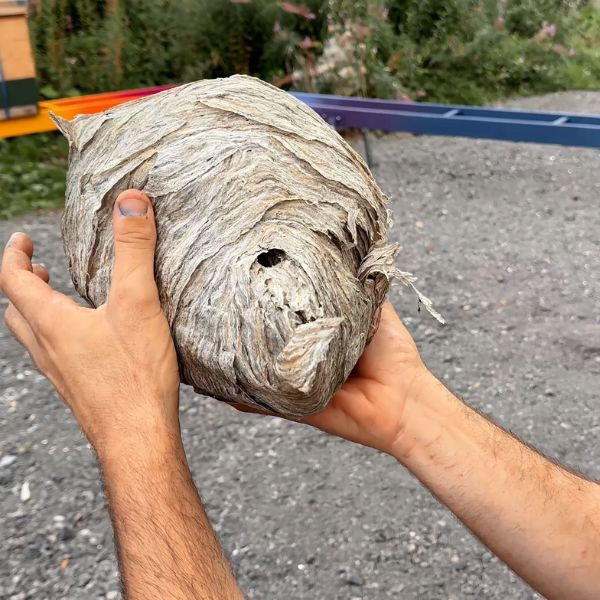
Best Time: Early summer is ideal for making up overwintered nucs. This timing ensures that the nuc has enough time to build up resources and strength before winter. Don't leave it too late as wasps, hornets and robbing bees become an issue for smaller colonies!
Equipment Needed for Overwintered Nucs
Nuc boxes (typically 5-6 frame capacity) - our favourite is the Abelo 6 frame poly nuc
Assembled frames of drawn comb or foundation
A mated queen - available HERE
Feeders and sugar syrup
Mite treatments
Hive stands

2. Selecting and Preparing Frames
Brood Frames: Choose 2-3 frames with healthy capped emerging worker brood. Avoid using frames with primarily drone brood as these will slow down the growth of the nuc.
Honey and Pollen: Include at least one frame of honey/pollen to provide essential food resources for the bees.
Drawn Comb: If possible, include a frame or two of drawn comb to give the bees a head start. If not available, complete the nuc with assembled frames with wax foundation.

3. Assembling the Nuc
Collect the Frames: Collect the frames of brood along with bees from a colony using this method. This method allows you to make splits from a colony without first finding the queen.
Place the Frames: Take the two frames of brood and one frame of stores along with ALL the bees that are on those frames and place into the nuc. Shake bees off another 1 or 2 frames directly into the nuc and close the lid.
Move the Bees: I find it much easier if you move the bees at this point to a new apiary over 3 miles away before continuing the process but you can also do this at the same apiary if you close them in for 24 hours, block the entrance loosely with grass and don't feed for 1 week.
Wait for Queen Cells: After 8 days the bees will produce emergency cells from the available larvae. On day 8 go back into the nuc and remove ALL of the emergency queen cells. Don't miss a single one or the queen introduction will fail. Shake the bees off the frames to ensure you get them all.

Introduce the Queen: If using a mated queen, introduce her using a queen cage and leave her in between two brood frames for 24 hrs before popping the tabs on the cage. After 24hrs, remove the tabs on the fondant cage and let the bees slowly eat their way through.

Checking for Eggs: After 7-14 days return to the nuc and you should find the new queen on the frame and you should also see eggs.
Feeding: Place a feeder with sugar syrup (2:1 ratio) to support the colony as they establish. This helps them build comb and store enough food for winter. Keep on trickle feeding as the bees require before giving a few final big feeds to get them up to weight for winter.
Treatment: No later than the middle of August in the UK but preferably around mid/end of July add in your mite treatments. The earlier the better! We use Apivar and it works really well if you use it early in your nucleus colonies.
Complete: Come the end of the season your overwintered nucs should be filling the brood box with bees, stores and brood and the box should feel VERY heavy for it's size. If it doesn't feel heavy, continue feeding until it does.

4. Managing the Overwintered Nucs
Regular Inspections: Initially, check the overwintered nuc every 7 days to ensure the queen is laying and the colony is growing. Look for signs of diseases or pests and address any issues promptly.
Feeding and Supplementing: Continue to feed the overwintered nuc as needed, especially if natural forage is scarce. Pollen patties can also be provided to boost protein intake.
Insulation and Protection: As winter approaches, insulate the overwintered nuc to protect it from cold temperatures. Use materials like foam board, straw, or special bee insulation wraps. If you are using a poly nuc, its already ventilated. Place a mouse guard on to the nuc around the end of September/early October.

5. Winter Care
Positioning: Place the overwintered nuc in a sheltered location, ideally facing south or southeast to maximise sun exposure. If possible, position it near a windbreak.
Check for Weight: Occasionally lift the nuc to check its weight. If it feels light, provide emergency feeding with fondant or candy boards.
Minimal Disturbance: During winter, avoid disturbing the colony. Only check them on warmer days if absolutely necessary and never remove any frames of bees!

6. Spring Management
Early Spring Checks: Once the weather starts to warm, perform a thorough inspection on the overwintered nuc. Check for queen activity, brood pattern, and food stores.
Expansion: If the overwintered nuc is strong, consider transferring it to a full-sized hive. This should be done gradually, allowing the bees to expand into the new space at their own pace.
Supplemental Feeding: Continue to provide sugar syrup and pollen patties if natural forage is still limited.

Conclusion
Overwintering nucs can be a rewarding endeavour, providing numerous benefits to your apiary. By following these steps and paying close attention to the needs of your nucs, you can ensure they emerge from winter strong and ready to thrive. Happy beekeeping!
If you need top quality mated queen bees for your overwintered nucs, we have weekly deliveries throughout the season!
If you are starting out in beekeeping and don't have available bees to make your own overwintered nucs, you can buy them direct from Black Mountain Honey on the links below:






Speaking of managing tricky setups, this process reminded me of when I was trying to figure out a temperature issue with my new fridge last month to keep my honey from crystallizing. I ended up needing to call Hisense customer service phone number for my kitchen appliance, and honestly, having a knowledgeable person walk me through the settings was a lifesaver. Just like with the bees, sometimes a little expert guidance makes all the difference when you're troubleshooting something specific.